- TECHSWU
- Posts
- BlackVoter.Org
BlackVoter.Org

TECHSWU
January 20, 2026


In the evolving landscape of law, the rise of artificial intelligence (AI) poses both opportunities and challenges for legal professionals. While AI can streamline document drafting and improve efficiency, its reliability raises concerns.
Many lawyers are tempted to rely on AI for briefs and contracts, but the risk of "hallucinations"—fabricated citations presented as legitimate—can lead to severe repercussions in court. A growing list of over 750 documented cases indicates that judges are increasingly scrutinizing AI-generated content.
Some legal practitioners see potential in AI, yet attorneys must ensure independent verification to uphold ethical standards. Clients are encouraged to inquire about who is crafting their legal documents, weighing the value of services rendered by human professionals versus machines.
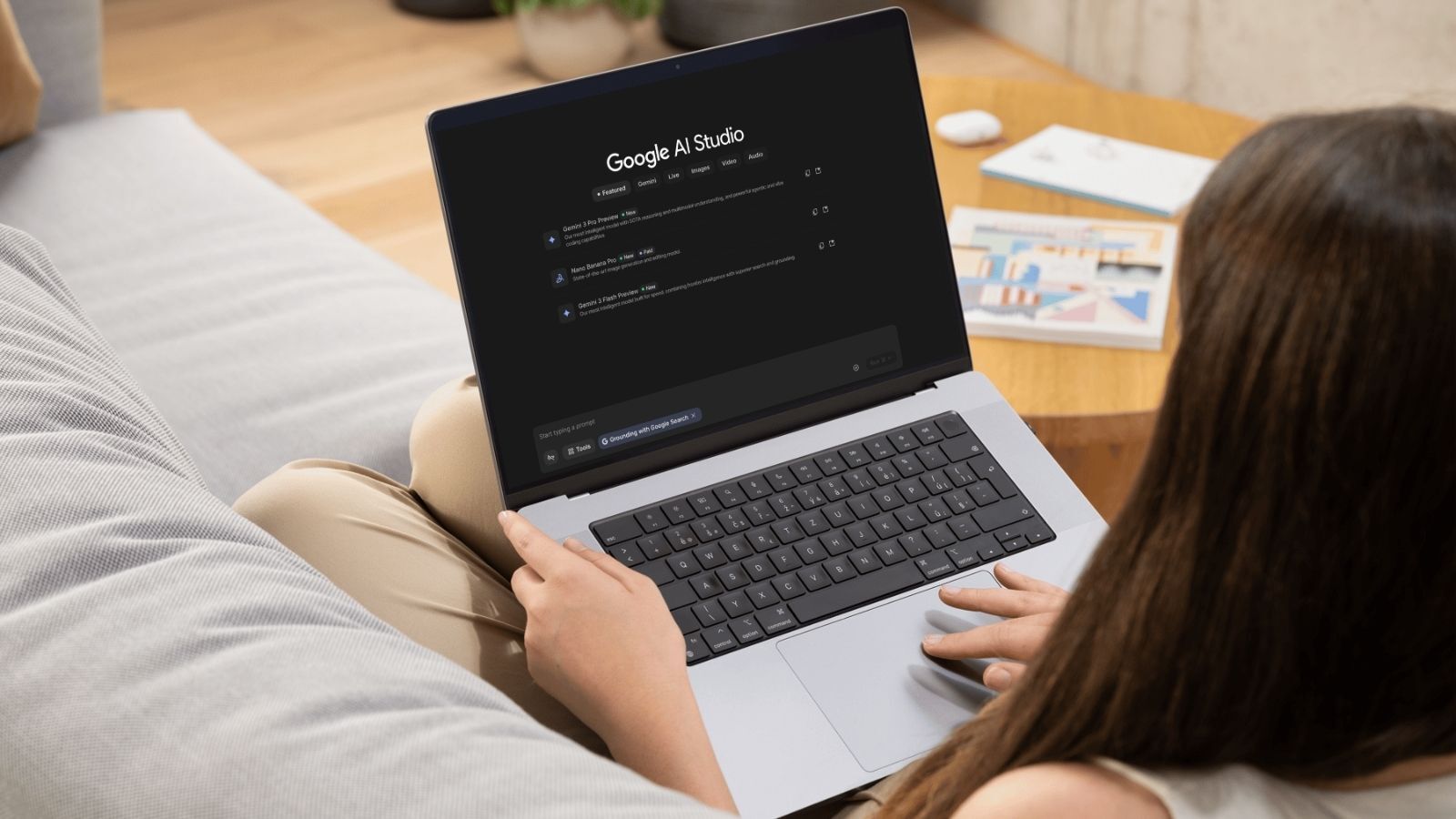
Discover the power of Google’s seven free AI tools that rival paid alternatives, catering to creators, educators, and small businesses! From transforming your research into eye-catching explainer videos with NotebookLM to crafting functional web apps with Google AI Studio Build, these resources make professional-quality content accessible to all without breaking the bank. Create dynamic presentations effortlessly with Gemini Canvas, generate on-brand social media campaigns using Pomelli, and design stunning images with Imagen 4.
Plus, produce lifelike audio dialogues with the multi-speaker feature on AI Studio. These revolutionary tools harness Google’s innovative technology, empowering you to develop outstanding content and streamline your workflow—all for free! However, keep in mind some limitations and evolving features, as many tools are still in beta.


Get ready for a tech revolution! OpenAI has officially announced its highly anticipated AI device is set to debut in the latter half of 2026. Speaking at Axios House Davos, OpenAI's policy chief Chris Lehane revealed that they're collaborating with industry legend Jony Ive to bring this "secret" hardware to life.
While specific details remain under wraps, whispers suggest that it could be a simple, wearable gadget controlled mostly by voice, making it a departure from traditional mobile tech. Excitingly, the design team just expanded by welcoming former Apple engineer Janum Trivedi, known for his groundbreaking work on iPadOS.

Meta is taking a bold turn away from its ambitious metaverse projects amid mounting financial losses and disappointing consumer interest. The company has announced the layoff of 1,500 employees and the closure of several VR game studios, signaling a strategic shift towards AI-powered smart glasses and wearables.
This pivot is underscored by a newfound focus on Ray-Ban Meta AI glasses, with planned production ramping up from 20 million to 30 million units annually. Analysts suggest that consumer appetite for AI technologies is more promising compared to the sluggish response to VR platforms like Horizon Worlds.
While this retreat highlights the challenges Meta faced in its metaverse journey, it also reflects a broader industry trend—consolidating investment into technologies that offer immediate market viability. As Meta navigates this new direction, the implications for both the company and the tech landscape emphasize the necessity for adaptability in a rapidly evolving digital world.

Get ready for a smart home revolution in 2026! Innovations in technology are set to make your gadgets more intuitive, stylish, and interconnected. Say goodbye to frustrating connectivity issues—new smart locks like the Aqara U400 will use Apple’s U1 ultra-wideband technology for seamless entry just by approaching your door! Upgrading to Wi-Fi 6 or 7 routers will ensure all your devices operate smoothly, while AI-driven solutions from UGreen promise massive storage capabilities, securely managing data from your cameras and sensors.
Plus, Apple is gearing up to launch the HomePad, combining the best of HomePod and iPad into a centralized smart hub.
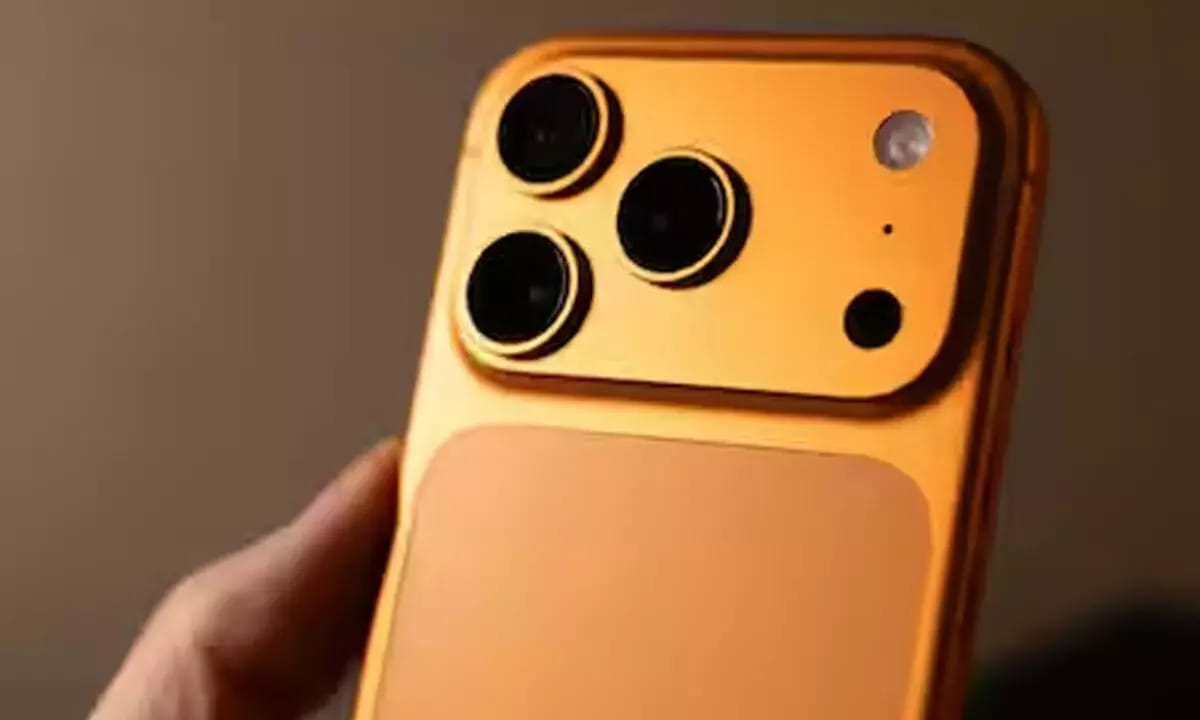
Exciting leaks about the iPhone 18 are making waves, promising a significant upgrade in both display and performance! Reports suggest that the iPhone 18 Pro models may feature cutting-edge LTPO Plus AMOLED displays, enhancing power efficiency and offering stunning visuals. Meanwhile, the standard iPhone 18 is expected to receive a RAM boost to 12GB, aligning it closer to its premium counterparts and supporting a powerful A20 chipset for superior multitasking and AI capabilities.
A fresh design with a punch-hole cutout is rumored, potentially paving the way for Apple's long-anticipated bezel-less iPhone. In terms of colors, fans can expect bold new shades like Purple and Burgundy for the Pro versions.
With a phased launch strategy, the Pro models are set to debut this September, while the base iPhone 18 and Air follow early next year.

The Xiaomi Mijia Smart Audio Glasses blend style with functionality, making them an excellent choice for professionals and commuters. While they don't aim to impress audiophiles—limited bass and sound immersion keep them firmly as lifestyle wearables—they shine in communication and convenience.
With a sleek design resembling regular eyewear, these glasses feature high-quality microphones for crystal-clear calls and video meetings, even in noisy environments. Thanks to practical HD polarized lenses, they reduce glare and block UV rays, enhancing outdoor visibility.
The glasses offer smart features like dual-device connectivity and customizable gesture controls via the Xiaomi app, making multitasking effortless. Despite minor drawbacks like scratch-prone lenses and limited audio depth, they provide impressive battery life and fit comfortably for extended wear.
Priced competitively from PHP 10,999, the Mijia Smart Audio Glasses are perfect for those seeking a discreet way to stay connected throughout their day.