- TECHSWU
- Posts
- TechSwu
TechSwu

TECHSWU
March 31, 2026


Bank Negara Malaysia (BNM) is taking a proactive and positive step to support consumers by establishing the Consumer Credit Commission. This new body will regulate and supervise the rapidly growing buy now, pay later (BNPL) sector, ensuring that consumers are protected amid rising debt levels.
While the current outstanding BNPL debt is manageable at 0.3% of total household debt, the increase in transactions and active users indicates a need for oversight.
By bringing these non-bank credit providers under a formal framework, the commission aims to strengthen consumer protection and promote responsible borrowing. This development is a great move towards a more secure financial landscape, fostering confidence among consumers as they engage in BNPL services.

Exciting developments are on the horizon for motorcycle safety! Starting in 2026, a revolutionary crash detection technology called Quin will be integrated into various helmet designs. This incredible innovation measures over 5,000 data points every second, providing critical information in the event of an accident.
With a Quin Pod nestled inside the helmet, emergency contacts and services can be alerted within moments of a crash, ensuring swift assistance when every second counts. Inspired by a personal experience, Quin's founder, Ani Surabhi, aims to enhance safety for riders everywhere, including in diverse global markets.
The best part? Basic accident alert services are free for life, making this groundbreaking technology accessible to all! With Quin helmets, motorcyclists can ride with renewed confidence, knowing that they are equipped with advanced safety measures.


Mars Men, an innovative technology startup based in Austin, has successfully secured $27.5 million in Series A funding, led by global private equity firm L Catterton.
This exciting milestone will supercharge the development of Mars Men's groundbreaking solutions, focusing on renewable energy, sustainable transportation, and space exploration. The enthusiasm from investors highlights the growing interest in transformative tech companies that tackle critical global challenges.
CEO John Doe expressed excitement about this new growth phase, noting L Catterton’s invaluable expertise. With these new resources, Mars Men plans to expand its research and development efforts, as well as enhance sales and marketing initiatives to reach a broader audience.
This funding not only propels Mars Men forward but also signifies a strong commitment to innovation in addressing pressing industry needs.

Artificial Intelligence is revolutionizing the work-life balance for women in tech, with a staggering 85% reporting time savings thanks to automation of routine tasks. As AI increasingly streamlines workflows, women are reclaiming valuable hours, allowing them to focus on professional development, wellness, and personal interests.
This shift not only eases the traditional double burden but also empowers women to pursue strategic roles in their careers. The positive impact is evident, with 64% stating AI has accelerated their journey to leadership positions.
Women are reshaping their careers to align productivity with personal growth, emphasizing a balanced approach to success. While challenges like gender biases in AI remain, the overall narrative highlights a transformative cultural shift.
With AI as an ally, women are redefining what it means to thrive in their professional lives, turning obstacles into opportunities for growth and fulfillment. The future looks bright, promising a more equitable and empowered workplace for all.
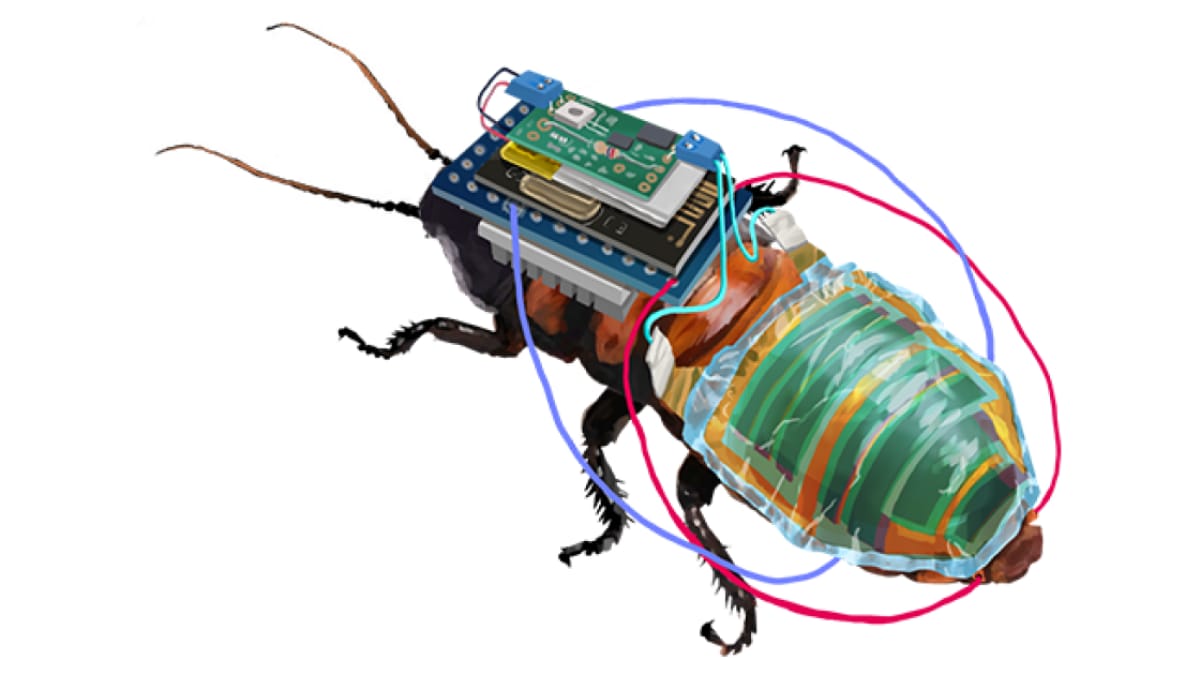
Researchers at RIKEN Institute in Japan have developed an innovative and exciting technology: a rechargeable, remote-controlled cyborg cockroach! This groundbreaking advancement combines biological and robotic elements, aiming to assist in search-and-rescue missions and environmental monitoring. The project involves attaching a lightweight backpack equipped with solar cells to live Madagascar cockroaches, allowing scientists to control their movements without hindering their natural behavior.
Impressively, the cockroaches can be directed to turn left or right for about 30 minutes, demonstrating significant potential. Looking ahead, RIKEN's lead researcher, Kenjiro Fukuda, envisions adapting this technology to other insects, such as beetles and cicadas.

Philadelphia Courts are taking a proactive step towards enhancing privacy and security by banning smart eyeglasses with recording capabilities, including those made by Meta. Set to take effect on March 30, 2026, this new rule aims to protect the integrity of legal proceedings, ensuring confidentiality for all participants in the courtroom.
While the ban responds to growing concerns about technology's impact on privacy, it reflects a commitment to safeguarding the judicial process. As the legal system adapts to innovative technologies, this decision represents a balance between embracing advancements and maintaining essential privacy protections.
It’s a positive move for justice where witness and juror intimidation is mitigated, encouraging a safe environment for everyone involved. By prioritizing privacy, the Philadelphia Courts are setting a strong example for other institutions as we navigate the complexities of modern technology.

A recent Quinnipiac University poll reveals that while the use of AI among Americans is rising, concerns about its impact are also increasing. A notable 51% have utilized AI for research and various tasks, reflecting a growing acceptance of the technology.
However, a striking 70% believe that AI may lead to job losses, particularly among younger generations like Gen Z, who express the most pessimism regarding AI in the workforce. Despite these worries, many respondents also seek a balanced approach, favoring a combination of human and AI input, especially in critical areas such as healthcare.
While trust in AI remains low—only 21% feel it can be reliably trusted—the dialogue surrounding AI's role in our lives continues to evolve. This indicates an opportunity for positive change; addressing concerns with transparency and education can pave the way for a more optimistic future with AI as a beneficial tool in our society.