- TECHSWU
- Posts
- TechSwu
TechSwu

TECHSWU
February 06, 2026


Deepinder Goyal, the visionary behind Zomato, has launched an innovative device called Temple, aimed at real-time monitoring of brain blood flow—an essential marker of neurological health. As his new venture, Eternal, expands beyond food-tech, Temple signifies a bold leap into health-tech.
This lightweight, wearable device promises continuous insights into cognitive functions like memory, focus, and stress, potentially benefiting everyone from students to clinicians. Goyal's journey towards creating Temple stemmed from his personal quest for health optimization, exploring methods like fasting and meditation.
The device, which may integrate with a mobile dashboard, is still in development with no confirmed launch date yet. With excitement building around Temple, Goyal’s foray into the intersection of neuroscience and consumer technology positions him as a pioneer in addressing mental wellness and health monitoring.

OpenAI has unveiled OpenAI Frontier, an innovative platform aimed at empowering enterprises to effectively build and manage AI agents. This end-to-end solution prioritizes agent management as a crucial element for successful AI integration in the workplace, allowing companies to customize AI interactions and tasks tailored to their specific needs.
Frontier supports programming AI agents to connect with a variety of external data and applications, embodying a management style akin to overseeing human employees, complete with onboarding and continuous feedback for improvement. With early adopters like HP, Oracle, and Uber, this new endeavor signifies OpenAI's commitment to enterprise adoption as a top priority for 2026.
As competition heats up in the agent-management space—with players like Salesforce and LangChain—OpenAI's Frontier positions itself as a game-changer in the evolution of enterprise AI tools.
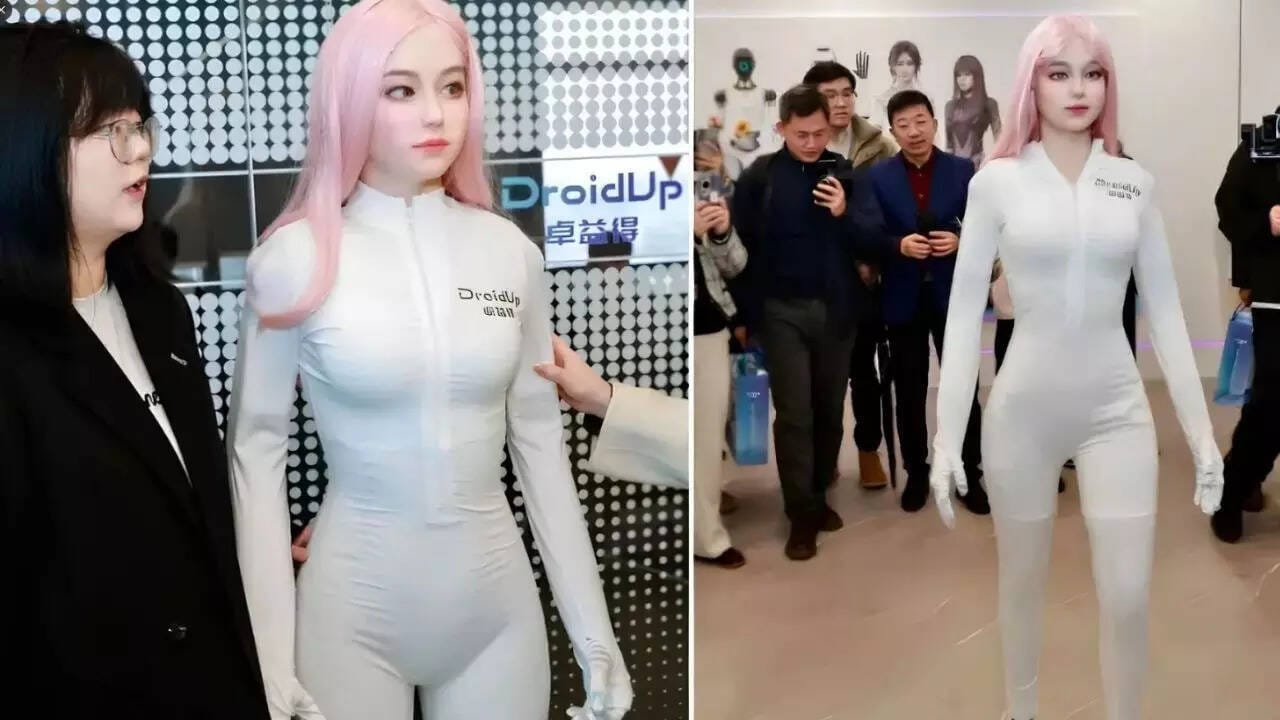
Meet Moya, the world’s first fully biomimetic AI robot, aiming to bridge the gap between technology and humanity! Created by a Chinese startup, Moya boasts warm skin and human-like reactions, designed to foster emotional connections in roles like healthcare and education. While her movements might be a bit stiff and her almost-plastic sheen evokes uncanny feelings, Moya is geared to charm her way into sectors such as train stations and museums.
With a warm body temperature and the ability to express emotions through “micro expressions,” Moya isn’t just a lab experiment; she’s a glimpse into the future! As her debut approaches in late 2026 with a price tag of around £127,000, social media buzzes with reactions—jokes about AI marriages and “creepy” encounters.

At Inman Connect New York, the future of real estate was illuminated through the lens of artificial intelligence (AI). In 2026, three critical transformations are set to reshape the industry.
First, “agentic” AI is emerging as a game-changer, acting as a digital assistant that can autonomously execute multi-step tasks, freeing real estate agents from the drudgery of repetitive work. Second, while AI promises efficiency, it also introduces new risks like data security concerns and the threat of sophisticated fraud through deepfakes.
Finally, proptech vendors are racing to create comprehensive AI-driven ecosystems, centralizing workflows for improved performance. As the landscape evolves, the key takeaway for agents is clear: adapt to AI's advancements now, or risk being left behind in a rapidly changing market.
Embracing these technologies smartly and strategically could redefine success in real estate.

Samsung's latest audio innovation, Slac, is breaking barriers between technology and style by transforming wearable audio into stunning jewelry. Designed with a Gen Z mindset, this concept reimagines earbuds as chic accessories with an open hoop ear ring that allows for ambient awareness without compromising sound quality.
The accompanying wrist component not only tracks listening data but also stylishly stores the ear ring, eliminating the need for typical cases. The intuitive gesture control lets users easily switch between focus and environment modes, enhancing music experience in real time.
With an aesthetic that boldly embraces elegance, Slac is set to redefine personal audio, making tech an integral part of your style. While this concept may not hit the market soon, its potential to blend fashion with functionality highlights a promising shift in wearable technology design.
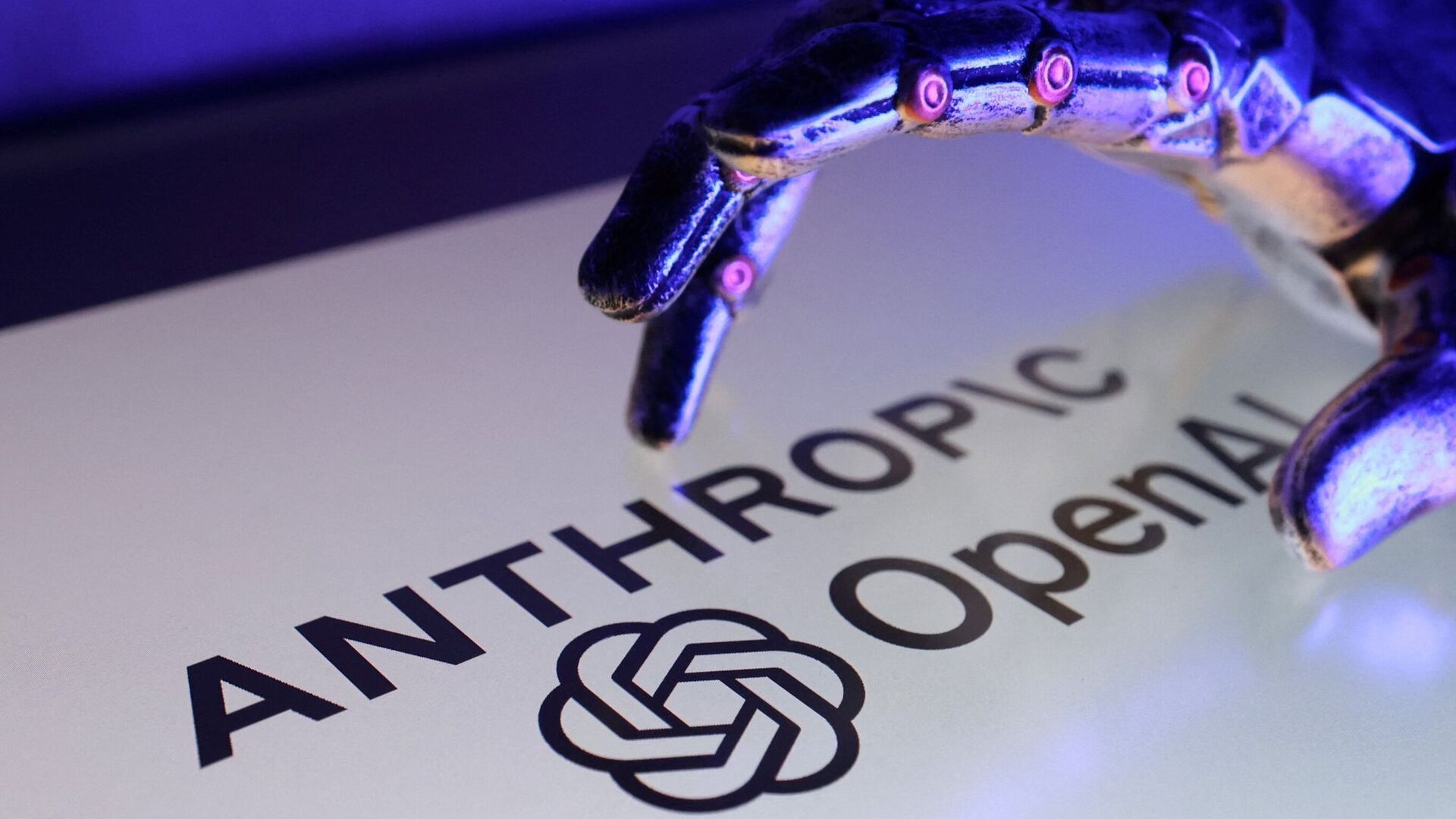
Anthropic's latest AI model, Claude Opus 4.6, has sent ripples through the legal sector, alarming firms like Thomson Reuters and RELX, whose stocks plummeted following the announcement.
The new plug-in was purportedly designed for legal analysis and knowledge work, promising abilities that could significantly streamline tasks in applications like Excel and PowerPoint. This sudden shift has sparked fears that the market is in "seek and destroy mode," hunting for "losers" as AI continues to evolve.
Despite Anthropic's insistence that their model isn't a direct threat to specialized legal tools, analysts view this update as a potential sign that the AI bubble may soon burst, leaving only a handful of winners in its wake.

Federal immigration agents are ramping up street-level surveillance using facial recognition technology to track both targets and innocent bystanders, raising serious concerns about privacy and civil liberties. Armed with smartphones and professional cameras, agents have reportedly scanned faces in cities like Minneapolis and Chicago, sometimes without consent.
This alarming tactic has incited outrage among lawmakers, civil rights activists, and ordinary citizens who fear it represents an unprecedented escalation of government surveillance. Critics argue that these actions not only violate Fourth Amendment rights but also serve as intimidation against dissenters and activists.
Despite facing growing scrutiny, the Department of Homeland Security maintains that its practices are lawful. New legislation aimed at banning the use of facial recognition by immigration enforcement is in the works, reflecting a bipartisan concern about the implications of such invasive surveillance on personal freedoms.
The ongoing debate underscores the tension between national security and individual rights in an era of expanding technology.

Tesla is making waves by deciding to drop its iconic Model S and Model X from its inventory. While these vehicles served as the company's flagship models, they have seen declining sales in recent years, overshadowed by the popularity of the Model 3 and Model Y.
This strategic shift is part of Tesla’s move to streamline operations and refocus on future innovations, particularly the highly anticipated Optimus robot, which CEO Elon Musk describes as the company's trajectory toward a new frontier. Current Model S and X owners will continue to receive support, leaving the door open for a potential comeback in the future.
As the last orders for these models are set to roll out by Q2 of this year, fans and enthusiasts alike will be watching closely to see how Tesla evolves in a rapidly changing automotive landscape.