- TECHSWU
- Posts
- TechSwu
TechSwu

TECHSWU
January 06, 2026


In 2026, artists can elevate their productivity with nine essential non-generative AI tools designed to streamline tasks and enhance creativity without compromising authenticity. These unique applications focus on the mundane aspects of music-making, freeing musicians to concentrate on their art.
From StrmMusic, which offers smart release strategies and playlist insights, to Moises, a revolutionary practice tool that separates stems, these innovations help musicians work smarter. Samplette.
io and Waves Cosmos streamline sample discovery and organization, while LALAL.AI simplifies stem extraction.
Networking becomes more strategic with Vampr Analytics, while LANDR automates mastering and release prep. Meanwhile, Sonible’s smart:comp 2 optimizes compression for mixes, and Midjourney assists in creating vibrant visual assets.
These intelligent tools prove that AI can empower artists to focus on what they do best—making music—while handling the behind-the-scenes complexities.


As we kick off 2026, the tech world is buzzing with excitement, particularly with the Consumer Electronics Show (CES) lighting up Las Vegas from January 6-9. Tech critic David Phelan shares his anticipation for major launches from titans like Samsung, Apple, and Qualcomm.
Samsung is set to unveil its latest innovations at the Wynn Hotel, including a massive 130-inch TV featuring groundbreaking micro RGB display technology, while mobile enthusiasts eagerly await news on smartphones like the OnePlus 14 and Galaxy TriFold. Although Apple tends to keep its cards close to its chest until the last minute, expectations are high for new MacBook Pro models and possibly an iPhone 17e reveal.
With CES serving as a showcase for cutting-edge tech, Phelan promises plenty of exciting announcements and innovations to keep an eye on this January.
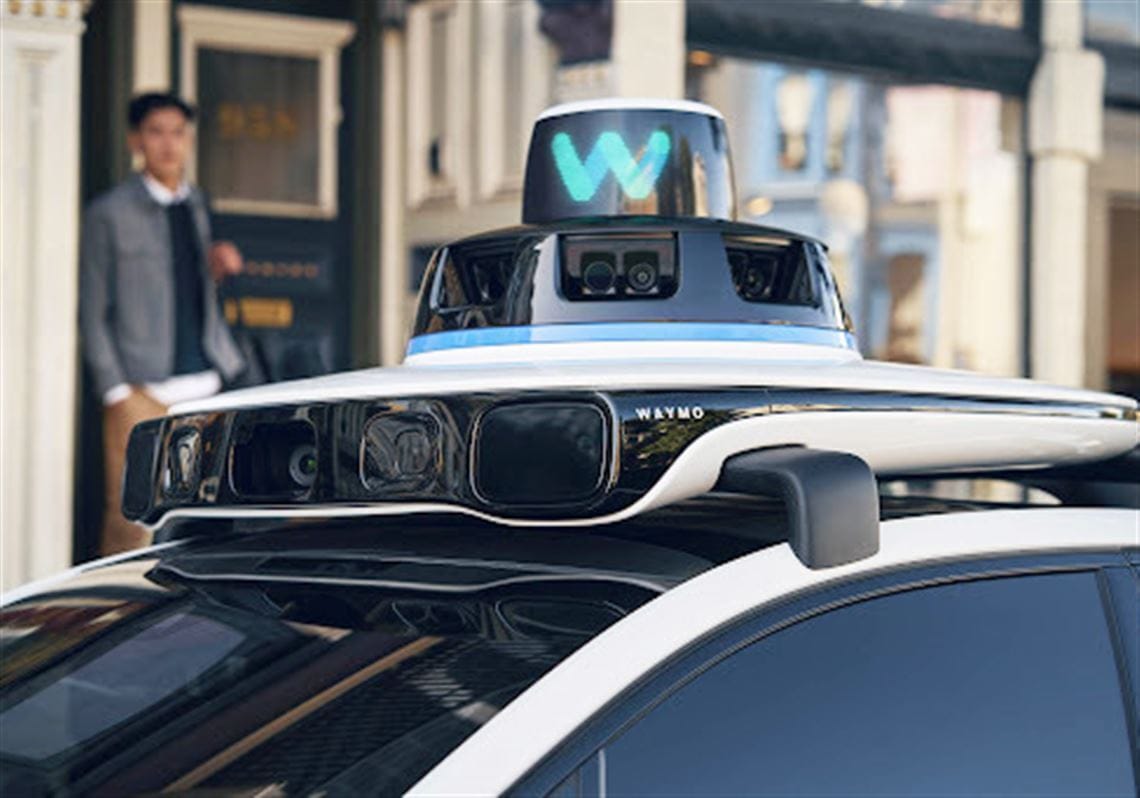
In a world where autonomous vehicles are steadily hitting the streets, Waymo’s driverless taxis are turning heads with their potential to navigate Pittsburgh’s notoriously challenging roadways. Known for its steep inclines, bridges, and intricate intersections, the city presents a unique test for the advanced technology.
While Waymo has made strides in cities like Phoenix, the question arises: can these self-driving cars tackle Pittsburgh's complexities? Experts weigh in on the safety, adaptability, and overall readiness of these vehicles. As residents might ponder whether to embrace this high-tech transportation option, Waymo aims to demonstrate its capability to enhance urban mobility.
Will Pittsburgh embrace the driverless era? The streets ahead may soon reveal the answer.
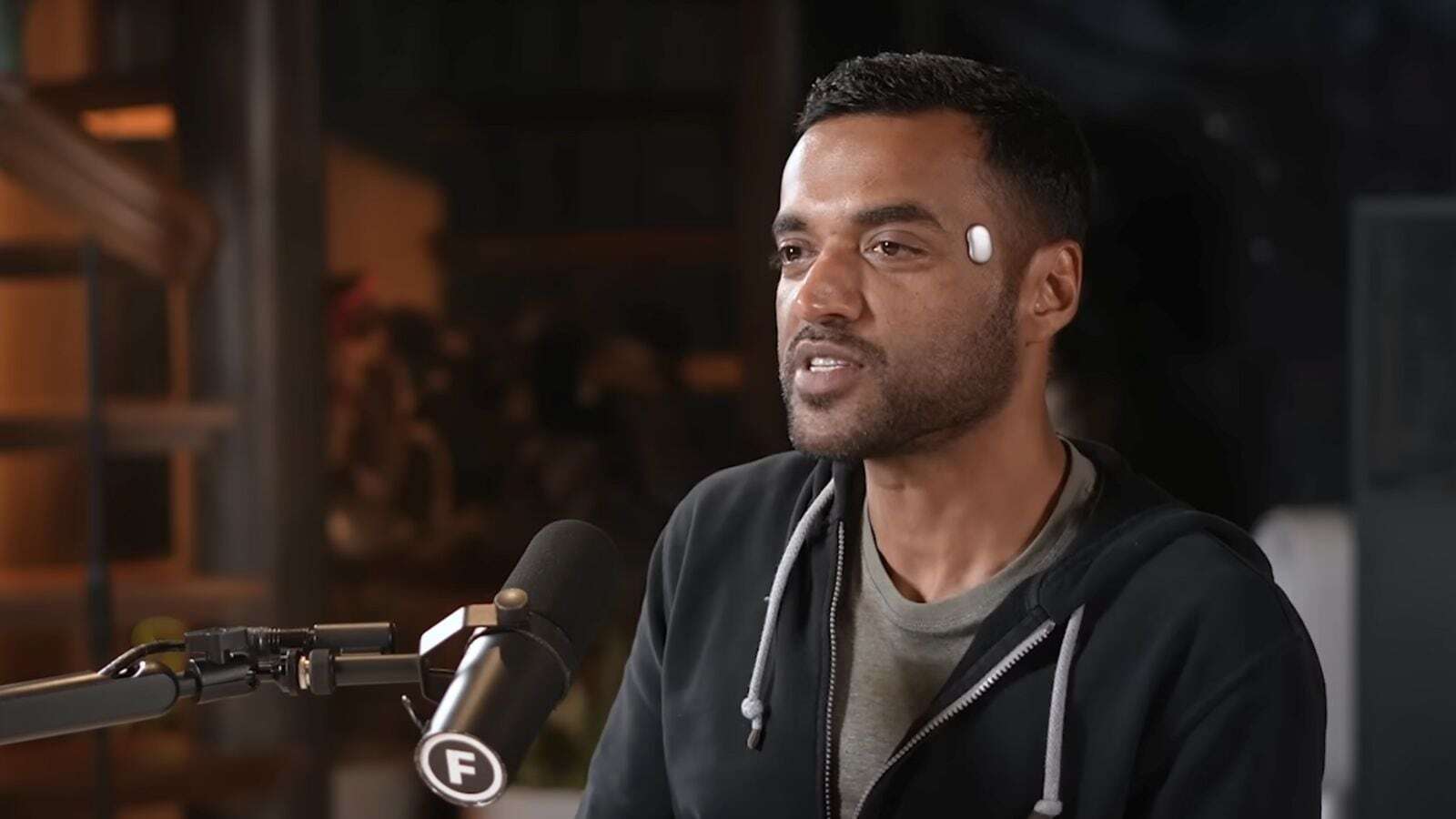
Deepinder Goyal, CEO of Zomato, has sparked intrigue with his latest project, a health wearable called "Temple." Appearing on a podcast sporting the device, Goyal described it as part of his independent research initiative aimed at studying aging and brain circulation.
Backed by a personal investment of around $25 million, Temple focuses on measuring cerebral blood flow, particularly in relation to posture and movement. Its premise is rooted in the “Gravity Aging Hypothesis,” suggesting that gravity could affect circulation over time, thus influencing cognitive health.
While touted as innovative, experts caution against overstating its current capabilities since it lacks regulatory approval and clinical validation. Critics argue it remains more of a personal experiment than a viable health solution.
Although Goyal hasn't disclosed a commercial launch timeline, Temple exemplifies a growing trend toward personal health exploration through advanced wearable technology.

CES 2026 kicked off with an exciting array of groundbreaking gadgets that promise to revolutionize tech in our homes. Highlights include LG’s stunning wallpaper TV, which is so sleek it’s nearly invisible from the side, and Dreame's innovative X60 robot vacuum equipped with advanced AI navigation and enhanced suction power.
The ultra-thin 'Paper' tablet from Haining Toall Technology astonishes with its 13-inch AMOLED display while weighing just 3.1mm thick.
Experience lighting like never before with Govee's Ultra ceiling fixtures that sync to natural light cycles, and keep track of conversations with SwitchBot’s AI MindClip wearable. Samsung and LG wowed crowds with new OLED screens and robotic assistants, respectively, while Glyde’s smart hair clippers promise stylish trims at home.
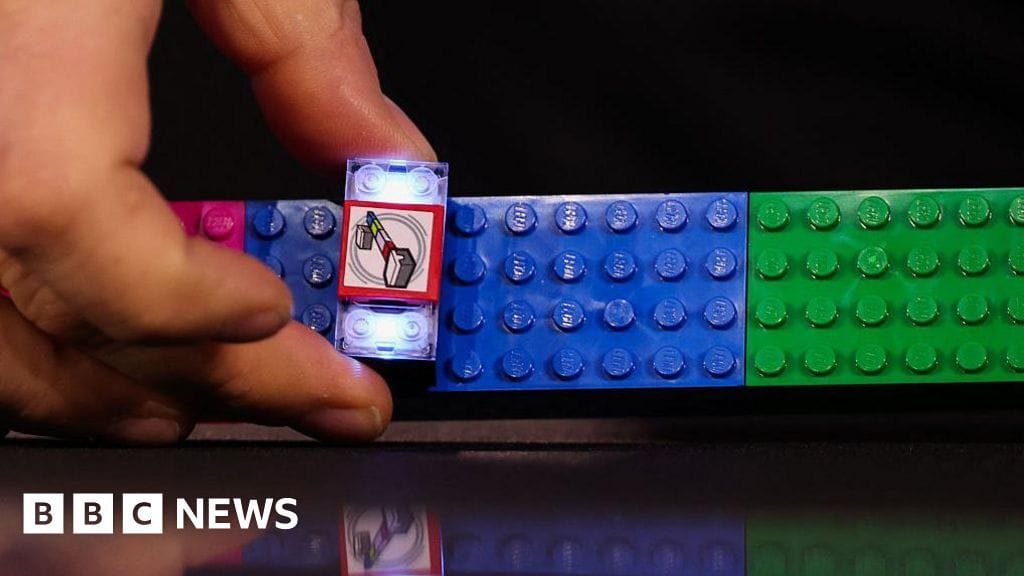
Lego has introduced its innovative Smart Bricks at the CES 2026 in Las Vegas, promising to revolutionize play with features like sound, light, and motion sensitivity. However, this tech-savvy approach is raising eyebrows among play experts who argue it diminishes the imaginative essence of traditional Lego.
Critics, like child wellbeing advocate Josh Golin, claim that these Smart Bricks take creativity out of children's hands and place it into sensors. Yet, Lego hopes to enhance play by seamlessly blending digital interaction with classic building.
These electronic bricks can detect movement and communicate with Smart Minifigures, creating engaging storytelling experiences. Despite some anxieties about security and privacy in smart toys, Lego remains committed to embracing technology as a means to inspire creativity.

In 2026, groundbreaking technologies like AI-powered grills and robotic dogs are set to reshape our daily lives in remarkable ways! Imagine a world where your kitchen appliance intuitively adjusts cooking temperatures, learning your preferences for effortless meal preparation. Meanwhile, robotic dogs are stepping up as invaluable companions in search and rescue missions and even as accessible aides for the elderly.
These innovations promise not only increased efficiency but also tackle labor shortages across various industries.
While the excitement around these advancements grows, concerns around privacy and job displacement remain vital topics for discussion.
As society embraces these transformative technologies, we find ourselves on the brink of a future where AI and robotics enhance our lives, fostering a more inclusive and efficient world. With continuous innovation and investment, the blend of tech and daily life is set to bring unprecedented convenience and capability by 2026.

The landscape of drug development is undergoing a radical transformation, thanks to artificial intelligence (AI). Companies like Insilico Medicine are spearheading this revolution, leveraging AI to identify and design over 40 drugs targeting serious conditions like cancer and kidney disease.
The process has significantly accelerated, reducing the timeline for drug candidates from years to mere months. GSK's Dr.
Patrick Schwab is at the forefront, utilizing AI tools like Phenformer to decode genomes and generate insights into disease mechanisms. With investments projected to soar and partnerships between pharmaceutical giants and tech firms on the rise, AI is set to reshape not just how drugs are discovered but also how clinical trials are conducted.
This shift promises to increase the success rate of clinical trials and decrease costs, heralding a new era in healthcare where AI could unlock boundless possibilities for improving human health.