- TECHSWU
- Posts
- TechSwu
TechSwu

TECHSWU
April 03, 2026

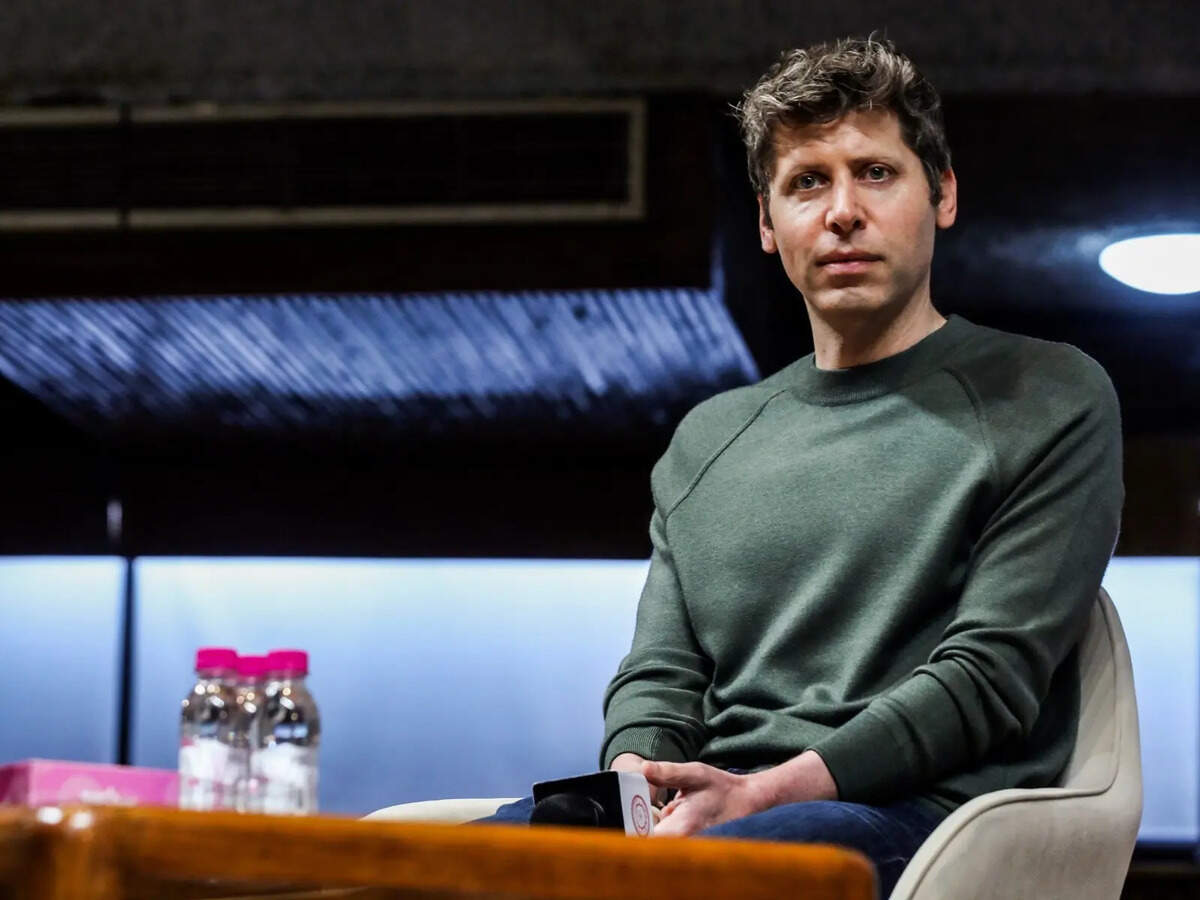
In an exciting move, OpenAI has announced its acquisition of TBPN, a technology news podcast that Sam Altman has dubbed his "favourite tech show." This strategic acquisition aims to enrich OpenAI's internal discussions about the impact of AI by integrating TBPN's talented editorial team into its strategy organization.
Both Jordi Hays and John Coogan, the show's hosts, will maintain editorial independence, ensuring that TBPN continues to offer its unique perspective on tech-related discussions. Altman expressed his eagerness to see TBPN thrive while acknowledging that they won't go easy on OpenAI.
Alongside leveraging TBPN’s insights, OpenAI plans to innovate how it communicates AI advancements to the public. This partnership marks a significant collaboration in shaping conversations around AI, with the goal of steering the narrative in a constructive and impactful direction.


China has officially launched its ambitious 15th Five-Year Plan for 2026-2030, positioning itself as a formidable global power. This blueprint isn’t just about economic growth; it's a futuristic roadmap prioritizing cutting-edge technologies like brain implants, AI-driven 6G, humanoid robots, flying cars, quantum computing, and even nuclear fusion.
Alongside these innovations, the plan reinforces defense capabilities, emphasizing self-sufficiency and resilience amid rising geopolitical tensions.
The initiative aims to transform China into a leader in both industrial and technological sectors while elevating national security.
With targets set for economic growth, including raising per capita GDP significantly by 2035, the plan reflects a bold push towards securing a competitive advantage in an uncertain world.

Elon Musk has made headlines after responding to reports that SpaceX is aiming for a jaw-dropping valuation of over $2 trillion in its upcoming IPO. A tweet from Mario Nawfal cited a Bloomberg article highlighting the ambitious target under Musk’s visionary leadership, which positions SpaceX among the most valuable companies on Earth.
However, Musk quickly shot down the speculation, dismissing Bloomberg's claims as “bs.” SpaceX, the world's most valuable private company, is reportedly preparing for a confidential IPO filing that could see it listed as soon as June 2026.
This IPO may generate more buzz than anticipated, potentially valuing the company at $1.75 trillion, outpacing significant tech giants in the process.
With its impressive advancements in rockets and AI, SpaceX looks to stake its claim in public markets while Musk's trademark skepticism keeps the speculation lively.

As Apple celebrates its 50th anniversary, a pivotal question looms: Can the tech giant continue its legacy of innovation sparked by the original iPhone, or will it need to reinvent itself for the future? This retrospective highlights the iPhone as Apple's crown jewel, launched in 2007 and redefining how we interact with technology. Its sleek design and intuitive interface have left an indelible mark on consumer tech, influencing everything from smartphones to apps we use daily.
Yet, as sales reach a plateau, industry watchers wonder if Apple can replicate the magic of the iPhone in a new venture, challenging it to transition from its iconic product reign. With innovations like the iPhone Air, Apple steps into a new chapter, but the pressure is on to deliver the next groundbreaking moment that will captivate consumers just as its revolutionary phone once did.
Will Apple rise to the occasion again? The tech world is watching closely.

In the latest edition of "What’s New in Digital Equity," New York City launches the "Get Online NYC" campaign to enhance internet accessibility for its residents. The initiative features a user-friendly map for locating free computer labs and affordable resources.
This campaign is part of the city’s ongoing efforts highlighted in the NYC Digital Equity Roadmap, aimed at bridging the digital divide. Meanwhile, the National Digital Inclusion Alliance shares best practices for sustaining digital inclusion amid federal enforcement actions that disrupt access to services.
In other news, new bipartisan legislation seeks to improve rural broadband access, while a Maryland partnership aims to optimize fiber-optic infrastructure. A report reveals many consumers feel misled by internet pricing, and a striking 12.
7 million seniors are without home broadband, highlighting the urgent need for targeted digital access solutions.

Dario Amodei, the CEO of Anthropic, has made waves in the AI sector with a staggering net worth of $7 billion as of April 2026. From his roots in research roles to leading a billion-dollar company, Amodei's journey is nothing short of inspiring.
He co-founded Anthropic in 2021, focusing on developing advanced large-scale AI systems that prioritize safety and alignment. His formidable background includes significant contributions to AI research at OpenAI, where he was instrumental in advancing techniques like reinforcement learning from human feedback.
Under his leadership, Anthropic has secured partnerships with tech giants Alphabet and Amazon, enhancing its capabilities. With a PhD in biophysics from Princeton, Amodei exemplifies the fusion of technical expertise and business acumen, positioning himself among the tech elite.
As we see AI technology evolving, he remains a pivotal figure in shaping its future.

In an engaging exploration of AI's history, The Times of India highlights four pioneering figures who have fundamentally shaped the technology we rely on today. Geoffrey Hinton, Yann LeCun, and Yoshua Bengio—known as AI’s “Godfathers”—and Fei-Fei Li, its “Godmother,” have dedicated their careers to transforming the landscape of artificial intelligence.
Through periods of skepticism and "AI winters," they persevered, developing the groundbreaking deep learning techniques that underpin countless modern applications. Hinton’s focus on neural networks, LeCun’s convolutional networks for image recognition, Bengio's contributions to language processing, and Li’s creation of the influential ImageNet database have each played critical roles in enabling machines to learn and see as humans do.
Their journeys underscore a collective triumph of vision, collaboration, and the belief in ideas initially dismissed by peers, illustrating how foundational work in AI has led to the remarkable innovations we experience today.