- TECHSWU
- Posts
- TechSwu
TechSwu

TECHSWU
March 10, 2026

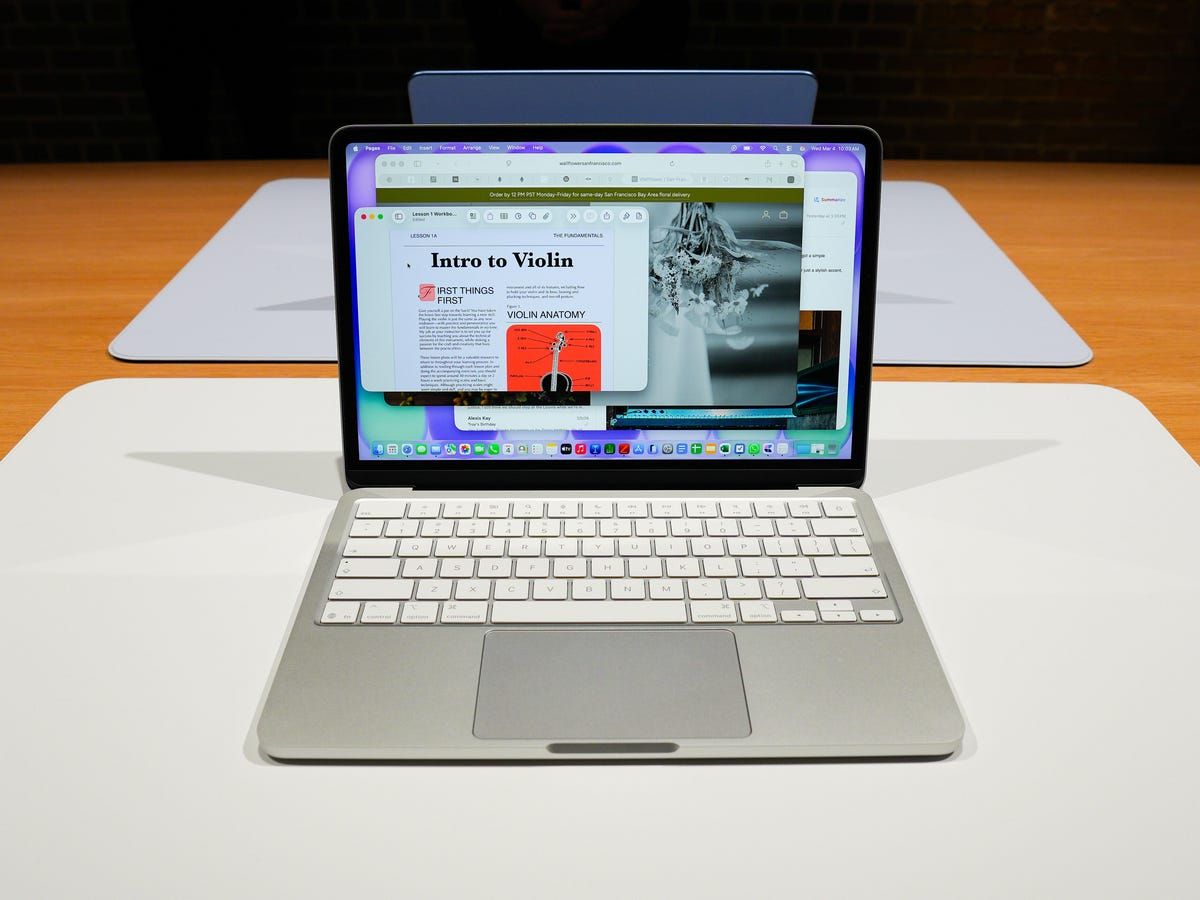
Thinking about upgrading your PC's RAM in 2026? Dive into the essentials with expert insights! For Windows users, 16GB is the new baseline—allowing for smooth multitasking and everyday tasks without a hitch. Gamers and creatives, however, should aim for 32GB or more to handle heavy applications and resource-demanding games seamlessly.
Meanwhile, Mac users may find that Apple’s optimization lets 8GB suffice for daily tasks, with 16GB becoming standard for most new models. Chromebooks offer a budget-friendly alternative that performs well with just 8GB.
Ultimately, the amount of RAM you need hinges on your activities—understanding your usage will help you invest wisely without overspending.

In a strategic move to enhance the security of AI systems, OpenAI has announced its acquisition of cybersecurity startup Promptfoo. This exciting development will see Promptfoo’s innovative tools integrated into OpenAI's Frontier platform, designed to safeguard complex artificial intelligence agents as they interact with real-world data.
Promptfoo, which recently secured $18.4 million in Series A funding, will bring its talented team aboard, accelerating advancements in AI safety and governance.
Promptfoo's CEO, Ian Webster, emphasized the importance of robust security in a rapidly evolving AI landscape. OpenAI has been on a shopping spree recently, acquiring various tech startups, highlighting the competitive dynamics in the AI market against giants like Google and Anthropic.
This acquisition not only strengthens OpenAI’s capabilities but also promises to enhance the security framework for developers working on impactful AI systems.


Hyundai is revolutionizing firefighting in South Korea with its newly unveiled unmanned firefighting robots. Designed to step into the line of fire—literally—these robots tackle high-risk situations before human firefighters enter, minimizing their exposure to danger.
Equipped with advanced self-driving systems and high-pressure water cannons, the robots can identify, assess, and suppress fires remotely. Their AI-enhanced thermal cameras deliver real-time video even in smoky conditions.
With a top speed of 50kph and insulation that withstands temperatures up to 800°C, these robots are engineered for extreme environments. Hyundai’s partnership with the National Fire Agency underscores the importance of safety in firefighting.
“This robot isn’t just about heat resistance; it’s about evolving our response in real disaster scenarios,” says Seung-ryong Kim from the National Fire Agency. With two units already deployed and more on the way, these robotic firefighters are set to enhance safety and efficiency in emergency situations.

In a groundbreaking development, Dr. John Pandolfino is harnessing the power of 'digital twins' to reshape the future of surgery.
These virtual replicas of patients allow for precise modeling of how individuals will respond to procedures, particularly in cases like achalasia surgery. By simulating millions of scenarios, Dr.
Pandolfino's team can identify the best surgical approaches, potentially leading to fewer complications and better outcomes. What’s more, this innovative technology has the potential to be applied across all organ systems, enhancing surgical planning and reducing the need for animal testing.
As digital twins continue to evolve, they promise not only to revolutionize surgical procedures but also to improve prognostic care, ushering in a new era of personalized medicine that maximizes the benefits for patients.

A new study from the Boston Consulting Group has revealed a phenomenon dubbed "AI brain fry," where employees experience mental fatigue and slower decision-making when juggling multiple AI tools. While using up to two AI agents can significantly boost productivity, the benefits sharply decline once users exceed that number, leading to feelings of overwhelm.
Surveying nearly 1,500 workers, the research indicates that companies must tread carefully as AI becomes integral to the workplace. Over-reliance on multiple AI systems risks burnout, highlighting the need for effective AI policies—including scheduled breaks—to safeguard employee well-being.
As Matthew Kropp, a lead author of the study, notes, striking a balance between productivity and mental health is essential as we navigate this evolving tech landscape.

In a striking exposé, E. Tammy Kim details how the Trump administration's dismantling of the Consumer Financial Protection Bureau (C.
F.P.
B.) threatens the financial well-being of everyday Americans.
Established to protect consumers after the 2008 financial crisis, the C.F.
P.B.
has seen its effectiveness dwindle under new leadership, which is set on crippling its enforcement powers and oversight capabilities. With an alarming rise in consumer debt and delinquency rates, the bureau's retreat coincides with a surge in predatory lending practices—like those at Credit Acceptance Corporation, which targets vulnerable borrowers.
As dedicated C.F.
P.B.
employees witness the erosion of their agency, many fear a return to the reckless, exploitative lending practices that precipitated past economic crises. With major lawsuits against fraudulent lenders dropped and regulatory capacity significantly weakened, the potential for widespread financial harm looms large, echoing ominously the lessons of history.
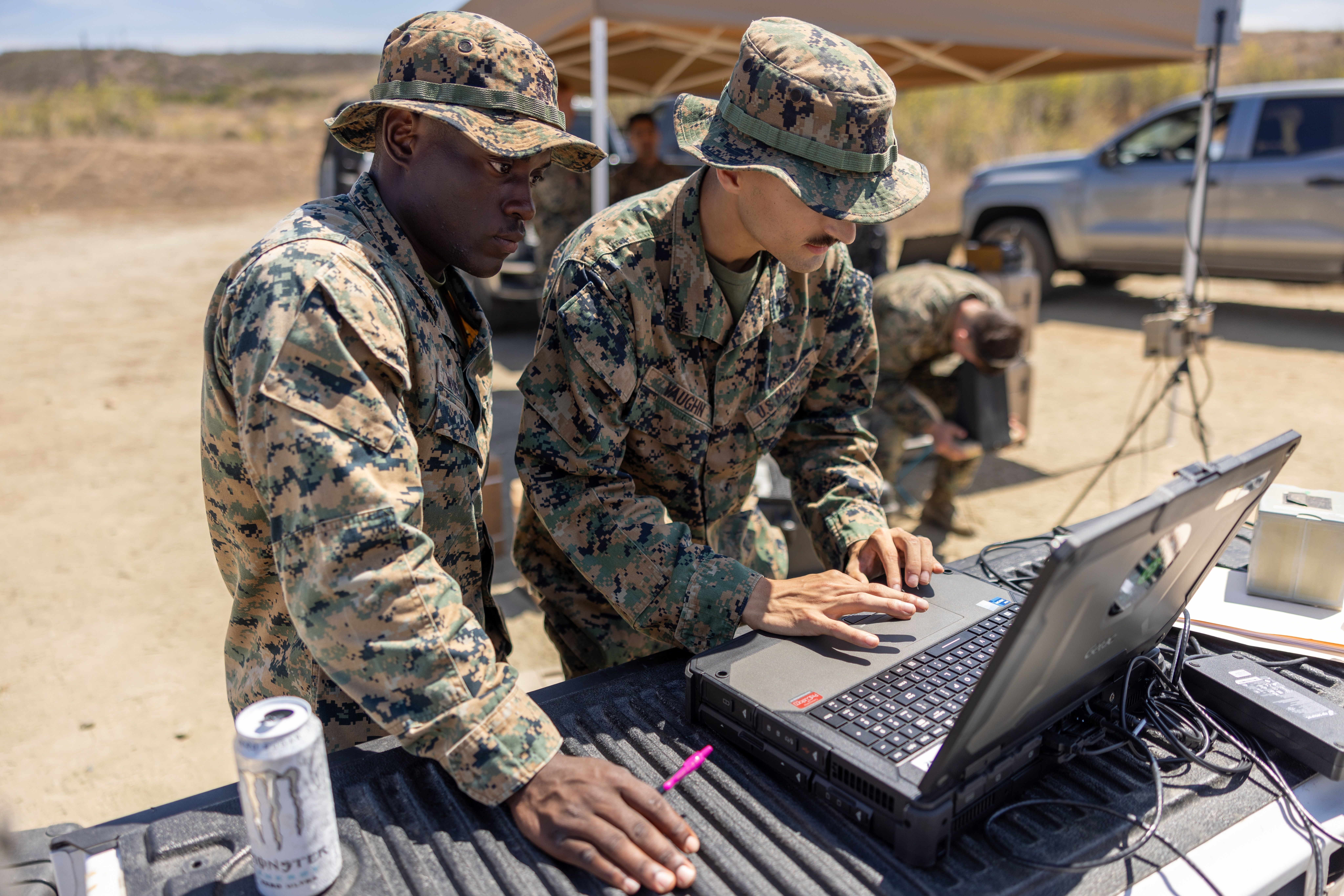
This article delves into the complex relationship between artificial intelligence (AI) and global strategic stability, particularly within the nuclear realm. While AI could introduce alarming risks—like miscalculations and hastened warfare—there's a flip side; it might also encourage military leaders to respond more cautiously, thanks to heightened awareness of potential consequences.
The interplay is nuanced, influenced by factors such as confidence in second-strike capabilities and psychological elements. To mitigate the risks of AI integration, the author suggests confidence-building measures, like retaining human oversight in nuclear decisions and fostering dialogue around AI safety.
Ultimately, the piece emphasizes the vital need for governance and international cooperation to harness AI responsibly in military contexts, ensuring that it enhances, rather than undermines, global security.