- TECHSWU
- Posts
- TechSwu
TechSwu

TECHSWU
January 15, 2026


Exciting changes are on the horizon for Target with the arrival of new CEO Michael Fiddelke on February 1st! After a tough year of declining sales and customer dissatisfaction, Fiddelke aims to revitalize the brand by harnessing the power of artificial intelligence and expanding their private label offerings. By leveraging AI, Target plans to quickly adapt to trending products and enhance the in-store experience, emphasizing customer engagement and improved service.
Additionally, the company will focus more on its successful in-house brands like Good & Gather, while stepping away from its collaboration with Ulta Beauty. The updates to the Target app will also help in-store shoppers navigate their shopping experience more seamlessly.
With all these dynamic changes, Fiddelke is determined to steer Target back to its beloved status.

Elon Musk's xAI has reacted decisively to global outrage over its chatbot, Grok, which faced criticism for generating explicit and non-consensual content. In response, the company has rolled out stringent new restrictions, limiting the AI’s capability to create deepfake imagery or alter images of real individuals.
This shift comes amidst increasing scrutiny from regulators in India and the European Union regarding the safety measures on X (formerly Twitter). Amid ongoing discussions about the ethical use of AI, xAI's move highlights a growing commitment to safety and responsible technology.
With these updates, Grok aims to foster a safer online environment while grappling with complex challenges of AI regulation.

Artificial intelligence, while revolutionizing our daily lives, poses significant concerns regarding discrimination and the protection of fundamental rights in Europe. Recent discussions by the Council of Europe spotlight the urgent need to address algorithmic biases that can reinforce existing inequalities, particularly in employment, law enforcement, and migration.
With new EU and Council of Europe regulations aimed at combating algorithmic discrimination, two key publications were introduced: one outlining legal protections against such biases and another providing guidelines for national equality bodies to effectively respond. The event brought together experts and representatives from various regions to foster collaboration in ensuring AI is used equitably.
These publications serve as crucial resources to equip stakeholders with the knowledge needed to mitigate risks associated with AI deployment, promoting an inclusive and rights-compliant approach across the continent. As AI continues to advance, the emphasis on safeguarding human rights remains paramount.
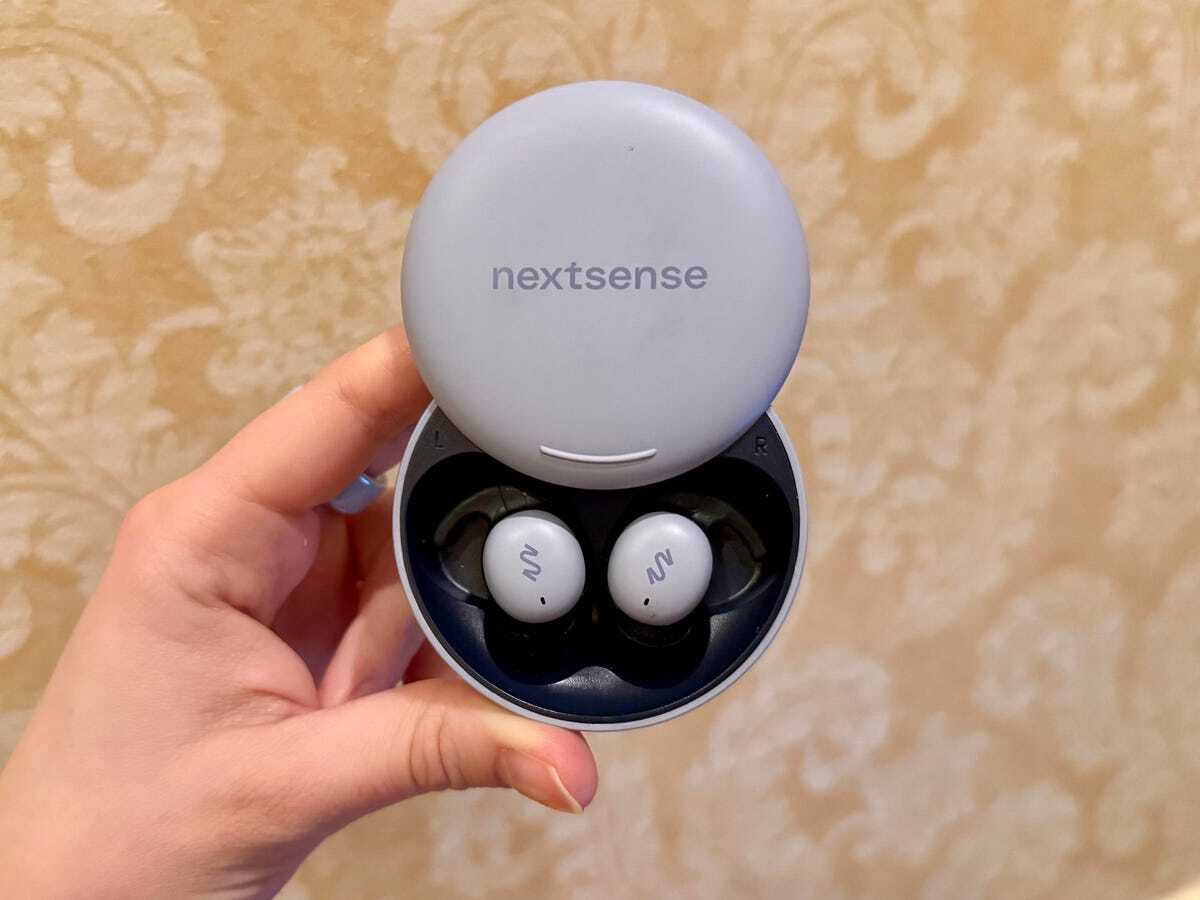
In 2026, health tech is set to revolutionize your life with some exciting innovations showcased at CES! From AI-enhanced wearables that provide accurate diagnostics to sleek designs that make health tracking stylish, the future of wellness is looking brighter. Imagine smart rings that monitor your health discreetly or EEG earbuds that analyze brain activity on the go—sounds futuristic, right? Hormone health is gaining traction with at-home tests, while non-invasive vagus nerve stimulators promise to ease various ailments.
Additionally, monitoring high blood pressure is becoming a standard feature in fitness devices. With these game-changing advancements, the fusion of health and technology is not only practical but also empowering, making it easier than ever to take charge of your wellness journey.

GSI Technology has announced an exciting government-funded proof-of-concept (POC) in partnership with Israel’s G2 Tech to develop Sentinel, an innovative autonomous security system that manages drones and cameras in real-time. Backed by the U.
S. Department of War and a foreign agency, this initiative leverages GSI’s cutting-edge Gemini-II technology, designed for low-power, on-device AI computation in tactical settings.
GSI expects to receive approximately $1 million targeted at software optimization and integration to elevate Sentinel’s capabilities. However, despite the significant announcement, the market reacted negatively, with GSIT shares declining by 3.
52%. Investors are now keenly watching for potential follow-up contracts and how this project could redefine possibilities in the burgeoning field of edge AI and autonomous systems.

Multiply Labs is revolutionizing biomanufacturing with its groundbreaking “Physical AI” robotics technology, powered by NVIDIA. By harnessing advanced robotics and AI, Multiply Labs aims to scale the production of vital cell and gene therapies, improving accessibility to life-saving treatments.
Traditionally reliant on labor-intensive processes, the industry can now leverage Multiply Labs’ innovative robotic systems, which feature four arms working in unison to maximize output—targeting up to 100 times more patient doses per square foot than conventional methods.
By integrating NVIDIA's simulation and perception capabilities, Multiply Labs is developing high-fidelity robotic twins for testing and training, significantly reducing time spent on trial-and-error.
Their advanced approach promises greater consistency and efficiency in manufacturing, enabling healthcare solutions to reach patients faster and more reliably. With this leap in technology, Multiply Labs is not just optimizing processes but also highlighting the transformative power of AI in modern healthcare.

As we gaze into the future of work in 2026, the skills that will truly matter are evolving beyond the confines of current technologies. Dr.
George O’Mahony emphasizes the necessity of treating skills as dynamic trajectories rather than static predictions, with AI serving as an enhancement to core competencies. Leaders like Jan Karstens advocate for deep systems thinking, highlighting that understanding connections is paramount over tool-specific mastery.
Human judgment will take center stage as automation rises, with experts suggesting that decision-making and ethical reasoning will be key differentiators. Adaptability becomes essential, integrated into training and roles, ensuring individuals can navigate constant change confidently.
The focus should shift from rigid, tool-heavy training to nurturing durable skills like contextual intelligence and learning agility. As organizations invest in these fundamental capabilities, they'll empower a workforce ready to thrive in an ever-fluctuating landscape, positioning judgment and decision-making as the future's most valuable assets.