- TECHSWU
- Posts
- TechSwu
TechSwu

TECHSWU
May 05, 2026

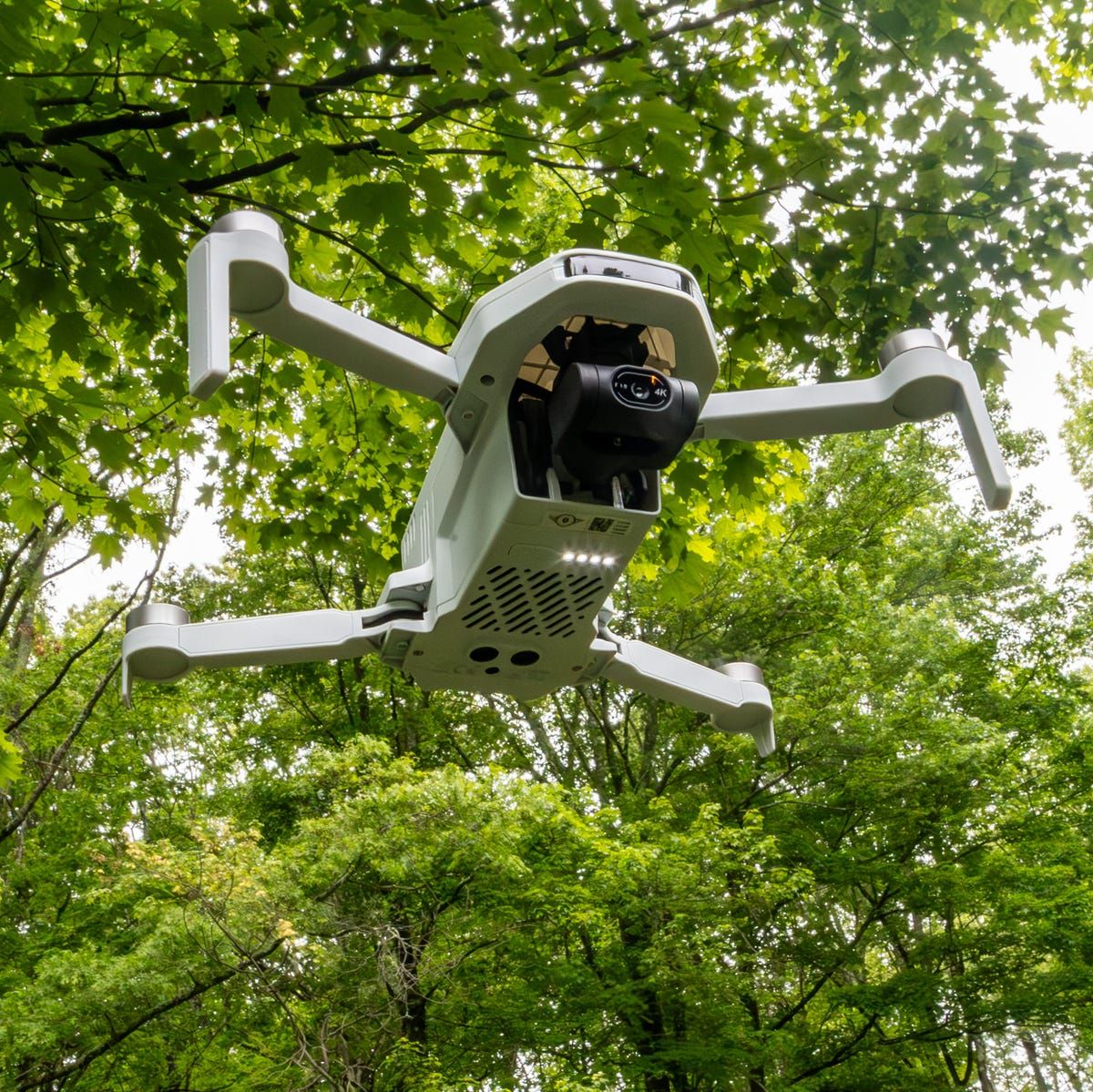
In "The 6 Best Drones of 2026," Popular Mechanics takes flight, showcasing a top-tier selection of cutting-edge drones that cater to everyone from casual hobbyists to serious videographers. With expert recommendations from seasoned drone pilots, this article introduces standout models like the DJI Mini 4K, perfect for high-quality video and excellent stability, and the budget-friendly Hoverair X1, known for its fun, compact design.
The Hoverair X1 Promax impresses with its impressive flight patterns and rugged build, while the professional-grade DJI Mavic 4 Pro edges out as the ultimate tool for filmmakers. As drones evolve, the article highlights essential features such as obstacle avoidance and connectivity, ensuring safety and ease of use for new pilots.
With a rapidly changing market, the article emphasizes the importance of selecting reliable brands and understanding local regulations, helping readers make informed choices in their aerial adventures.
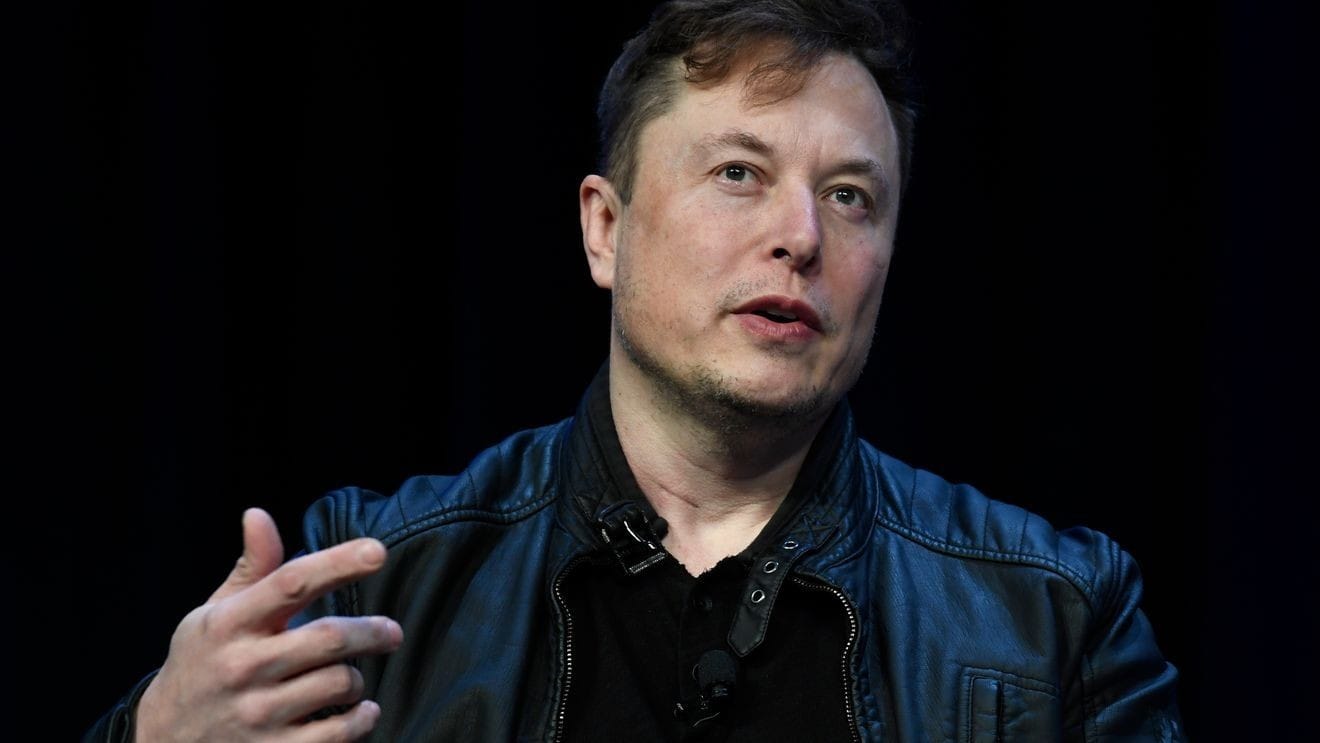
In a dramatic showdown, Elon Musk is taking on OpenAI CEO Sam Altman in a high-stakes court battle that puts the future of artificial intelligence in the spotlight. Musk, a vocal critic of unchecked AI development, is challenging OpenAI’s practices and potential risks associated with its technology.
As these tech titans clash, the implications of their dispute resonate beyond the courtroom—raising questions about ethics, safety, and the direction of AI innovations. This legal fight serves as a riveting glimpse into the contrasting visions that could shape our digital future.
With both sides armed with their unique perspectives, the outcome could redefine the landscape of artificial intelligence as we know it.
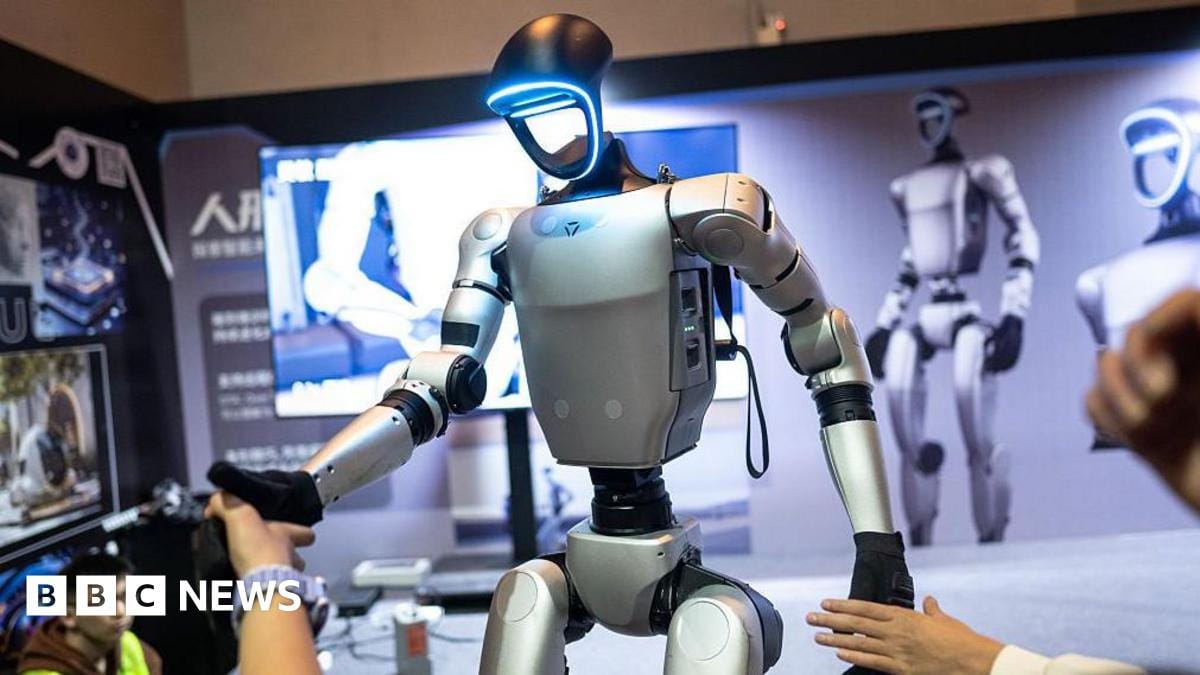
Tech entrepreneur Charles Radclyffe is sounding the alarm on the rapid advancement of AI in the workplace, proposing a "minimum wage for robots" as a way to mitigate potential job losses. He warns that, while companies deploying AI may not be cutting jobs immediately, they are hiring less, posing a long-term threat to employment.
Radclyffe advocates for a tax on AI use, suggesting it could slow down adoption and allow the government to intervene proactively. As his own software automates office tasks with astonishing speed, he stresses that this change requires a strategic response from policymakers who seem unprepared for its impact.
The UK government acknowledges the need for vigilance in monitoring AI's effects, while various political parties are gearing up for elections, emphasizing the need for responsible AI use. Without urgent action, Radclyffe fears regions like South Wales could face employment challenges reminiscent of historical industrial upheavals.
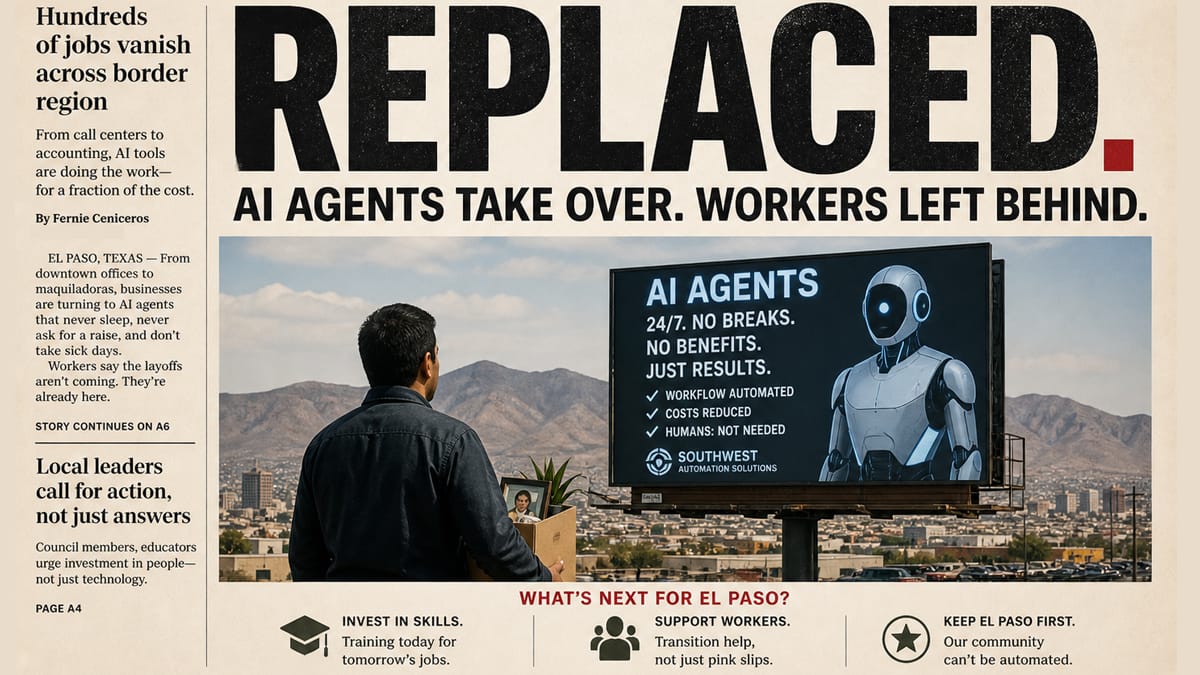
As artificial intelligence (AI) continues to evolve, its impact on the job market is growing increasingly concerning. In Hollywood, the narrative is shifting—by 2030, projections suggest that 30% of jobs could be lost to AI, with another 60% requiring new skills.
El Paso alone saw approximately 800 layoffs in 2024 and 2025, driven by companies like HGS Solutions transitioning to AI workers. In response to these changes, the Academy of Motion Picture Arts and Sciences has updated its rules, banning AI-generated films and screenplays from the Oscars, emphasizing the importance of human creativity.
While jobs in tech and customer service are particularly vulnerable, the hospitality sector remains relatively safe. The allure of AI for businesses lies in its ability to cut costs, replacing costly human labor with algorithms.
As AI continues to alter the landscape, its ramifications for employment and creativity are profound and far-reaching.

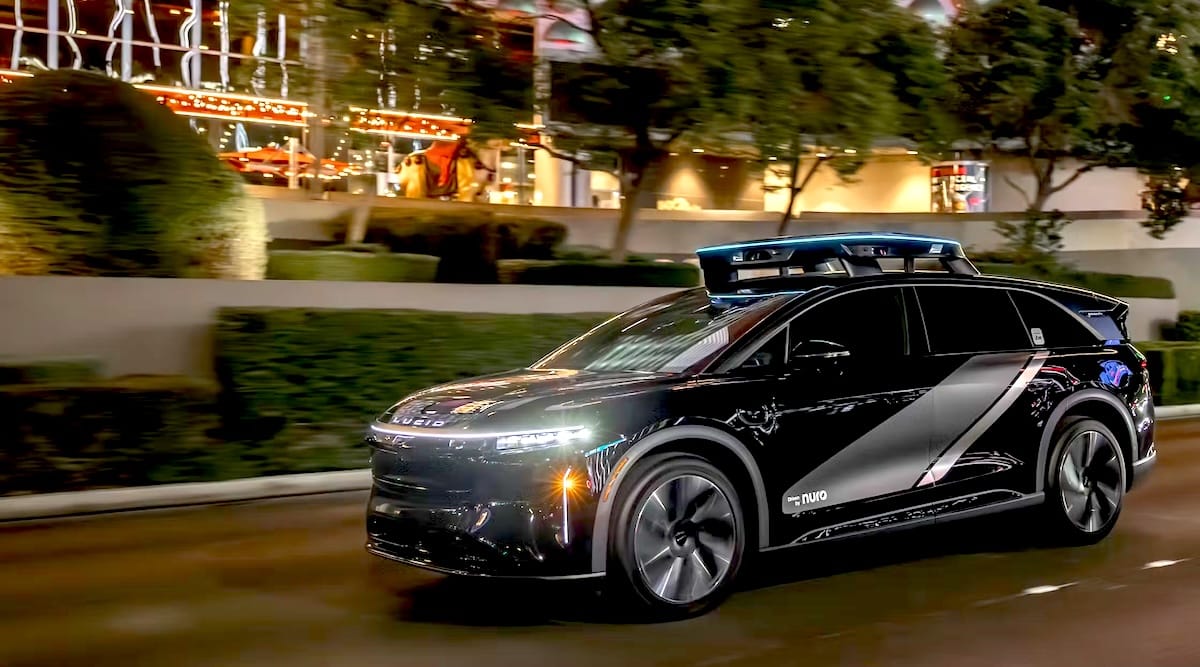
Lucid Motors is shaking up the robotaxi market with a game-changing partnership with Uber and Nuro, supported by Hertz’s new fleet management venture, Oro. As Tesla faces growing competition and criticism for its delayed robotaxi rollout, Lucid is ramping up its efforts to establish itself as a formidable contender.
The electric vehicle startup has demonstrated impressive sales growth, notably with its Lucid Gravity SUV, and aims to leverage its partnership to launch a luxurious, feature-packed robotaxi service in the San Francisco Bay Area later this year. With a spacious design for six passengers and cutting-edge technology for an intuitive ride experience, Lucid’s offering is set to challenge existing services.
Meanwhile, Uber has committed to acquiring 35,000 Lucid vehicles, enhancing both companies' ambitions in the autonomous space. As the race for robotaxi dominance heats up, Lucid is ready to take on Tesla and redefine urban transportation.

In Massachusetts, the integration of AI scribes in healthcare is transforming the patient experience! Doctors are increasingly using artificial intelligence to record and transcribe patient visits, enhancing efficiency and allowing them to focus more on patient interaction. This trend is backed by a significant percentage of U.
S. physicians who believe AI will play an essential role in clinical documentation.
Dr. Rebecca Mishuris from Mass General Brigham highlights how AI helps reduce physician burnout by alleviating the burden of multitasking, though recent studies show time savings may be modest.
Consent is crucial: patients must agree before recording, and their data privacy is rigorously maintained, with recordings destroyed post-visit. While AI is a game-changer, it’s essential for physicians to review notes for accuracy.
As AI evolves in healthcare, Dr. Mishuris encourages patients to engage and ask questions about how their information is handled, ensuring transparency in this innovative shift.

As artificial intelligence accelerates, concerns about job losses loom larger, but the federal safety net is ill-equipped to support those displaced. Current unemployment benefits, typically limited to 26 weeks, may leave many at risk without adequate aid, especially in the gig economy where many workers do not qualify.
Economists warn that as tech advancements grow, our safety net remains rooted in outdated frameworks, failing to adapt to modern workforce needs. Misguided efforts from Congress, particularly recent restrictions on food and health benefits, further jeopardize aid accessibility.
While there are calls for reforms, such as portable benefits and a focus on retraining, significant momentum is lacking. With the potential for widespread upheaval, experts argue that proactive measures must be taken to ensure a robust, adaptive safety net capable of supporting workers in an AI-driven future, rather than waiting for the crisis to strike.