- TECHSWU
- Posts
- TechSwu
TechSwu

TECHSWU
March 13, 2026


Grubhub is embarking on an exciting three-month pilot program in Green Brook, New Jersey, that utilizes autonomous drones for food delivery from Wonder's multi-restaurant kitchen. This innovative collaboration aims to enhance delivery efficiency, allowing customers within a 2.
5-mile radius to order various cuisines from a single location through the Grubhub app. The initiative brings together Grubhub’s digital ordering, Wonder's centralized kitchen model, and Dexa’s advanced drone technology, creating a promising framework for the future of food delivery.
With real-time tracking and safety protocols in place, this pilot seeks to address challenges in last-mile logistics while offering customers a unique delivery experience. As the restaurant industry explores new technologies, this initiative symbolizes hope and progress, paving the way for a more convenient and efficient dining landscape.
The future of drone delivery may soon become a reality, enriching the ways we enjoy our favorite meals.

The article explores the intriguing question of whether artificial intelligence (AI) can attain consciousness and how we might recognize it if it does. Noting the rapid advancements in AI technology, the piece emphasizes that while current systems do not possess consciousness, future developments could challenge our understanding of this complex concept.
Experts highlight the necessity of treating AI with respect, regardless of its conscious status, as this could shape our interactions and ethical considerations. The dialogue around AI consciousness fosters hope for a more compassionate future, encouraging society to reflect on our relationships with technology and its implications for morality.
As we navigate this evolving landscape, thoughtful examination and discussion will be crucial to ensure that AI technologies enrich our lives while minimizing potential harm. Ultimately, this pursuit invites optimism about the possibilities of coexistence and mutual respect between humans and intelligent systems.


Researchers at Mass General Brigham have made remarkable strides in combating intimate partner violence (IPV) through the development of advanced AI tools that can predict IPV risk long before it becomes apparent. This innovative project utilizes machine learning algorithms to analyze electronic medical records, identifying subtle patterns that typically precede visible signs of abuse.
Led by Dr. Bharti Khurana, the initiative aims to empower healthcare professionals to intervene proactively, providing critical support to at-risk individuals an average of 3.
7 years before they seek specialized help. By making hidden risks visible, these AI-driven tools hold the promise of transforming clinical practices and enhancing early intervention strategies.
With further refinement and broader implementation, this research not only highlights the potential of technology in preventative healthcare but also offers hope for a future where IPV is addressed with timely and effective support. This pioneering effort signifies a crucial step towards creating safer environments for vulnerable populations.

The article explores the evolving dynamics of warfare, particularly focusing on the roles of artificial intelligence and drones in conflicts such as those involving Iran and Ukraine. It highlights how advancements in technology are reshaping combat strategies and decision-making processes.
Despite the serious implications of these changes, there is a sense of hope as international discourse around ethical warfare begins to emerge. As societies grapple with the consequences of AI in combat, there is an opportunity for collaboration among nations to establish norms and frameworks that prioritize peace and human oversight.
This evolution could lead to a future where technology is used not just for conflict but also as a tool for diplomacy and conflict resolution. By fostering conversations around responsible AI usage in military applications, we may pave the way for a more peaceful and cooperative global landscape.
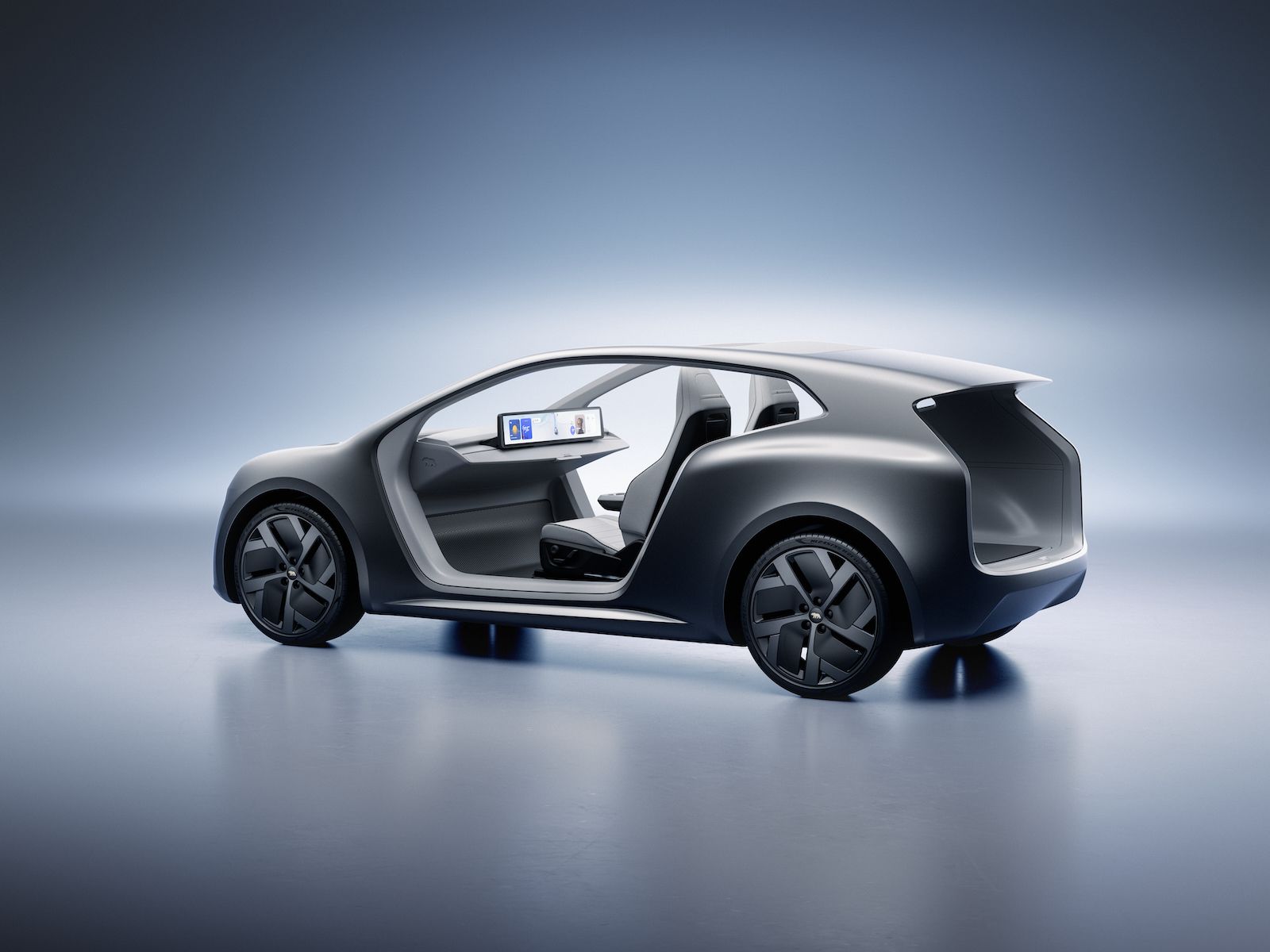
Lucid Motors has unveiled an exciting new robotaxi concept called the "Lucid Lunar" at its recent investor day in New York City. This innovative two-seater vehicle, designed without a steering wheel or pedals, represents a bold step towards the future of autonomous transportation.
While the Lunar is in early stages of development, Lucid is actively partnering with Uber and Nuro to advance its autonomous vehicle initiatives. These collaborations signal a growing focus on building a sustainable business model around self-driving technologies.
Additionally, Lucid plans to launch a subscription service for its advanced driver-assistance features, making cutting-edge driving capabilities accessible to many. The company is also committed to making electric vehicles more affordable, with two upcoming mid-sized models, named the Lucid Cosmos and Earth, set to hit the market soon.
Overall, Lucid Motors is paving the way for a promising and more efficient future in transportation.
Recent Pew Research Center findings reveal a complex yet promising landscape regarding American perceptions of artificial intelligence (AI). While many express cautious optimism, with 44% viewing AI’s potential in medical care positively, concerns about its impact on creativity and relationships persist.
Notably, younger generations are increasingly engaged with AI, with 64% of teens using AI chatbots for education and creativity. Additionally, public awareness of AI has risen significantly, with 47% of Americans stating they have heard a lot about it—a 21-point increase since 2022.
Despite mixed feelings about AI's overall benefits, there’s a shared desire for more control over its implementation. As society grapples with these advancements, the growing dialogue around AI offers an opportunity for collaboration and innovation, suggesting that with informed development and governance, AI can enhance everyday life while addressing public concerns.

Marriott International is currently navigating a dip in travel demand in the Middle East due to regional conflicts, particularly the Iran war. However, the company’s CEO, Anthony Capuano, assures that the impact remains predominantly local, with other markets showing resilience.
In response to the challenges, Marriott is enhancing its digital experience, expanding AI-driven tools to improve customer interaction and booking ease. This innovative approach positions Marriott for future growth, particularly in luxury and midscale segments, as well as alternative accommodations.
The company's forward-thinking strategies signal hope in adapting to shifting market conditions, ensuring that they remain a top choice for travelers seeking exceptional experiences. As they invest in technology and explore new opportunities, Marriott remains optimistic about the broader travel landscape's recovery and resilience, fostering a spirit of confidence for the future of travel.