- TECHSWU
- Posts
- TechSwu
TechSwu

TECHSWU
December 29, 2025


Alphabet's recent acquisition of Intersect for $4.75 billion marks a strategic move in the fast-evolving landscape of artificial intelligence (AI).
As AI demands surge, so do energy costs, making efficient energy solutions crucial for future data centers. Intersect specializes in utility-scale renewable energy solutions, pairing various sources like wind and solar directly with data centers.
This acquisition gives Alphabet more control over its energy expenses and infrastructure, helping to mitigate reliance on external utility providers. With tech giants vying for dominance in AI, this deal signals a shift towards integrating energy management into the AI development process, hinting at a more holistic approach in the industry.
As competition grows, companies that invest in comprehensive solutions—spanning hardware, software, and energy—are poised to emerge as the true victors in the AI revolution. Expect more tech firms to follow Alphabet's lead and explore similar energy-centric strategies in the near future.

The next Xbox console is set to revolutionize gaming by functioning as a full Windows gaming PC, according to a recent report by Mashable. Sarah Bond, President of Xbox, confirmed the console will deliver a premium experience, blending the traditional console interface with the expansive possibilities of PC gaming.
Gamers will no longer be restricted to Xbox titles, as the new system will allow access to platforms like Steam and a variety of gaming libraries. This shift aims to future-proof Xbox for the evolving gaming landscape, focusing on cross-platform play and a curated gaming ecosystem.
While this strategy may disappoint fans of iconic Xbox exclusives, it positions the brand to adapt to new trends, though it may come with a hefty price tag. As Xbox continues to embrace a more integrated approach, players can expect to enjoy a wider array of gaming experiences than ever before.

In 2025, artificial intelligence made waves in pop culture, reshaping creativity and entertainment in ways once thought to be sci-fi. The debut of virtual actress Tilly Norwood raised eyebrows in Hollywood, igniting debates on job security for human actors.
AI-generated musicians like Velvet Sundown and Solomon Ray scored chart-topping hits, challenging the essence of musical authenticity. Meanwhile, classic films like “The Wizard of Oz” were revamped with cutting-edge technology, raising questions about preserving artistic integrity.
Podcasts evolved, with AI replicating host voices, sparking trust concerns among audiences. Social media buzzed with deepfake videos of deceased celebrities, prompting ethical discussions.
Major studios began aligning with AI firms, with Disney investing heavily in AI technologies. These changes show how AI not only disrupts existing norms but also redefines the artistic landscape, leaving fans and creators alike to ponder what the future holds for creativity in this brave new world.
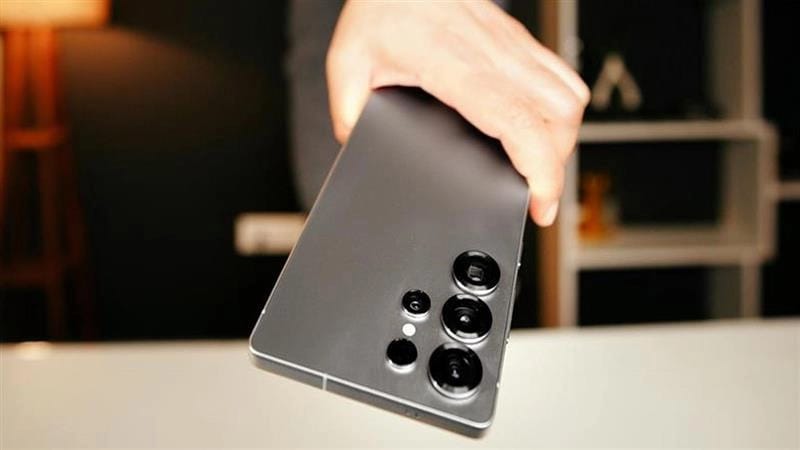
The eagerly anticipated Samsung Galaxy S26 Ultra is creating quite a buzz, but recent chatter hints at a possible launch delay. This speculation has sparked debate among tech enthusiasts—are the extra development days a clever strategy for fine-tuning, or does it risk falling behind in an intensely competitive smartphone landscape? As timing plays a crucial role in consumer interest, Samsung's next moves are being closely monitored by fans and analysts alike.

In 2025, monopolies wreaked havoc across various sectors, triggering a global outcry. Tech giants have amassed so much power that they're challenging traditional state authority, as emphasized by MI6's new chief, Blaise Metreweli.
She warned that algorithms from a few dominant firms could shape political narratives and public opinion. Meanwhile, in India, the airline industry faced turmoil as IndiGo's flight cancellations and rising fares resulted from its overwhelming market control, which limits consumer choices.
Similarly, Netflix's proposed $82.7 billion merger with Warner Bros raised antitrust alarms, sparking fears of diminished competition and creativity in streaming.
As monopolies stifle innovation and inflate prices, experts warn that governments must take action through antitrust regulations to dismantle these corporate behemoths. Addressing these monopolies is vital for shaping a fairer future, where market competition thrives and consumer interests are prioritized.

As we approach 2026, the world of fitness wearables is on the brink of transformation. Major players like Garmin and Fitbit are grappling with the dual challenges of enhancing accuracy and integrating AI-driven features while facing stiff competition from tech giants like Apple and Samsung.
With rising expectations for software reliability and deeper health insights, brands are innovating at breakneck speed. Garmin is set to release the Fenix 9, promising cutting-edge tracking capabilities, while Fitbit, now under Google’s wing, aims to redefine personal health tracking through AI and integrated health platforms.
Meanwhile, emerging alternatives such as smart rings and minimalist trackers are gaining traction, catering to users seeking holistic health monitoring without the bulk. As the competition heats up, it’s clear that the fitness tech landscape will prioritize smarter, more seamless user experiences that cater to today’s health-conscious consumers.

Meet Xu Bo, a Chinese billionaire with a rather unconventional plan for his future heirs! Having already fathered over 100 children through various surrogacies, Xu has set his sights on a new goal: he wants to father 20 US-born children to take over his massive $1.1 billion gaming empire.
This ambitious venture stems from his desire to ensure a legacy that transcends national borders, tapping into US surrogacy laws to navigate strict birth regulations in China. While his company, Duoyi Network, recently confirmed the existence of a dozen American-born kids, rumors hint at as many as 300 offspring worldwide! Xu’s drive to cultivate a thriving dynasty is echoed by other notable billionaires like Pavel Durov and Elon Musk, both known for their strikingly large families.