- TECHSWU
- Posts
- TechSwu
TechSwu

TECHSWU
March 19, 2026


Elon Musk is digging deep—literally! The tech visionary recently unveiled exciting details about his latest venture, the Boring Company, which aims to revolutionize tunneling. Inspired by frustrations with traffic, Musk founded the company to create an extensive network of underground tunnels designed for cars, rail, and even hyperloops.
He humorously considered names like “Tunnels R Us” before settling on the catchy title. Musk is determined to slash costs—which currently sit around a staggering $1 billion per mile—and believes with the right technology, he can bore a mile of tunnel in just a week! During a recent tour of a demo tunnel, he demonstrated his ambitious vision while playfully dismissing the practicality of flying cars.
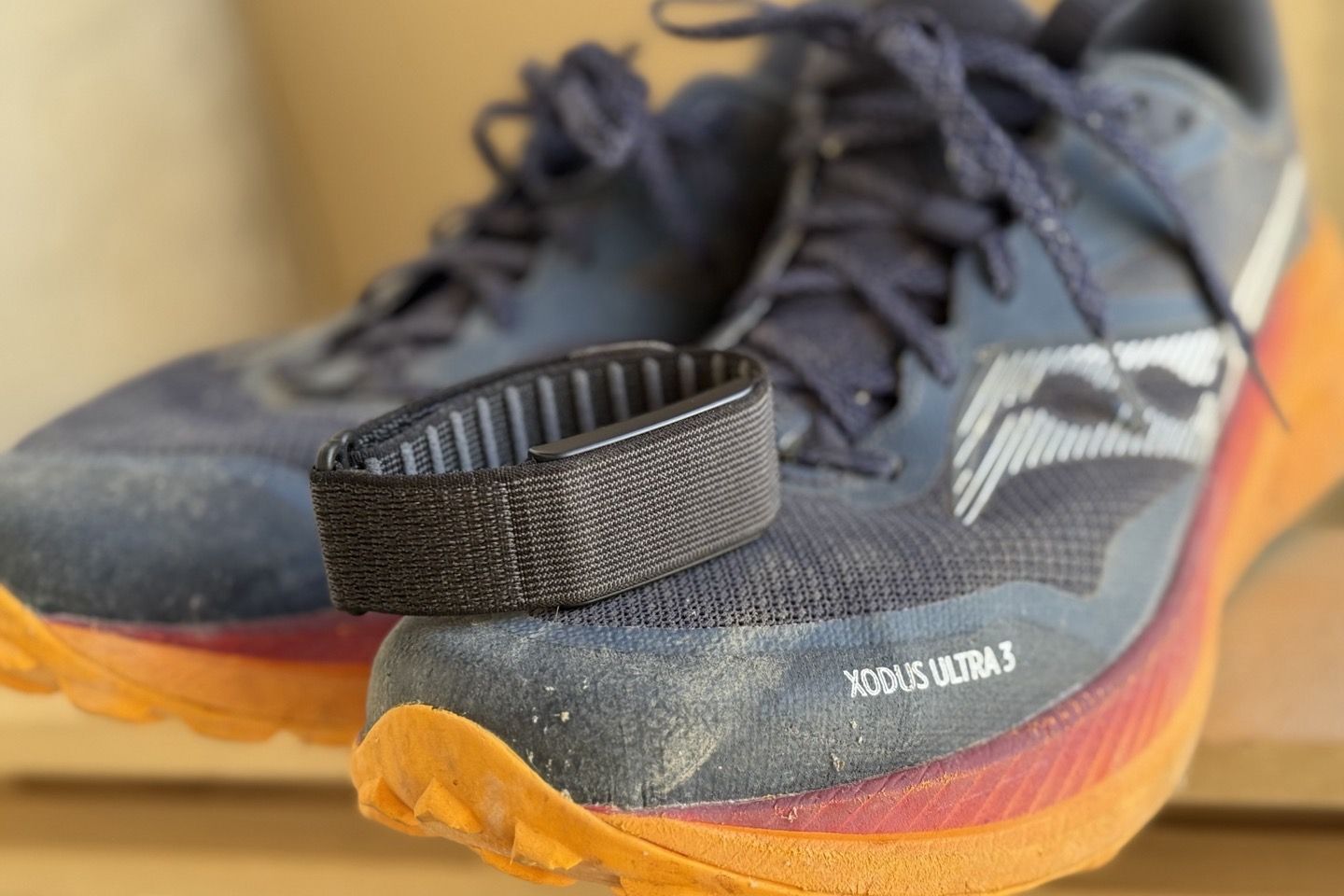
In this exciting roundup of sports tech updates, Amazfit is set to launch new products, including the highly anticipated Helio Band 2. During their recent earnings call, CEO Leon Deng highlighted impressive revenue growth, with a 43% year-over-year increase.
Meanwhile, GoPro has unveiled stunning footage from its upcoming GP3-enabled camera, expected to debut in the second quarter of 2026. The HoverAir Aqua drone is also making waves with its waterproof features, allowing for unique water-based adventures, although it remains unavailable in the US due to regulatory issues.
Finally, the DJI Avata 360 drone is gearing up for release later this month, promising innovative features and improved performance.
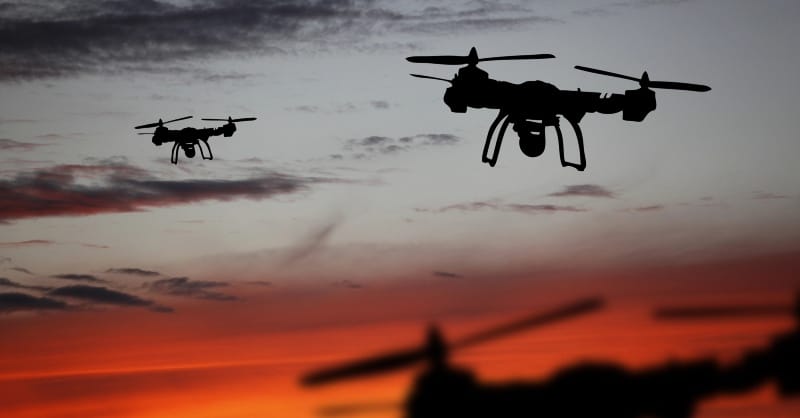
Swarmer Inc., an innovative AI-powered drone software company, has made waves with its recent IPO, achieving one of the strongest stock market debuts since the Newsmax frenzy.
Over just two days, its shares skyrocketed by over 1,200%, hitting $65.04 after an astonishing 520% surge initially.
Founded in 2023 by Serhii Kupriienko and Alex Fink, Swarmer enables autonomous drone operations and has already proven its capabilities in active conflict zones, especially in Ukraine. With a successful offering of 3 million shares at $5 each, the firm is set to channel its newly raised $15 million into expanding software capabilities and product development.
As it positions itself at the forefront of defense tech, Swarmer aims to redefine the landscape of drone autonomy and coordination.
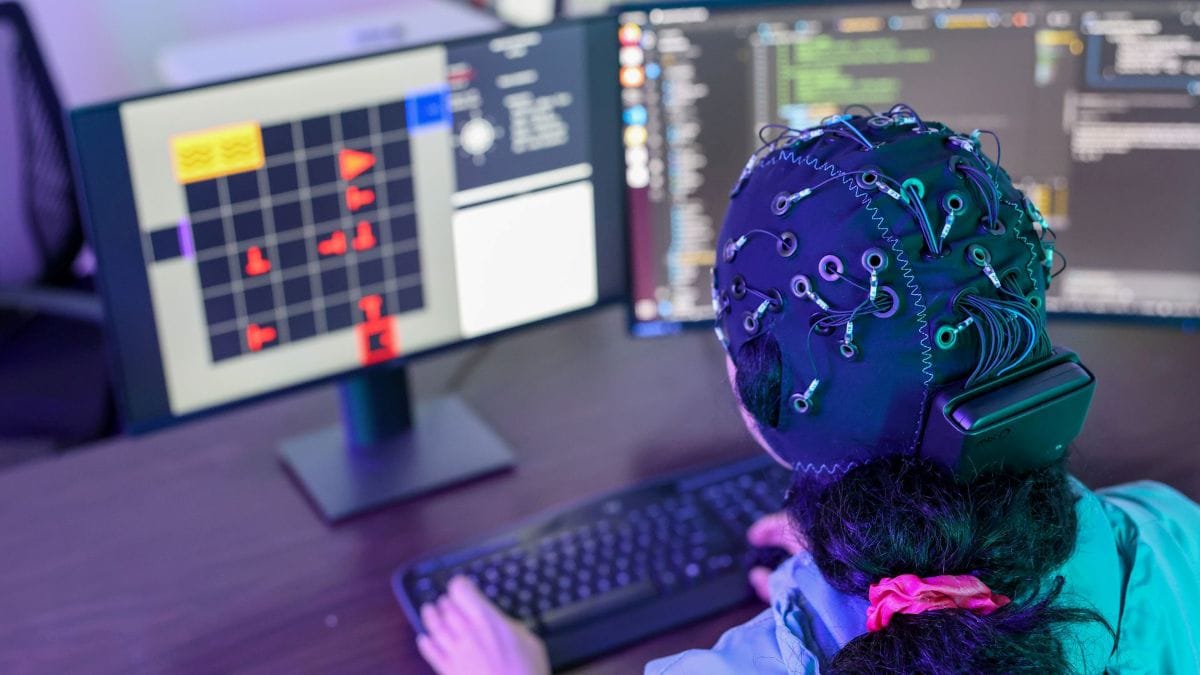
Researchers at Oklahoma State University have developed an innovative EEG system that enables robots to read brain signals, allowing them to react to potential errors nearly 300 milliseconds before humans can. This groundbreaking technology captures “Error-related Potentials,” which are signals from the brain that indicate something has gone wrong.
By utilizing wearable EEG caps, the system allows robots to adjust their behavior in real-time—slowing down or halting tasks based on mental feedback. The integration of mathematical safety rules ensures that robots accurately interpret these signals, minimizing the risk of mishaps in unpredictable environments.
As this neuroadaptive control system paves the way for applications in prosthetics, smart homes, and beyond, it marks a transformative shift in human-machine collaboration. Imagine a future where your subconscious becomes a safety net, empowering robots to act based on your instincts.

In a chilling tale of online grooming, Marie and Dan share their daughter's heartbreaking experience after being deceived by a predator posing as a young boy. At just 12 years old, their daughter fell victim to manipulation and threats, leading her to send nude images in fear for her family's safety.
This disturbing case sheds light on the urgent need for better protections against online exploitation of children. A groundbreaking report indicates a troubling trend, revealing that many offenders were exposed to such material in their childhood, exacerbating the crisis.
With over 20,000 anonymous responses from perpetrators, experts note that access to child sexual abuse material has become alarmingly easy. Marie and Dan are calling for stronger government action to combat this issue.
As authorities ramp up efforts to safeguard children online, the urgency of this crisis cannot be overstated, emphasizing the critical need for awareness and prevention strategies.

In an era increasingly shaped by artificial intelligence, the evolution of military operational thinking faces significant challenges. Authors Anders McD Sookermany and Thomas Slensvik address the growing unease in military planning, as traditional frameworks clash with the complexities of modern warfare.
Their commentary expands upon Marco Lyons’ concerns regarding a perceived decline in operational art, highlighting the tension between various traditions of operational thought. They argue that as AI becomes more integrated into military strategies, it risks amplifying certain analytical approaches while sidelining others that rely on nuanced judgment and adaptability.
This situation underscores the importance of recognizing conflicting operational ideologies and fostering professional awareness among military planners. As AI systems influence decision-making processes, the authors advocate for a broader understanding of operational art—encouraging planners to transcend rigid templates and engage with evolving realities on the battlefield.
Acknowledging this dynamic will be crucial for maintaining effective human agency amid rising technological influence.

Uber is shaking up the future of transportation by partnering with Rivian to create a fleet of autonomous robotaxis, with a deal potentially worth up to $1.25 billion.
Kicking off with a $300 million initial investment, Uber plans to purchase 10,000 self-driving R2 SUVs to hit the roads in San Francisco and Miami by 2028, with further options for 40,000 more starting in 2030. While this ambitious venture is set to revolutionize ride-hailing in 25 cities by 2031, it comes with challenges—Rivian’s R2 SUV is still in development, and its autonomous technology is untested.
Rivian's CEO, RJ Scaringe, remains optimistic, pushing hard for advanced capabilities. As Uber seeks to secure its place in the autonomous vehicle arena, this move positions both brands at the forefront of a pivotal shift in how we think about transportation.

The genealogy craze is sweeping the U.S.
, with millions exploring their roots through DNA kits and online platforms, creating a $5 billion industry. While this journey into the past can be deeply enriching, there's a darker side: the personal data shared can be a goldmine for scammers.
Details like full names, birth dates, and family connections, often found in public trees, can lead to identity theft and impersonation scams. For instance, information might be used to answer security questions or craft believable desperate pleas from "relatives.
" As one person's data leaks, entire families become vulnerable. Privacy settings may help, but they don't eliminate the risk.
To continue enjoying genealogy safely, experts suggest limiting what you share online, and consider using data removal services to protect your personal information. Ultimately, you can trace your ancestry while also preventing your family history from becoming a roadmap for scammers.