- TECHSWU
- Posts
- TechSwu
TechSwu

TECHSWU
December 18, 2025


The Paradise Valley Police Department is stepping into the future by adopting advanced artificial intelligence tools from Axon Enterprises to streamline their operations and enhance community safety. At a recent town council meeting, Police Chief Freeman Carney unveiled plans for the $950,000 contract aimed at optimizing police response times and communication.
The cutting-edge AI products, including the Prepared 911 program, will enable real-time transcription, translation, and caller video sharing, allowing dispatchers to relay crucial information to officers swiftly. By integrating these technologies, the police department aims to reduce paperwork and improve overall efficiency, making it easier for law enforcement to connect with the public and address incidents more effectively.


In the latest buzz from Cowboy State Daily, December 18, 2025, there's a growing concern about artificial intelligence spiraling out of control. People are questioning the implications of unchecked AI development, as experts and enthusiasts alike grapple with the rapid advancements in technology.
Meanwhile, the day's headlines also include record-breaking wind gusts in Wyoming and a controversial auction of a “House from Hell” previously plagued by deadly mold. Amid these gripping stories, Wyoming residents are voicing their frustrations over local school issues that have taken center stage.
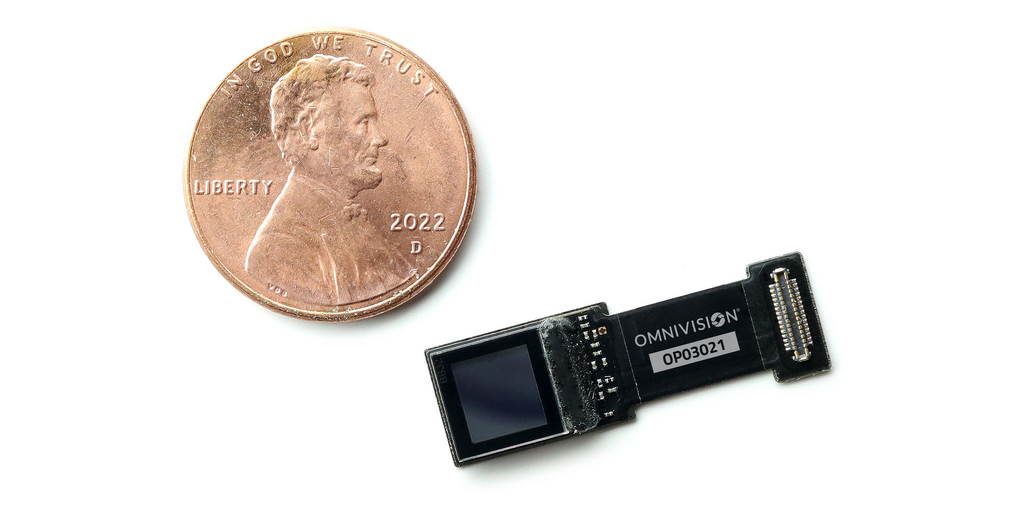
OMNIVISION has unveiled a groundbreaking innovation in microdisplay technology: the OP03021, the industry's first ultra-low-power single-chip full-color sequential microdisplay specifically designed for next-generation smart glasses. This compact 0.
26-inch LCOS panel boasts an impressive resolution of 1632 x 1536 at 90 Hz, delivering a wider field of view and a more immersive augmented reality (AR) experience. OMNIVISION emphasizes the importance of low power consumption and size in enhancing the comfort and aesthetic appeal of smart glasses, which are poised to become a significant player in consumer tech, comparable to smartphones.
With a smaller pixel size and an integrated design, the OP03021 will go into mass production by mid-2026, making it a pivotal development for future smart eyewear. As smart glasses gain momentum in the market, OMNIVISION is excited to contribute to their evolution alongside leading designers and manufacturers.

Meet Spot, the robotic dog from Boston Dynamics, making waves at Sault College! This four-legged tech marvel isn't just a quirky student recruitment tool; it's a hands-on learning asset for aspiring engineers. Spot helps students with innovative projects, like inspecting equipment in unsafe environments, making it a game-changer in tech education.
As robotics continues to transform industries, from agriculture to nuclear power, Sault College equips students with essential skills for the evolving job market.
With a growing demand for robotics expertise, grads find exciting opportunities, whether in local companies or far beyond.
Students like Abbi Benka are harnessing their passion for design and technology, setting their sights on careers in fields such as surgical robotics.
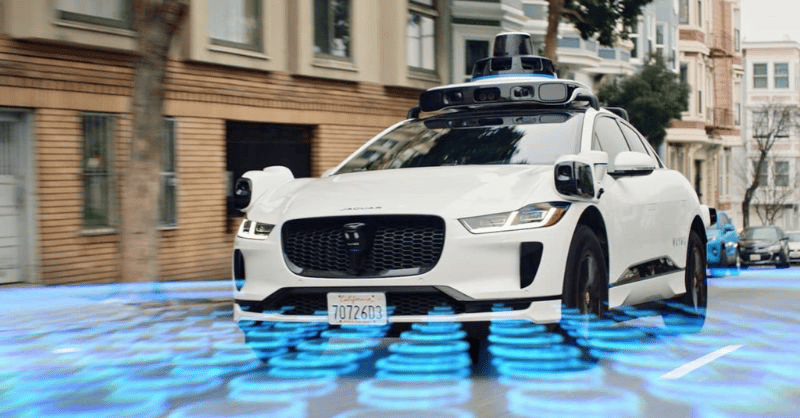
Waymo, Alphabet's ambitious autonomous driving venture, is setting the stage for a potential $15 billion funding round that could catapult its valuation to an impressive $100 billion. As it gears up for this significant capital boost, Waymo is already reaping the rewards of its extensive robotaxi operations, reporting an annual revenue run rate exceeding $350 million.
This new investment comes at a crucial time, as Waymo solidifies its leading position in the driverless vehicle landscape, recording more fully driverless miles and gaining regulatory approvals than any of its competitors, including Tesla. With plans to expand its commercial services further into new cities, Waymo is showcasing its evolution from a costly project to a formidable player in the autonomous market, proving skeptics wrong and offering a glimpse into the future of transportation.

Elon Musk's xAI is encountering challenges in selling its Grok AI tools, primarily due to a lack of enterprise sales experience compared to industry giants such as Google and OpenAI. Currently, most customers are running limited trials of Grok, with larger corporations hesitant to commit without a proven track record.
Reports suggest that xAI is largely relying on existing relationships, making it tough to attract new clients. In a bid to expand its market, xAI has integrated Grok into platforms like Microsoft's Azure AI Foundry and is promoting subscriptions via Amazon's Marketplace.
Collaboration with clients like Palantir showcases some progress, yet many companies still prefer more established AI solutions. Additionally, xAI faces restrictions in collaboration with Musk's other ventures, like SpaceX, due to national security regulations affecting its largely non-US engineer workforce.
As xAI works to break into the enterprise market, it remains to be seen if it can gain the trust of larger businesses.

Pre-K teachers in the U.S.
are cautiously approaching the use of generative artificial intelligence (AI) in their classrooms, with only 29% incorporating these tools, compared to larger adoption rates among K-12 educators. The hesitance primarily stems from concerns about the developmental appropriateness of AI for young children, with fears that technology may limit social interactions and essential communication skills.
Interestingly, while many pre-K teachers regularly use other forms of technology, like interactive whiteboards and digital communication platforms, there is skepticism about AI's utility in their specific teaching roles. Teachers acknowledge the potential benefits of AI in enhancing instructional planning and addressing diverse learning needs, yet they emphasize the need for careful consideration.
As educators and policymakers navigate this pivotal moment, collaboration and robust training for teachers are critical to ensure that technology meets both educational goals and the developmental needs of young learners without compromising their well-being.
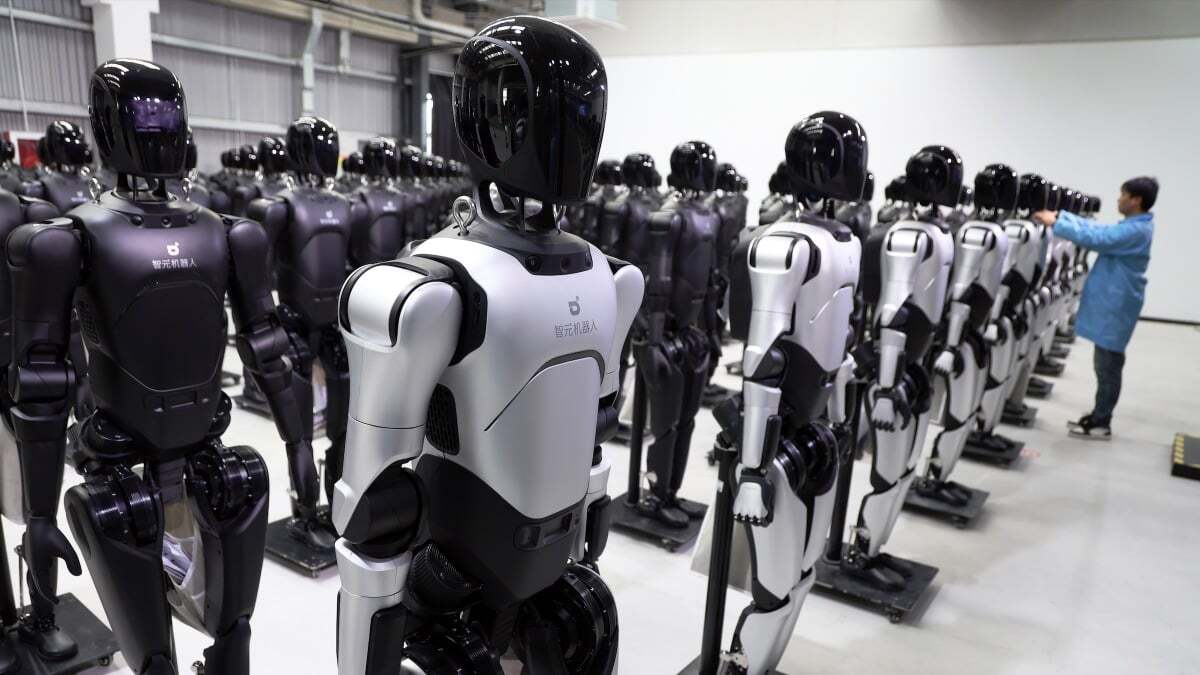
As we look ahead to 2026, the tech landscape is set for some electrifying shifts! This year, artificial intelligence has taken center stage, but next, we can expect a wave of innovations, including AI-powered robots and mainstream foldable phones. Exciting developments are brewing with Apple rumored to unveil its highly anticipated iPhone Fold, which could finally catapult foldables into the limelight.
Meanwhile, smart glasses are making a comeback, promising a blend of augmented reality with everyday life—though skepticism remains about their acceptance.
Humanoid robots will also capture our imagination, with models designed to be companions and household helpers hitting the market.
However, the journey to true AI breakthroughs like AGI is still a dream away.