- TECHSWU
- Posts
- TechSwu
TechSwu

TECHSWU
January 23, 2026


The recent US-TikTok deal marks a significant shift in the global tech landscape, especially for China’s ByteDance. Originally facing potential bans in the US due to data privacy concerns, TikTok has navigated a turbulent path that now sees it separated from its parent company in a new consortium led by Oracle.
While ByteDance retains a stake and access to American users, it loses control over TikTok's algorithm, which could fundamentally alter the app's highly addictive nature. This compromise highlights the tougher terrain for Chinese tech firms amid rising geopolitical tensions.
As ByteDance adapts its strategy, the effects may ripple through advertising and content creation, affecting how users engage with the platform. The deal stands as a blueprint for how other Chinese tech companies might maneuver in the global market, perhaps reshaping the way technology is governed across borders.

In the battle of flagship smartphones, the iPhone 17 and Google Pixel 10 are vying for your attention, each offering compelling features. Starting at $799, the iPhone 17 edges out with its base model boasting 256GB of storage compared to Pixel 10's 128GB.
Both devices sport vibrant 6.3-inch displays and an adaptive 120Hz refresh rate, but Apple’s latest also boasts impressive camera specs, notably launching an 18MP selfie camera.
On the flip side, the Pixel 10 offers an added telephoto lens for enhanced zoom capabilities. Performance-wise, Apple usually leads with its A19 chip and both phones promise around 30 hours of battery life.
Yet, while design similarities exist, each has unique color options to entice buyers.


The AI-RAN (Artificial Intelligence-Powered Radio Access Network) market is on the fast track to growth, projected to surge from $150 million in 2024 to a dazzling $816.04 million by 2032, driven by a robust CAGR of 23.
75%. This momentum is propelled by telecom operators rapidly deploying 5G and prepping for the next-gen 6G technology.
By integrating AI into RAN architecture, companies can optimize traffic management, enhance energy efficiency, and advance automation, perfectly catering to the soaring demand for high-performance wireless connectivity. The Asia-Pacific region stands out, capturing 30% of the market share, while industry giants like NVIDIA, Nokia, and Samsung lead the charge in innovation.
Nonetheless, hurdles such as high implementation costs and interoperability challenges remain, highlighting the need for strategic solutions as AI-RAN emerges as a key player in shaping the future of intelligent wireless networks.

DJI, the powerhouse of the drone industry, is facing a challenging landscape marked by increased US tariffs and scrutiny. As it navigates these turbulent waters, a wave of ‘clone’ devices has cropped up, raising eyebrows and speculation.
The latest contender, the Xtra ATTO, is set to launch in the US, showcasing a design eerily similar to DJI’s Osmo Nano. With reports revealing that this and other Xtra devices sport components reminiscent of DJI's lineup, questions arise about whether these products are an attempt to sidestep trade barriers and keep popular gadgets available in the US market.
The Xtra team touts itself as a fresh, independent start-up, but the overlap in technology has led many to wonder about the true nature of these new brands. As DJI battles competition and regulatory challenges, the emergence of these clones adds another layer of intrigue to the high-stakes world of tech and trade wars.

As AI advances into the physical realm, experts warn that Canada may be falling behind in the robotics race. With the global robotics market projected to reach $111 billion by 2030, rapid innovations are enabling robots to take on increasingly sophisticated tasks, from warehouse work to package delivery.
Notably, China is emerging as a leader, installing over half of the world’s industrial robots and outpacing Canada, which currently ranks 13th in operational stock. Industry insiders argue that Canada needs its own national robotics strategy, akin to those in countries like China and South Korea, to boost adoption and remain competitive.
Obstacles, including a lack of familiarity with robotic technology and regulatory hurdles, prevent many Canadian companies from fully harnessing robotics' potential. If action isn't taken soon, Canada risks missing out on the transformative benefits that robotics and AI promise for the future.
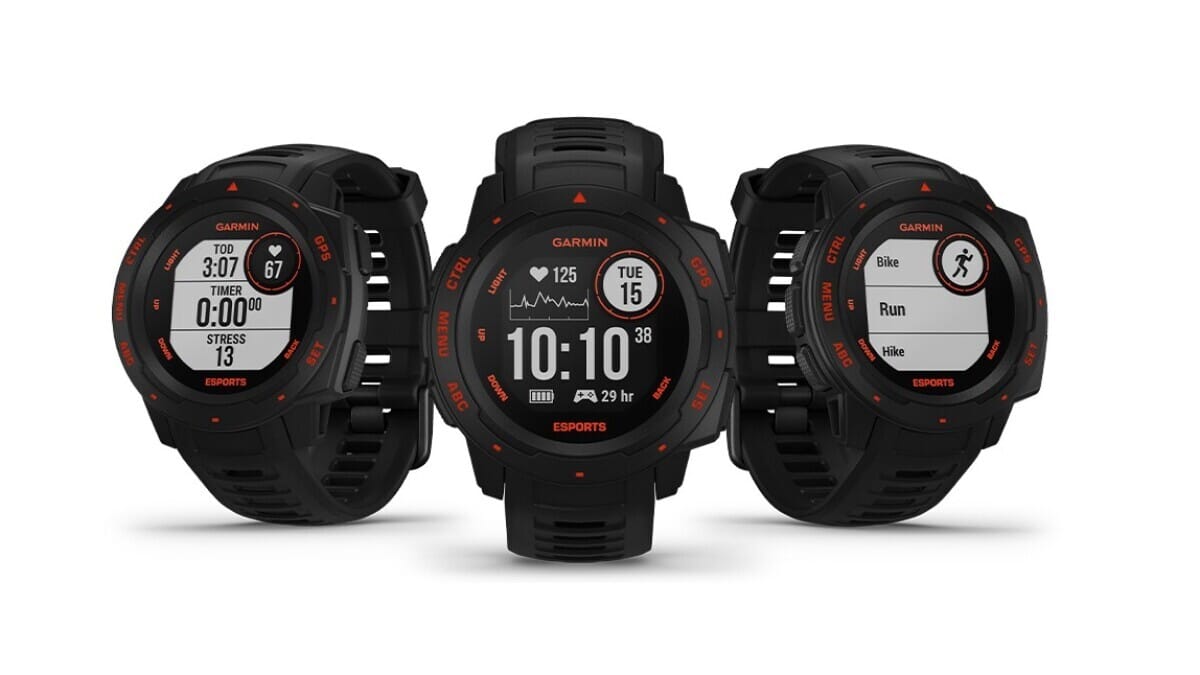
Garmin is shaking up the esports scene with its new Instinct Esports Edition smartwatch, designed specifically for gamers. This innovative device goes beyond standard fitness tracking by enabling players to livestream their biometric data—such as heart rate and stress levels—directly to fans during gameplay.
As Garmin’s vice president of sales, Dan Bartel, puts it, this watch allows esports athletes to monitor their body's response to high-pressure competition in real-time. The watch retains all the essential features of the original Instinct, including sleep monitoring and energy tracking, all housed in a rugged design reminiscent of classic Casio models.
Available now for $299.99, the Instinct Esports Edition combines advanced technology with a sleek, gamer-friendly interface, setting a new standard for performance tracking in the digital sports arena.

Excitement is building around the upcoming iPhone 18 Pro series as design speculations heat up! Leaks suggest Apple may stick with a familiar front camera layout, featuring a centrally positioned pill-shaped cutout—debunking earlier rumors of a shift to the top-left corner. This design choice not only sustains a sleek aesthetic but also ensures seamless Face ID functionality.
Additionally, Apple seems to be pushing for innovative under-display Face ID components, hinting at a reduced Dynamic Island while maintaining its effectiveness. Display enhancements are on the way too, promising a stunning 6.
27-inch screen for the Pro and a larger 6.86-inch model for the Pro Max, each boasting a smooth 120Hz refresh rate.
As details unfold, Apple's latest flagship is set to shine brightly despite the cloud of speculation surrounding its design.