- TECHSWU
- Posts
- TechSwu
TechSwu

TECHSWU
February 18, 2026

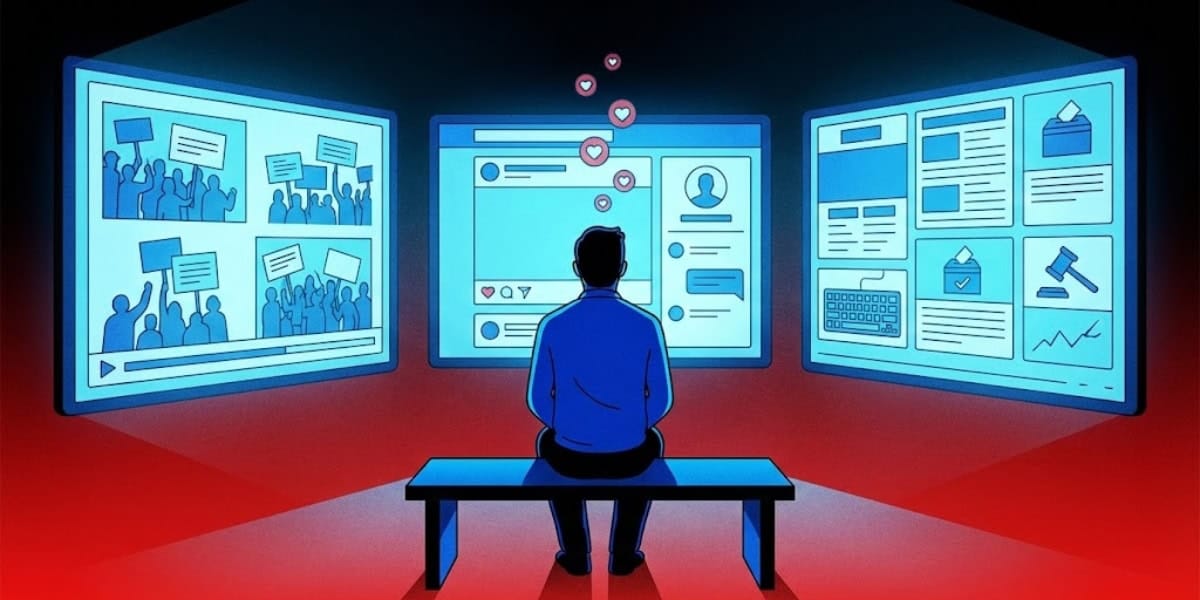
Meta is once again facing scrutiny over privacy concerns as reports surface about its plans to incorporate facial recognition into AI-driven smart glasses. This feature aims to enhance connectivity for users by identifying faces in real-time, but critics worry it might expand the company’s already extensive biometric data collection.
Internal communications suggest Meta could roll out these tools during politically charged times, possibly avoiding public backlash. Although framed as optional, the introduction of continuous biometric scanning raises alarms among privacy advocates, especially since many non-users might be affected without consent.
Meta's controversial history with user data—from emotional manipulation experiments to aggressive tracking practices—gets renewed spotlight. The potential for misuse mirrors broader global issues with facial recognition technologies.
As Meta navigates regulatory challenges and mounting civil society concerns, the tech giant’s next move remains uncertain, but many are watching closely.

Excitement is building as Samsung gears up to unveil the Galaxy S26 series, promising an exceptional camera experience powered by innovative AI tools. Set to launch on February 25, 2026, this flagship lineup introduces smart editing capabilities that will revolutionize content creation.
Imagine transforming a sunny snapshot into a night scene, seamlessly merging multiple photos, and restoring missing details—with just a few taps! Samsung's unified platform streamlines the creative process, making it accessible to everyone, regardless of technical skill. The Galaxy S26 Ultra is anticipated to feature a stunning 200MP main sensor with an impressive f/1.
4 aperture for even better low-light photography. With the focus on enhancing user creativity while leveraging powerful hardware, the Galaxy S26 series promises to redefine mobile photography.

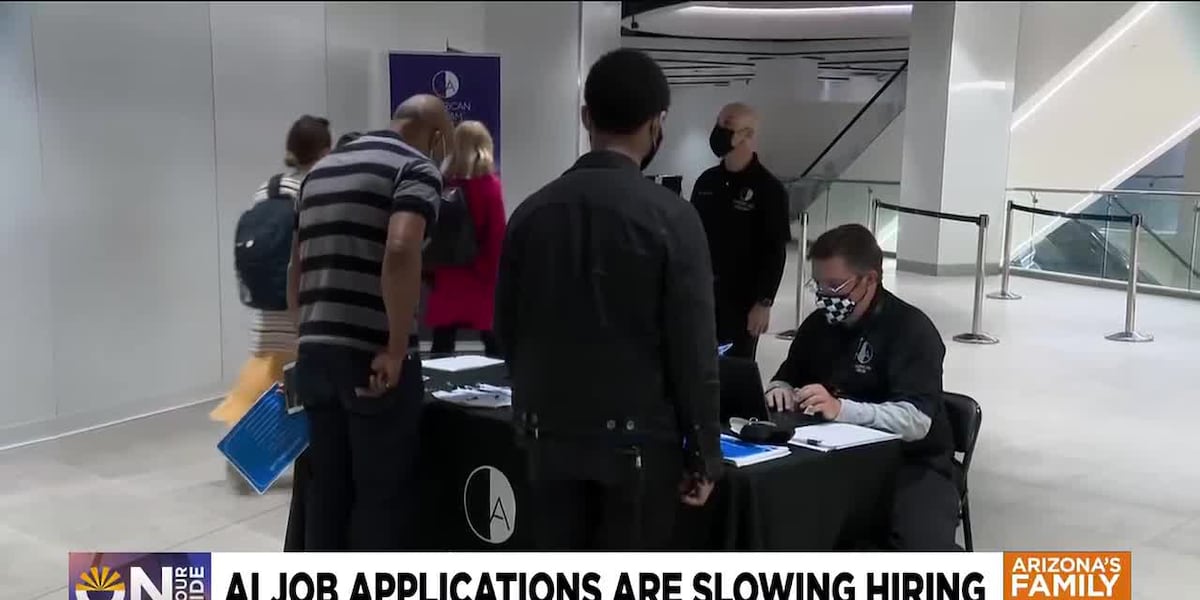
In a world where speed is paramount, artificial intelligence is ironically dragging the hiring process down. While job seekers are turning to AI-generated resumes to enhance their chances, recruiters are overwhelmed by a flood of similar applications that lack individuality.
This trend is making it harder for standout candidates to emerge, as hiring managers struggle to sift through the noise. Experts suggest that instead of rushing with tech tools, candidates should focus on showcasing their unique qualifications and experiences.
With the right approach, applicants can cut through the AI-generated clutter and grab the attention of potential employers. As the job market continues to evolve, embracing authenticity might just be the winning strategy amidst the chaos of AI influence.

YouTube has swiftly addressed a significant streaming disruption that left users worldwide unable to access its services. The hiccup, caused by a glitch in its recommendation system, led to over 320,000 user reports from the U.
S. alone, as tracked by Downdetector.
The outage affected viewers not just in the U.S.
, but also in countries like India, the UK, Australia, and Mexico. However, in a relief to many, YouTube confirmed that normal service has been restored across all its platforms, including YouTube.
com, the app, and YouTube Music. A spokesperson assured users that the issue is now resolved, bringing an end to the streaming frenzy.

In the latest tech landscape shake-up, a staggering $2 trillion has been wiped from the software market, igniting what industry experts are dubbing the "SaaSpocalypse." As AI technology accelerates, old business models face scrutiny, with firms being forced to rethink their competitive moats.
The rise of groundbreaking companies like Anthropic—raking in a jaw-dropping $30 billion in new funding—shows just how critical it is to adapt or risk obsolescence. Meanwhile, major corporations face significant stock declines, as confidence in tech shifts and the specter of mass white-collar unemployment emerges.
But it's not all doom and gloom; the Tech Buzz proposes a framework for businesses to become "unsloppable" by emphasizing that mere proprietary technology isn’t enough anymore. Companies must leverage unique network effects and understand their true position amidst an AI-driven evolution.
It’s a pivotal moment—one filled with both challenges and unprecedented opportunities in the rapidly shifting tech world.

Exciting news for audio enthusiasts! Sony's highly anticipated XM6 earbuds are making waves with a recent leak detailing their potential specs and price. Set to debut this week, these earbuds are rumored to come with a hefty price tag of $329.
99. But for serious sound lovers, the investment may be worth it.
Equipped with the impressive new QN3e processor—three times faster than the previous model—these earbuds promise superior sound quality. With enhanced speakers, eight adaptive microphones, and features like 360-degree audio and improved airflow, the XM6 are designed for an immersive listening experience.
Sony has been on a roll with its audio offerings, and if the XM6 lives up to the hype, they could solidify the brand's reputation for excellence.

In a rapidly evolving landscape, the private jet charter market is now looking to artificial intelligence (AI) as a potential game-changer. In a recent podcast, Tuvoli's Greg Johnson discussed how AI could streamline operations by reducing cognitive load and enhancing decision-making, yet cautioned against the common pitfalls of misunderstanding its capabilities.
Instead of solving core issues like guaranteed availability and accurate pricing, AI should focus on improving data management and identifying trends. Johnson emphasizes that while automation has increased efficiency, it often masks deeper problems in understanding booking behaviors.
Ultimately, he suggests that AI should be viewed as a supportive tool that enhances human judgment rather than a replacement, advocating for a disciplined approach that prioritizes clarity and foundational processes before fully embracing AI's potential. In a nutshell, AI can simplify operations, but it won't correct the industry's historical flaws without proper context and expertise.