- TECHSWU
- Posts
- TechSwu
TechSwu

TECHSWU
April 08, 2026


In the latest episode of "Class Disrupted," Summit Public Schools leaders Cady Ching and Dan Effland unveil their exciting evolution to an AI-native education model called "Summit 3.0.
" They stress the importance of clarity in educational outcomes and thoughtful technology integration, championing a philosophy that blends holistic education with robust tech infrastructure. Rather than replacing traditional school models, AI is seen as a tool to highlight their effectiveness.
The discussion also covers the successful Expeditions program, which immerses students in real-world career experiences. Aiming for personalized, meaningful learning, Ching and Effland invite community input in "dreaming sessions" to reimagine education.
With a legacy of serving over 100,000 students through personalized learning in Summit 2.0, they're now set on leveraging AI to enhance resource allocation while maintaining essential community ties, underscoring their commitment to preparing students for fulfilling lives.

The article from The Motley Fool dives into the ongoing AI correction, highlighting how it’s distinguishing the winners from the losers in the stock market. While many tech stocks enjoyed a meteoric rise due to the AI boom, factors like inflation and geopolitical tensions are causing a pullback, presenting a pivotal moment for investors.
Key players like Nvidia, Broadcom, and Lumentum are set to thrive by providing crucial infrastructure for AI, making them smart buys. In contrast, smaller software companies such as C3.
ai and BigBear.ai are struggling amidst stronger competition from tech giants investing heavily in AI.
The piece emphasizes that savvy investors must navigate this unpredictable landscape by focusing on where the capital is flowing, ensuring they back the future leaders of the AI industry while avoiding those likely to get overshadowed.

Google Maps is stepping up its game with a fresh update that harnesses the power of Gemini AI to enhance photo reviews! Now, when users upload images alongside their reviews, Gemini suggests smart, context-aware captions to make sharing experiences faster and more engaging. Say goodbye to the hassle of crafting captions manually, as users can easily edit or discard suggestions to keep their unique voice intact.
Currently available for iOS users in the U.S.
, this feature promises to roll out globally, including Android devices soon. Alongside these AI-driven improvements, Google Maps has streamlined the photo upload process and revamped the Contribute tab to help users track their contributions better.
With gold profile indicators for active contributors, Google aims to foster a vibrant community of reviewers.
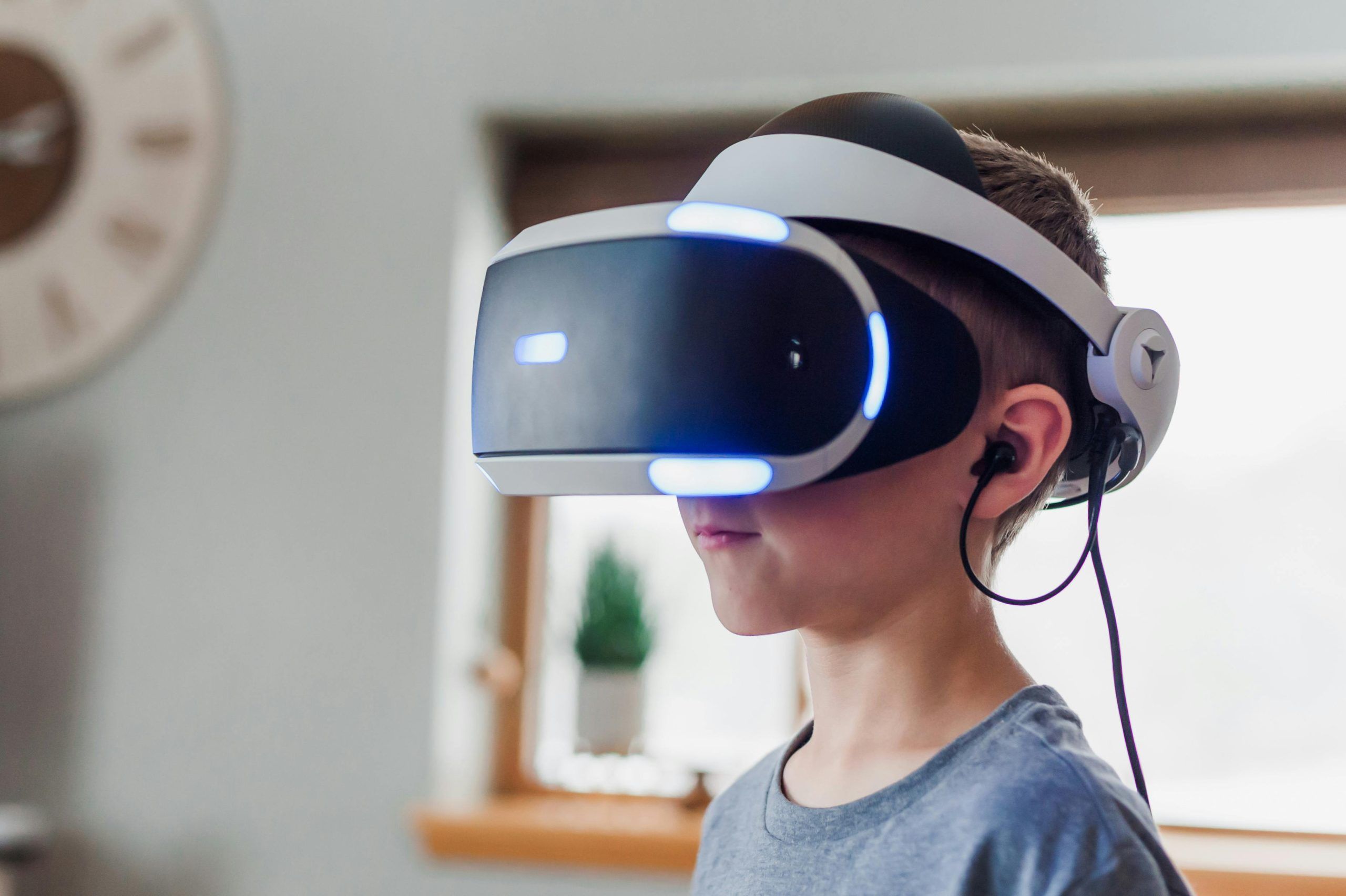
Despite incredible advances in medical technology, there remains a substantial gap in innovations designed specifically for children's healthcare. A staggering 0.
5% of FDA-approved orthopedic devices are tailored for children, with only 2% of approved AI medical devices in radiology labeled for pediatric use. This oversight exists even though children represent about 20% of the UK's population.
Recent statistics reveal that merely 5% of the UK's national research budget is allocated to pediatric studies, and funding for children's services took a significant hit from 2010 to 2022. To address this pressing issue, the NIHR HealthTech Research Centre and Innovate UK are launching a survey to uncover the barriers that hinder medical tech companies from investing in pediatric innovations.
As Professor Paul Dimitri emphasizes, overcoming these obstacles is vital to ensuring equitable healthcare technology development for young patients.
Apple Inc. is marking an impressive 50 years as a technological powerhouse, celebrating its anniversary in April 2026.
With a staggering market cap of over $4 trillion, Apple has evolved from its humble garage beginnings to become a global icon that reshaped the tech landscape. The company's journey is a hallmark of innovation, merging cutting-edge technology with an unwavering focus on user experience and design.
From the early Macintosh to the revolutionary iPhone, Apple consistently pushes boundaries, paving the way for advancements in consumer tech. As it embraces the future, the company’s commitment to harnessing emerging technologies like artificial intelligence will be pivotal for maintaining its leadership.
This milestone serves not just as a celebration of past achievements but also as a beacon of what lies ahead—promising further transformation in how we interact with technology.
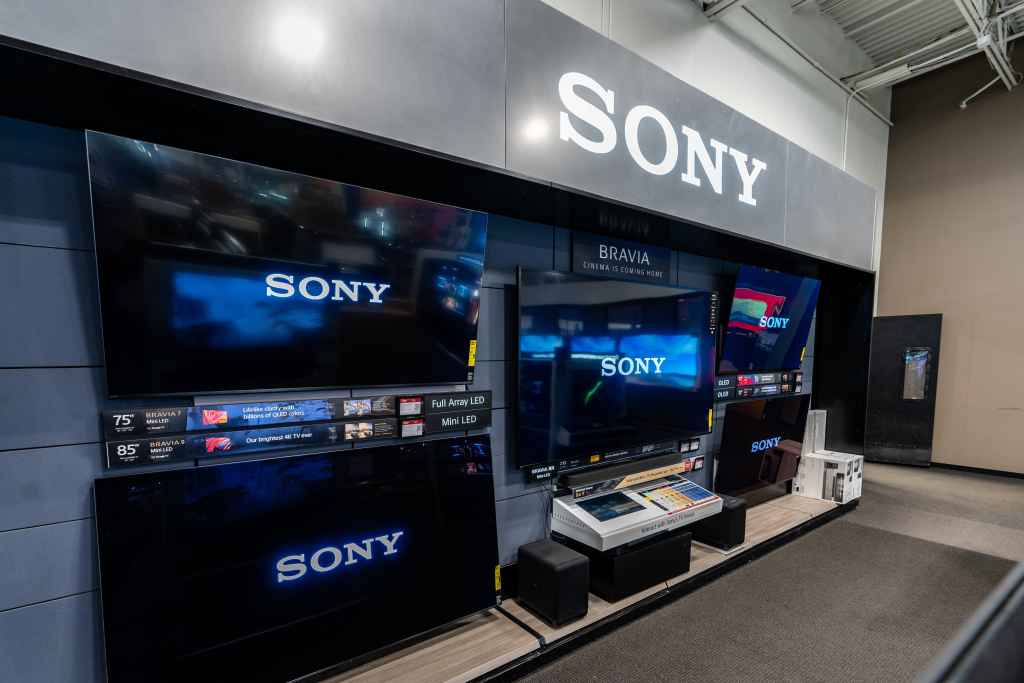
Exciting developments are underway as Sony and TCL reveal their strategic joint venture, BRAVIA Inc, aimed at transforming the home entertainment landscape. Announced in January 2026, this partnership seamlessly combines the strengths of both companies to enhance manufacturing, branding, and product offerings in the global market.
BRAVIA Inc will encompass an array of consumer electronics, including televisions, audio systems, and B2B displays, while leveraging Sony’s existing manufacturing capabilities in Malaysia and China. Despite TCL holding a 51% stake, Sony executives will lead the company from Tokyo, ensuring a strong identity tied to the beloved Sony and BRAVIA brands.
While the venture signifies a pivotal shift for Sony, especially following the closure of its Afeela automobile project with Honda, it opens doors for innovative products and collaborations. As we look ahead, the merging of these tech titans promises to keep both history and innovation alive in the world of entertainment.


The FBI and NSA have raised alarms about increased cyberattacks linked to Iranian hackers targeting critical U.S.
infrastructure. In a joint advisory, agencies including CISA and the Department of Energy emphasized that these state-sponsored actors are exploiting weaknesses in systems essential for water, energy, and local governance.
With concerns about operational disruptions and data integrity, companies are urged to act swiftly. Specific focus is on programmable logic controllers and SCADA systems—key components in industrial operations—amid fears these cyber threats are escalating due to rising geopolitical tensions.
As the situation develops, U.S.
organizations are advised to thoroughly review their cybersecurity measures and adopt proactive strategies outlined in the advisory to mitigate risks. The advisory underscores the urgent need for vigilance as the cyber frontier blurs with physical conflicts, making preparedness essential for safeguarding vital infrastructure.

In 2026, Apple has redefined the smartphone landscape with its revolutionary AI features, moving from gimmicky tricks to essential tools. By integrating generative AI into iPhones, iPads, and Macs, Apple has not only transformed user experience but also set a new industry standard for "Personal Intelligence.
" This shift emphasizes privacy, processing power, and clever functionality, making devices smarter and more helpful. Siri, long criticized for its limitations, has evolved into a context-aware assistant that can seamlessly manage tasks across apps.
Meanwhile, creative tools like Genmoji and advanced photo editing options empower users to express themselves vividly. Apple's focus on on-device processing enhances speed and security, forcing competitors to rethink their strategies.
With transparency at its core—prioritizing user data protection—Apple is not just reshaping how we interact with technology; it’s paving the way for a more integrated, efficient, and intuitive future in smartphones.