- TECHSWU
- Posts
- TechSwu
TechSwu

TECHSWU
December 02, 2025


In a surprising shake-up, Apple’s AI chief, John Giannandrea, has stepped down amidst rising concerns that the tech giant is lagging behind competitors like Google. Transitioning from his role, Giannandrea will continue as an advisor until his retirement next spring, leaving the path clear for Amar Subramanya, a former Microsoft AI executive with experience in developing Google's Gemini AI.
CEO Tim Cook praised Giannandrea's contributions but acknowledged Apple's recent struggles, particularly with their infamous virtual assistant, Siri, and a slow rollout of AI features. Critics point to Apple’s cautious approach as a "second-mover advantage," but being late to the AI game has sparked discontent among users eager for cutting-edge technology.
With Subramanya at the helm, Apple aims to revitalize its AI strategy and enhance user experiences, but only time will tell if this change can restore its competitive edge.


In a rapidly evolving tech landscape, the U.S.
must seize the reins of artificial intelligence leadership to ensure both strategic advantages and global stability. Amid concerns over economic bubbles, the Trump administration's ambitious "Genesis Mission" aims to bolster AI development—drawing parallels to the World War II Manhattan Project.
With the ongoing threat of Chinese technological dominance, America’s proactive stance in AI is vital for safeguarding democratic values and resisting potential misuse by hostile regimes. While some caution that AI poses risks to employment and personal freedoms, the article emphasizes the historical trend of technology transforming work rather than extinguishing it.
By fostering an innovative environment and addressing regulatory challenges without stifling progress, America can solidify its position at the forefront of AI technology. Embracing this opportunity is not just smart business—it's a crucial step for global leadership.

Exciting news for foodies in Leeds! Uber Eats has teamed up with Starship Technologies to deploy autonomous delivery robots in the bustling areas of Headingley, Hyde Park, and Woodhouse. After a successful trial delivering groceries for the Co-op, these innovative six-wheeled robots are now set to whisk your favorite meals right to your doorstep in under 30 minutes, covering distances of up to two miles.
With a track record of nine million deliveries across seven countries, Starship is ready to expand even further, eyeing growth into multiple European nations next year and the U.S.
by 2027. Sarfraz Maredia, Uber's global head of autonomous, highlights this initiative as a glimpse into the future of delivery.
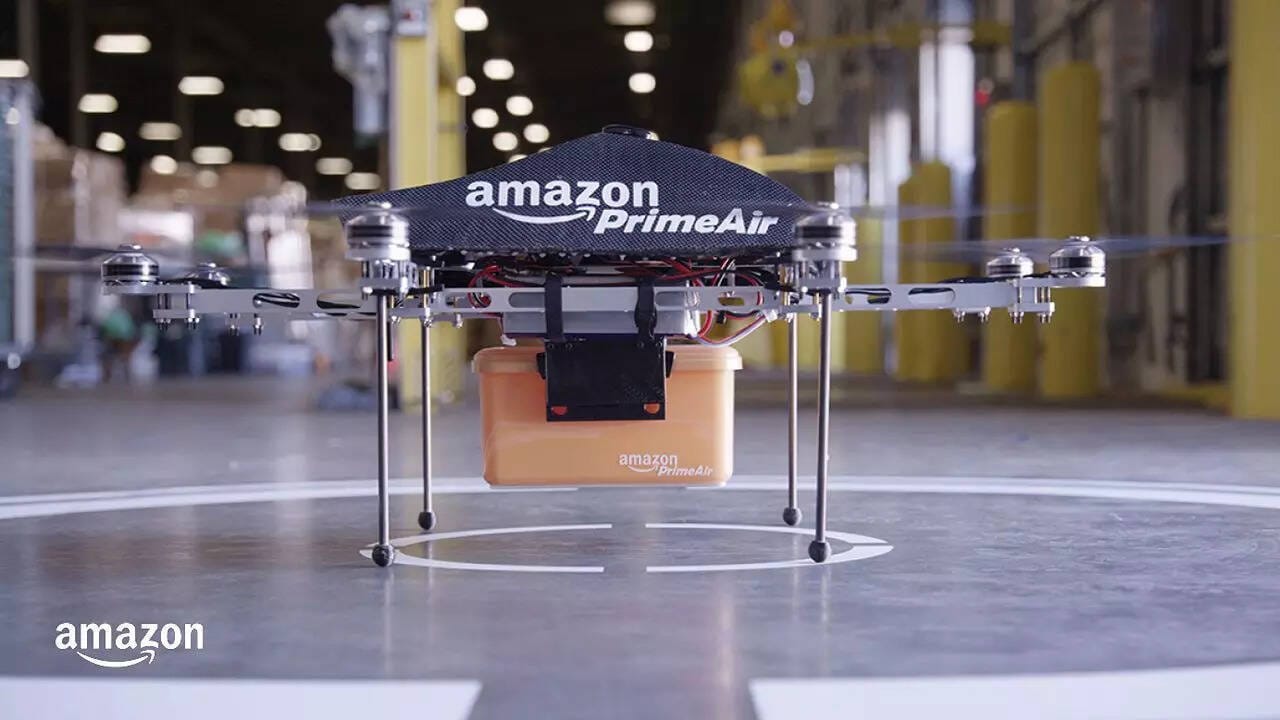
In a bold move, over 1,000 Amazon employees have united in an open letter to CEO Andy Jassy, raising significant concerns about the company’s rapid advancement in artificial intelligence (AI). They argue that this acceleration threatens democracy, jobs, and environmental sustainability, as Amazon prioritizes AI over its climate commitments.
The workers, many directly involved in AI development, demand ethical practices, including the use of renewable energy and greater employee input in AI decisions. They caution against an AI-first approach that could deepen societal inequalities and undermine workers' rights, particularly as Amazon plans substantial layoffs amidst its AI shift.
The letter calls for a reconsideration of corporate priorities, urging Amazon to align its technological ambitions with its moral responsibilities. This collective voice highlights the crucial need for a balanced approach to innovation that safeguards the future of both the workforce and the planet.
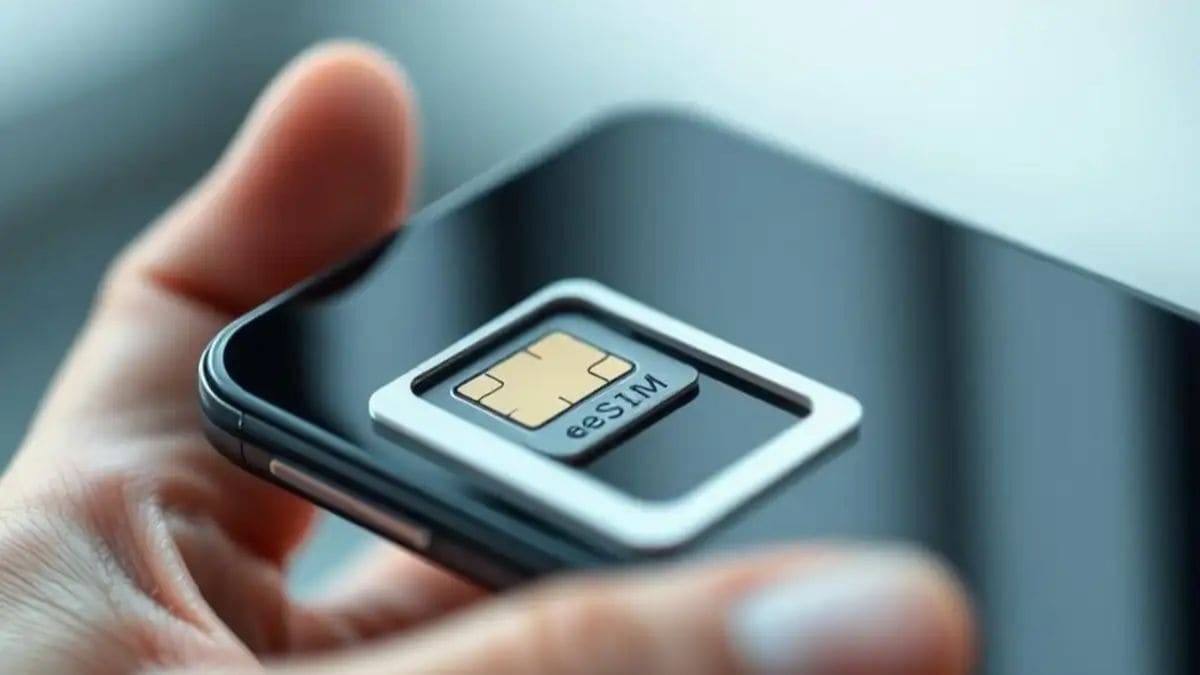
New government regulations in India mandate that messaging apps like WhatsApp and Telegram must continuously verify users' SIM cards to combat rising cyber fraud. Known as SIM binding, this approach necessitates that users’ active SIM cards be linked to their accounts at all times.
While the intention is to reduce unauthorized access and spam, this change poses significant challenges for millions of users who rely on these platforms for convenient communication. For example, if users remove or deactivate their SIM cards, their messaging apps will cease functioning.
This method aims to enhance security by tying communications directly to SIM identities, but concerns remain over its practical implications, particularly for those traveling internationally or frequently switching devices. The directive has garnered mixed reactions from the industry, emphasizing the importance of balancing security with user accessibility amid evolving technological landscapes.

Mindmachines.com has unveiled the third-generation RoshiWave IN-SIGHT Mind Machine, a groundbreaking mental fitness tool that incorporates Dynamic Neuro-Activation technology.
This innovative device helps users effortlessly achieve meditative states in just 15 minutes, thanks to its unique brainwave disentrainment method, which liberates the mind from repetitive patterns instead of forcing it into specific frequencies. With user-friendly RGB LED glasses that offer customizable light patterns, the RoshiWave enhances stress management, cognitive performance, and overall mental wellness.
As wellness practitioners and corporate wellness programs begin to adopt this impressive technology, it's poised to revolutionize how individuals approach meditation and mindfulness. Fred Williams of Mindmachines.
com highlights its potential to help users navigate the mental demands of modern life while boosting peak performance.
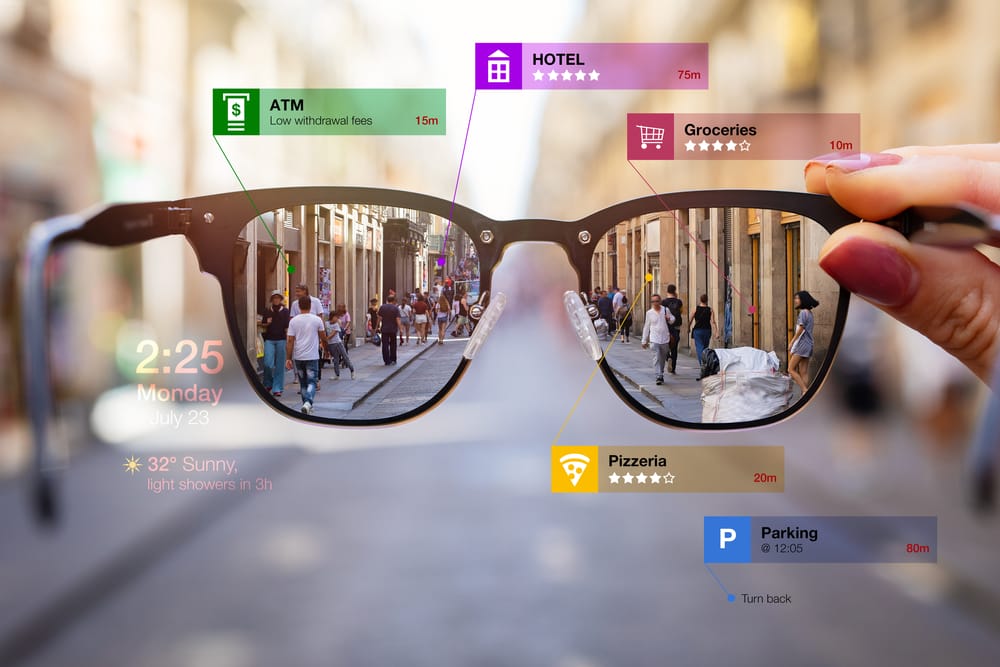
In the vibrant world of wearable tech, gadgets like smartwatches, rings, and AR glasses have transformed into must-have fashion statements rather than mere tools. Once bulky and functional, smartwatches now blend elegance and advanced features, appealing to style-savvy consumers who seek both aesthetic and utility.
Meanwhile, sleek smart rings pack health-tracking power into a discreet design, while AR glasses are becoming everyday accessories with chic looks and augmented capabilities. Exciting collaborations between fashion brands and tech companies ensure these devices resonate with style trends, making them integral to personal expression.
Beyond their tech-savvy functions, these wearables promote wellness in an aspirational way, seamlessly integrating into our lives. As technology and fashion increasingly intertwine, wearable tech emerges as essential, redefining our everyday fashion narratives.
In this future, looking good and staying healthy go hand in hand, making style a key part of functionality.

In a compelling reflection on the impact of artificial intelligence in education, Barth Keck shares his concerns regarding the erosion of student engagement in reading and writing. After 34 years of teaching, Keck observed a troubling decline in students' curiosity, worsened by the advent of AI tools like ChatGPT.
These innovations may simplify tasks, enabling students to outsource their learning without actively engaging with the material. Keck highlights alarming statistics showing a rise in academic dishonesty, with administrators noting increased cheating since AI became mainstream.
He warns that while some institutions embrace AI as a resource, it may hinder students' critical thinking and deeper learning. The article underscores the urgent need for educators to adapt strategies that prioritize genuine learning, even considering traditional methods like handwritten assignments as a countermeasure.
As AI reshapes the educational landscape, Keck’s insights serve as a crucial reminder of the dangers posed to authentic student learning and intellectual growth.