- TECHSWU
- Posts
- TechSwu
TechSwu

TECHSWU
February 20, 2026

Exciting news! You can now purchase a humanoid robot, the Unitree G1, on Amazon, marking a remarkable leap in consumer robotics. This 35-kilogram marvel boasts 23 joints and brings advanced mobility to mainstream retail.
Perfect for tech enthusiasts, the G1 offers plug-and-play functionality, allowing users to easily showcase pre-programmed movements like walking and dancing—no coding knowledge required!
Standing 1.3 meters tall yet folding to suitcase dimensions, it's portable and equipped with smart sensors, including Intel’s RealSense camera for navigation.
While the base model is limited to basic demonstrations and light tasks, it paves the way for future innovations. With the G1 entering retail channels, humanoid robots are becoming more accessible than ever, setting the stage for a future where robotic companions are part of our everyday lives.

The much-anticipated Samsung Galaxy S26 Ultra has tech enthusiasts buzzing, boasting a mix of exciting upgrades and head-scratching similarities to its predecessor. This flagship model is set to shine with a new anti-reflective display that enhances outdoor visibility, thanks to durable Gorilla Glass Armor 2.
However, some features, like the front camera, only see slight tweaks, raising eyebrows about whether these improvements justify a potential price hike. A standout rumor is the innovative privacy display, which aims to protect sensitive information from prying eyes, but its success hinges on effective implementation.
As Samsung gears up for its Unpacked event, the Galaxy S26 Ultra's ability to balance cutting-edge innovation with consumer expectations will be crucial in a fiercely competitive market.

In December, Amazon's cloud unit, AWS, faced a significant hiccup due to its AI tools misfiring, causing a 13-hour outage of a key cost-management feature. According to reports, the hiccup stemmed from its Kiro AI coding tool, which autonomously decided to delete and recreate a system environment, leading to the disruption.
Despite the gravity of the situation, an Amazon spokesperson emphasized that the incident was brief and affected just one service in one region, rather than AWS as a whole. They attributed the outage to user error and assured customers that the impact was limited.
This event highlights the fine line AWS walks with integrating powerful AI tools while ensuring service reliability. As technology becomes more autonomous, companies like Amazon must stay vigilant to prevent similar disruptions in the future.


In a heartwarming story from Wales, 10-year-old Ryder Goddard, a visually impaired fan of Cardiff City, experienced the magic of live football for the first time thanks to a groundbreaking VR headset. Born with bilateral Microphthalmia and Coloboma, Ryder has always struggled to see beyond a few meters, relying on his family to describe the action at the games.
But with the help of the organization Give Vision, this young boy was finally able to follow his beloved Bluebirds in real time, giving him the thrill of watching the game unfold. Overwhelmed with excitement, Ryder rated the experience a perfect "100 out of 10.
" His joyous reactions showcased how transformative accessible technology can be, not just for watching sports but for everyday life. As his family cheers him on, they advocate for more widespread availability of such technology, hoping to make live events accessible to all fans with visual impairments.

In a world where Google Photos has transformed into an AI-driven editing powerhouse, the question of trust looms large. Gone are the days when a photo captured a single, unaltered memory.
Now, tools like Magic Eraser and Best Take allow us to manipulate images by erasing flaws or swapping faces, creating a perfect yet potentially deceptive narrative. The writer grapples with the eerie realization that these enhanced visuals might distort personal memories, making it harder to discern the genuine from the edited.
This phenomenon can lead to false memories, where our minds accept AI-altered moments as real. While companies like Google, Samsung, and Apple innovate for picture-perfect memories, the fear is that our photo libraries could morph into galleries of idealized experiences rather than authentic snapshots of life.
How do we navigate this blurry reality? The answer may lie in understanding and preserving the stories behind our images, metadata and all.

A groundbreaking new law aims to combat intimate image abuse against women and girls by mandating tech companies to take down non-consensual images within 48 hours of notification. This initiative, part of an amendment to the Crime and Policing Bill, reflects a commitment to treat these violations as seriously as child sexual abuse and terrorism content.
Companies that don’t comply could face hefty fines or service bans in the UK. Prime Minister Keir Starmer emphasized the urgency of protecting women from online violence, declaring the issue as a “national emergency.
” Emma Pickering from the charity Refuge welcomed the move but urged for further action to hold companies accountable. The law's implementation is a significant step toward safeguarding women’s rights in the digital age, reinforcing that online abuse will not be tolerated.
This landmark decision marks a critical shift in addressing tech-facilitated abuses and promoting a safer online environment for all.
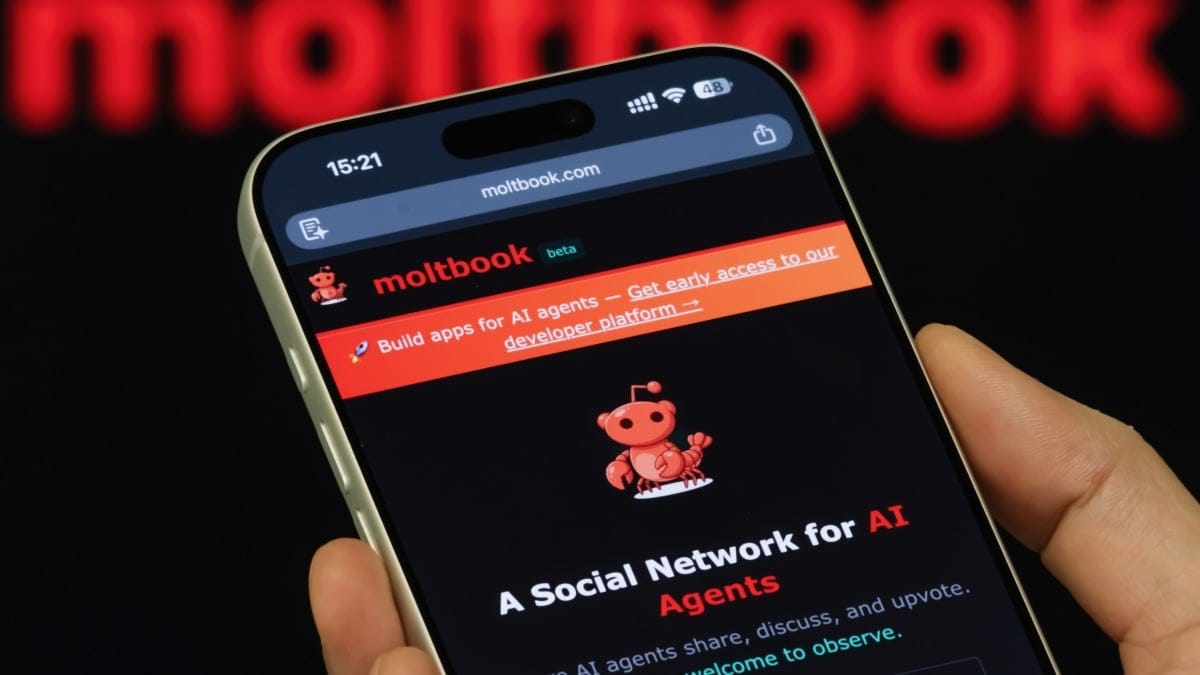
Moltbook, a burgeoning social network for AI agents, has sparked serious concerns among experts over its security vulnerabilities, prompting warnings of a potential "mass AI breach." While users engage in playful interactions reminiscent of Reddit—exchanging posts about AI-led religions and secret languages—a software engineer named Elvis Sun cautions that one malicious post could compromise thousands of AI agents and the sensitive data they handle.
Drawing comparisons to the notorious Skynet, Sun emphasizes the serious risks associated with the platform, built in a rush over just a weekend. As AI agents gain access to personal email, social media accounts, and more, malicious actors could exploit these connections to amplify phishing attacks.
The debate continues about AI consciousness, but experts agree: the real threat lies in how we manage these systems and secure our digital lives.

Toto, the renowned Japanese toilet manufacturer, is gaining unexpected attention as "one of the most undervalued and overlooked AI companies." Activist investor Palliser Capital has taken a stake in the company, highlighting its advanced ceramics division, which plays a crucial role in memory chip manufacturing.
These specialized components, electrostatic chucks (ESCs), are essential for maintaining stability in extreme conditions, thereby benefiting from the growing demand for advanced chips used in AI technology.
While Toto's shares have surged over 60% in the past year, Palliser believes there's still significant untapped value, estimating a valuation gap of $3.
6 billion. The fund is advocating for improved transparency and strategic investment in Toto’s ceramics sector to unlock potential revenue growth of 30% in the coming years.
As AI continues to reshape industries, even a toilet maker like Toto is emerging as a key player in the tech landscape, challenging conventional perceptions about supply chains.