- TECHSWU
- Posts
- TechSwu
TechSwu

TECHSWU
June 18, 2026


Sarah O’Connor’s We Are Not Machines offers a compelling look at how AI is reshaping work—often in unsettling ways. From bland AI-driven translations to workers required to match machine precision, the book exposes how humans are contorting themselves to fit into an AI-dominated world, often losing faith in their own abilities.
O’Connor highlights the danger of silently transforming ourselves in AI’s image while advocating for workers to regain control through collective action and early bargaining. She balances these concerns with stories of positive AI impacts, like safer mining jobs.
Ultimately, the book calls for valuing our human qualities and resisting the dehumanizing impulse of machine-like efficiency. An eye-opening read that urges us to work with AI, not for it, to safeguard our humanity in the future of work.

China is rapidly advancing its AI consumer tech as part of the bold ‘AI Plus’ initiative, designed to weave artificial intelligence into everyday life. Over 70 domestic companies are racing to develop innovative wearables, especially smart glasses like Alibaba’s Qwen Glasses, which feature real-time translation.
Unlike the US, which focuses on top-tier AI models, China emphasizes making AI accessible through integrated ecosystems like WeChat and affordable hardware manufacturing. This strategic move aims to put AI into the hands of as many consumers as possible, transforming China's digital landscape.
With a blend of corporate innovation, trade expos, and robust manufacturing, China is positioning itself as a global leader in practical AI products, setting the stage for a new era of AI-powered daily life. The rapid pace of innovation promises to reshape consumer tech worldwide.


Imagine entertainment anytime, anywhere, happening in real time—that’s the new reality shaped by cutting-edge technology. Today’s screens are buzzing with live sports, music, news, gaming, and even online gambling, all fueled by lightning-fast internet, cloud infrastructure, and mobile devices.
No more waiting months for movies or TV episodes; audiences crave immediate, unpredictable experiences that invite participation and connection. Sports lead the way, offering real-time stats, multiple camera angles, and social media interaction, creating thrilling engagement.
Musicians stream concerts worldwide, allowing fans to connect instantly. News is now instant, often breaking on social platforms before traditional outlets.
Gaming and online casinos have gone fully live, with real dealers and interactive play, reviving the traditional casino vibe. Even education hinges on live, interactive lessons.
The revolution is unstoppable, making real-time entertainment more immersive, personal, and addictive—reshaping how we experience everything on our screens.
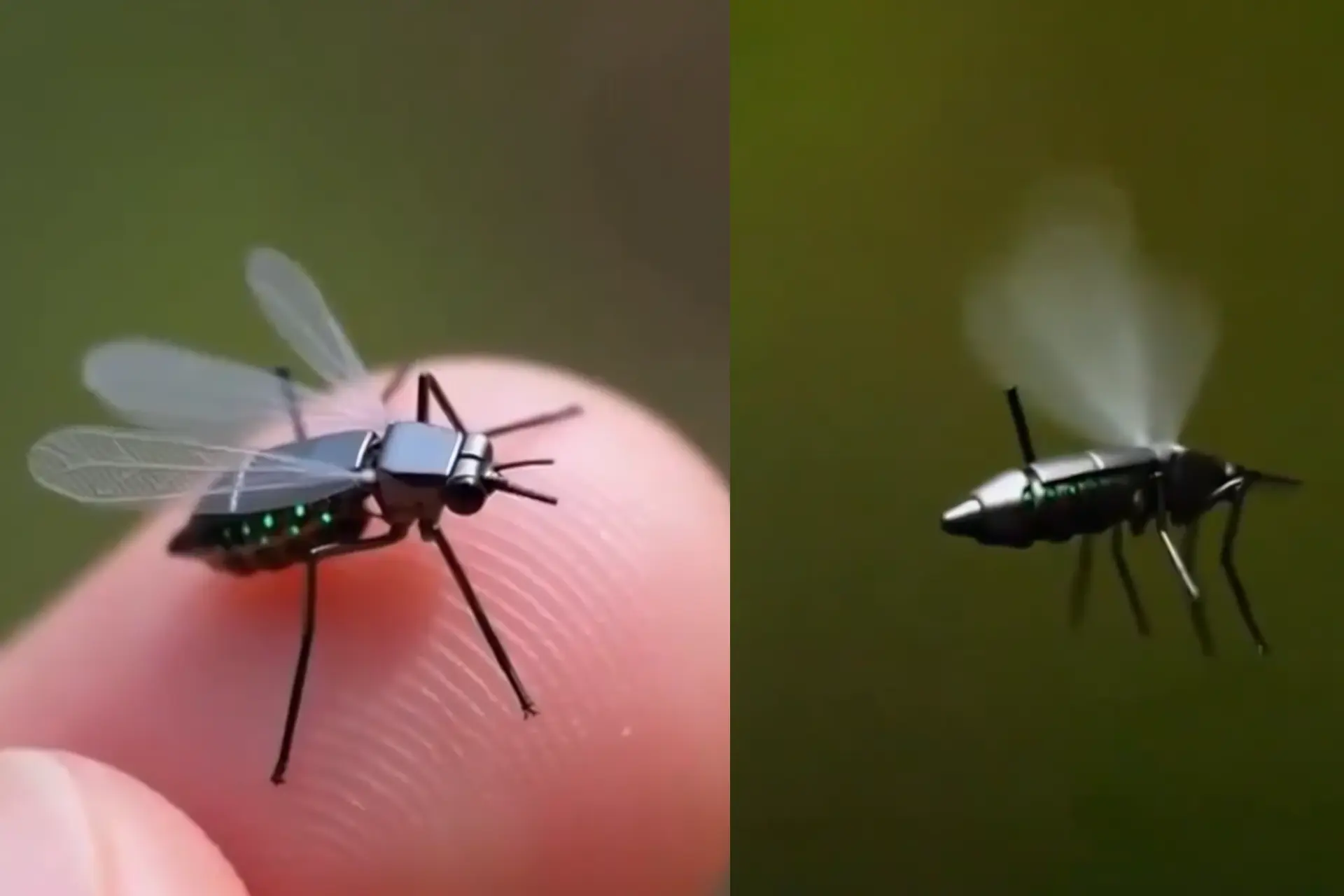
China has revealed a groundbreaking innovation: a micro-drone the size of a mosquito that can buzz, glow, and mimic insect flight. Unveiled by the National University of Defense Technology, this tiny robot weighs less than 0.
3 grams and features leaf-like wings capable of beating up to 500 times per second. Designed for reconnaissance, these miniature drones could revolutionize urban surveillance and military tactics.
While mesmerizing videos and bold claims circulate online, experts warn that many of the dazzling visuals are digital illusions, and real-world capabilities remain limited—power and flight time are still brief. As the U.
S. and China race in micro-drone technology, questions about their practical use and ethical implications intensify.
This tiny tech could quietly change espionage, but for now, it’s more science fiction than sci-fi battlefield, reminding us that nature continues to inspire some of the most astonishing innovations.

The future of diabetes care is shining brighter thanks to innovative blood glucose monitoring devices. From traditional finger-pricks to advanced wearable sensors and smartphone-connected systems, technology is empowering millions worldwide to manage their health proactively.
Continuous Glucose Monitors (CGMs) now offer real-time data, trend alerts, and seamless integration into digital health ecosystems, transforming reactive treatment into personalized prevention. As the market soars from $18.
45 billion in 2025 to over $34 billion by 2034, driven by rising diabetes rates and technological advances, access is expanding beyond healthcare settings to wellness-focused consumers. Governments worldwide are supporting this shift through policies that make devices more affordable and accessible.
With ongoing innovations like AI-driven insights and non-invasive monitoring, the next generation of glucose management tools promises to revolutionize diabetes care, improve lives, and reshape global health landscapes.

A new pilot program at Godby High School in Tallahassee is set to revolutionize school security across Florida. The Campus Guardian Angel employs human-piloted drones, working alongside law enforcement to swiftly respond to active shooter threats—only activated in life-threatening situations.
Teachers can contact authorities via an app, while additional tech scans students for weapons and creates 3D campus models for emergencies. Principal Marcus Scott emphasizes that while he hopes such threats never occur, this cutting-edge technology provides an extra layer of safety for students.
If successful, this innovative approach could reshape how schools across the state manage safety, blending human vigilance with advanced drone technology. With other counties like Broward and Volusia participating, Florida could soon lead the way in high-tech school security measures, ensuring students' safety with smarter, faster responses.

Snap’s new AR Specs promise cutting-edge technology in a sleek design—but there's a catch. While the glasses pack impressive power with dual Qualcomm Snapdragon processors, waveguide tech, and advanced sensors, comfort is a major issue.
CEO Evan Spiegel’s attempts to showcase them left many winching, as the bulky frames pressed uncomfortably on his ears, bending them under the weight. Despite their impressive features like real-time translation, desktop mirroring, and immersive gaming, these AR glasses are still a work in progress.
They look promising but fall short on wearability, hinting that future versions may be lighter and more comfortable. As Snap pushes to perfect AR hardware, it’s clear that the industry is racing toward stylish, lightweight, and user-friendly smart glasses—though the current iteration feels more art than everyday wearable.
The AR revolution is close, but comfort still needs to catch up.