- TECHSWU
- Posts
- TechSwu
TechSwu

TECHSWU
December 05, 2025

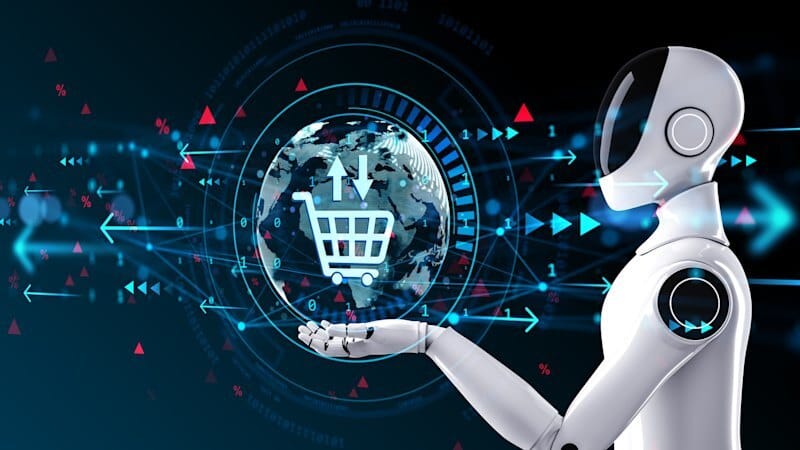
In the rapidly evolving retail landscape, AI has emerged as the essential frontline of customer service, revolutionizing the shopping experience for Australian consumers. A recent study by Klaviyo reveals that a striking 88% of Australians are open to AI managing post-purchase needs, and 62% expect AI-driven support to become standard by 2026.
As consumers turn to AI tools like ChatGPT for product discovery, retailers must adapt or risk losing customers. Surprisingly, many shoppers abandon transactions due to slow or inadequate responses to basic queries, highlighting the urgent need for AI integration.
With the stakes high, especially during peak shopping events like Black Friday, brands can leverage AI to enhance customer care, streamline post-purchase support, and build loyalty. Crucially, transparency and effective human handovers remain key to maintaining consumer trust.
As Marcus Rossato of Klaviyo puts it, “AI is the new benchmark” — adapt now or fall behind.

China is redefining innovation with a unique approach to extreme vertical integration in its research system. Unlike the traditional model, which often sees multiple countries and institutions collaborating in the innovation pipeline, China's system centralizes the process, allowing it to leap from basic research to groundbreaking products swiftly.
Historically, nations like the U.S.
, Japan, and Germany contributed distinct elements to the innovation landscape—ranging from Big Science to continuous improvement techniques. However, in the late 2010s, China embarked on its own innovation journey, ramping up research investment and rapidly advancing its technological capabilities.
Today, it leads in STEM publications and high-tech industries, with a dramatic rise in global royalties paid for its technologies. As China continues to innovate, understanding its system's inner workings and goals will be crucial for grasping the future landscape of technology and economic power.
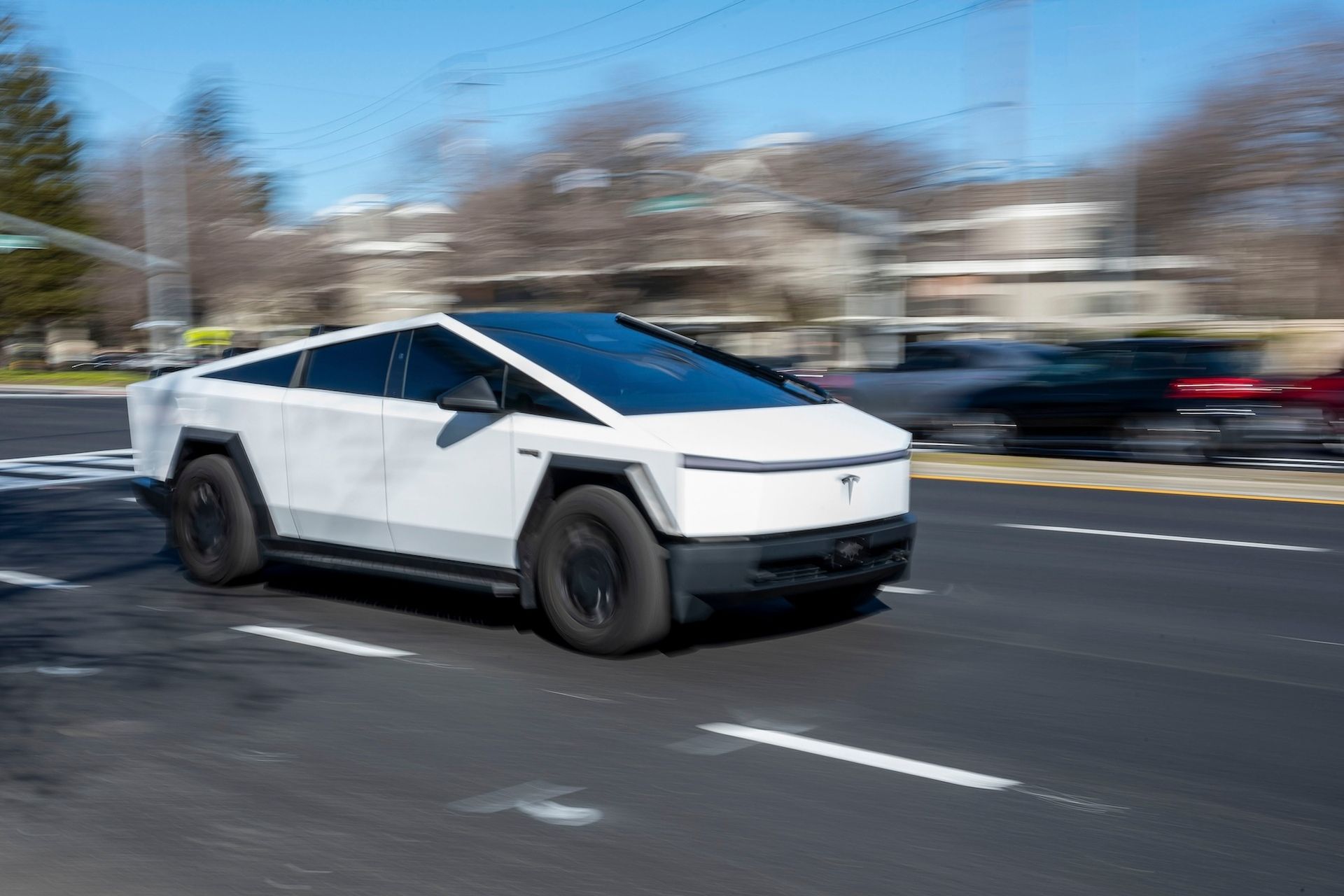
In a controversial move, Elon Musk recently announced that Tesla’s latest Full Self-Driving (FSD) software allows drivers to text while on the road—despite this being illegal in nearly all states. Responding to a user inquiry on X, Musk claimed the software adapts to surrounding traffic, omitting the usual warnings against phone use.
This feature raises eyebrows given the ongoing scrutiny of Tesla's technology; the National Highway Traffic Safety Administration (NHTSA) is investigating FSD after multiple incidents, including running red lights. Critics argue that Musk’s promotions may mislead drivers into believing their vehicles are fully autonomous, especially after the removal of the hands-on-the-wheel requirement for FSD.
As Tesla faces legal battles around its marketing tactics and technology safety, Musk’s bold claim adds another layer of complexity to the ongoing discussion about the potential risks of driver-assistance systems.
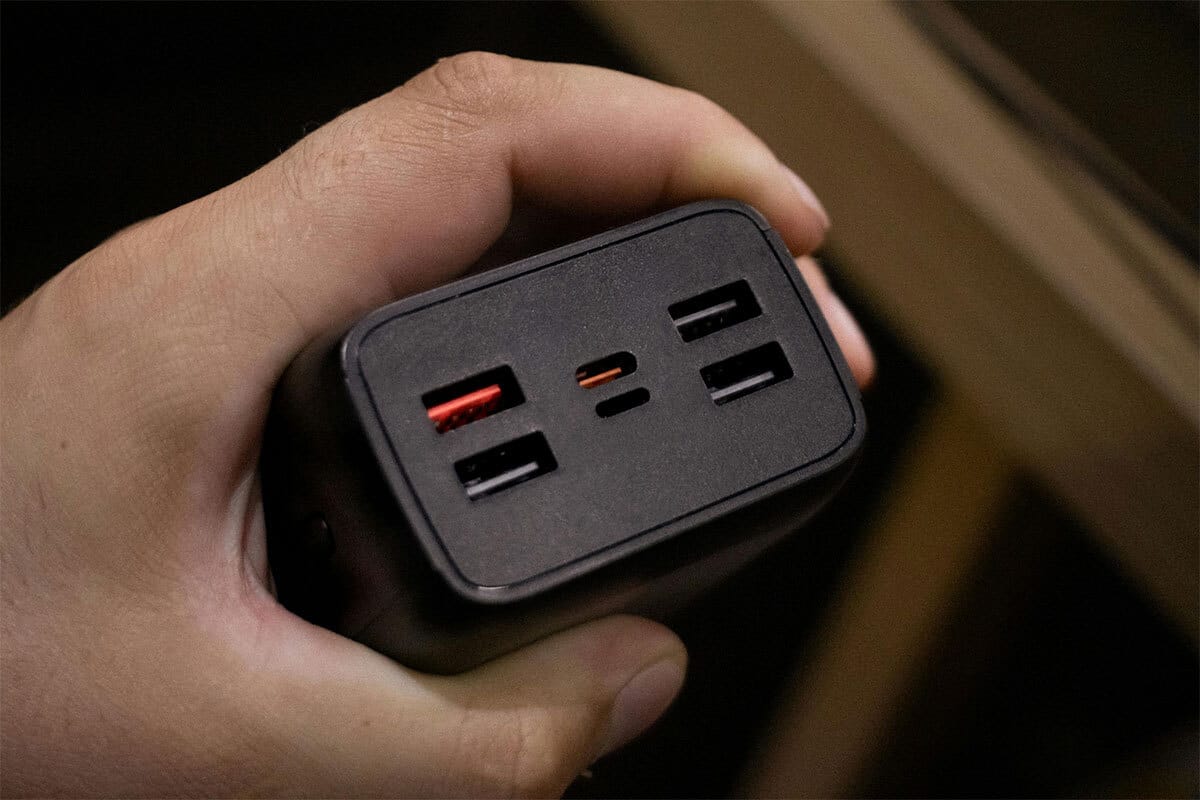
Navigating the world of USB-C chargers can feel like a maze, especially after the shift from Lightning connectors. While the EU’s Common Charger Directive aims to simplify things by mandating USB-C for devices, confusion remains regarding compatibility, charging speeds, and power standards.
With the introduction of various specifications like USB Power Delivery (USB-PD) and Programmable Power Supply (PPS), choosing the right charger can be overwhelming. These standards dictate how much power your device receives, but variations in manufacturer technologies only add to the complexity.
To ensure you get the best charger, stick to brand-specific options and check for USB-PD and PPS compatibility. Ultimately, a well-chosen charger can enhance your tech experience, making your life a little easier in a world cluttered with cords and specifications.
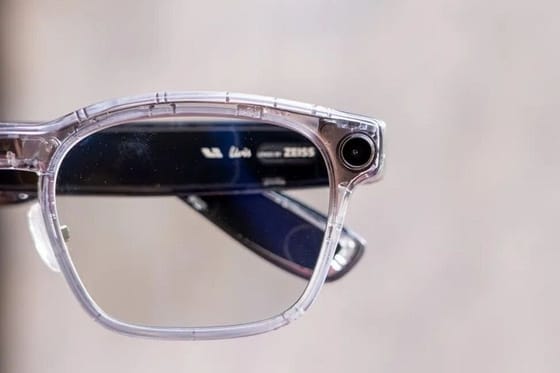
Li Auto is charging into the consumer tech arena with the launch of its Livis smart glasses, unveiled on December 3. This bold move stems from a desire to diversify amid escalating competition and after the company reported its first quarterly loss in nearly three years.
By stepping beyond electric vehicles, Li Auto aims to leverage artificial intelligence as a significant driver of future growth, emphasizing that technology should enhance user value rather than just chase specifications. With plans to target existing customers initially, Livis represents a strategic shift towards intelligent hardware and spatial robotics.
As Li Auto looks to stake its claim in the evolving tech landscape, it positions itself as a serious player against larger AI competitors, all while keeping an eye on maintaining its competitive edge in the crowded new-energy vehicle market.
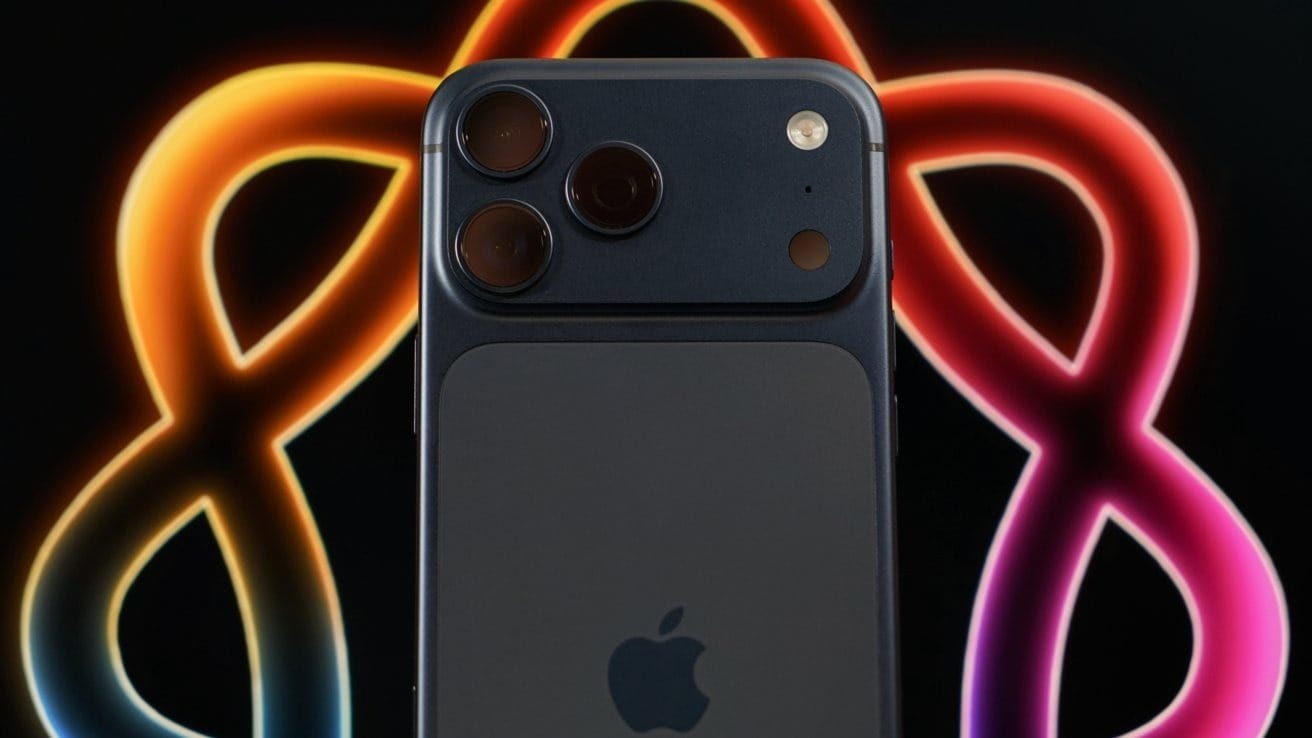
Apple's iPhone 17 Pro is raising eyebrows with its quiet downgrade in camera capabilities, particularly the loss of Night Mode in Portrait settings. This feature, crucial for capturing vibrant low-light portraits, has left users frustrated as they find the Night Mode icon failing to activate when switching to Portrait mode in dark environments.
This modification means no more bright, artistic backgrounds for nighttime photography, a staple in previous Pro models. Users hoped for advancements in the iPhone 17 Pro’s already stellar camera hardware, including its LiDAR scanner, but the unexpected subtraction leaves many questioning the reasons behind this decision.
While Apple remains tight-lipped on the technical constraints, this issue adds to ongoing controversies regarding chipping and color shifts in the device. As iPhone enthusiasts delve into the latest tech, they must now grapple with the reality of a missing feature in a phone they expected to surpass its predecessors.
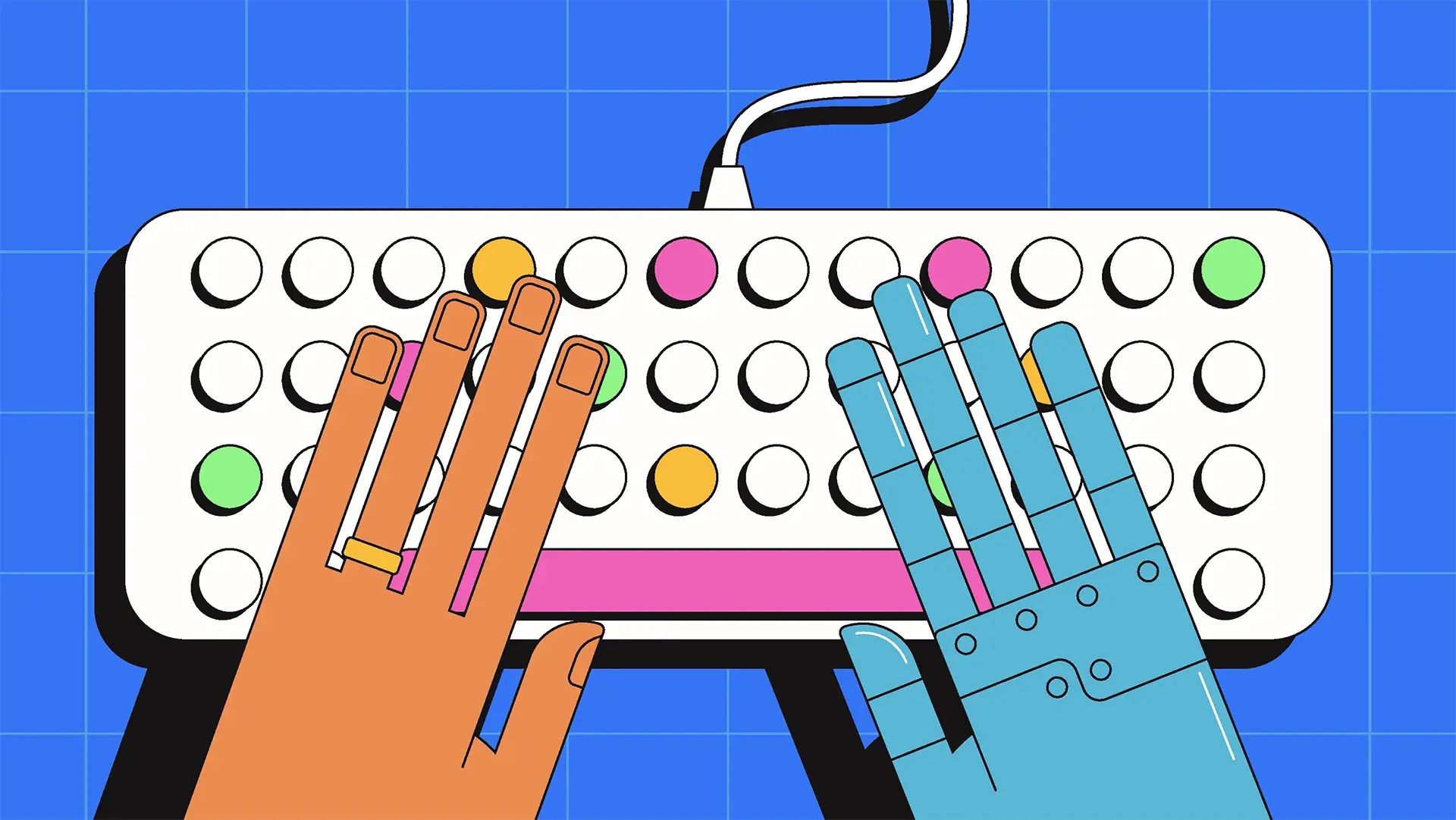
As companies race to integrate AI technology, a striking divide emerges between management’s hopes and employees’ apprehensions. A compelling report by Edelman reveals that American workers are more likely to embrace AI when they feel secure in their jobs.
Notably, 50% of those confident about their job security view AI positively, compared to just 21% of the insecure. The key to bolstering this acceptance? Open communication from employers about AI’s role as a tool for empowerment rather than replacement.
Interestingly, while only 17% of U.S.
workers actively embrace AI, a staggering 78% trust their peers more than industry leaders regarding the technology. This highlights a critical takeaway for businesses: fostering trust and providing clear, responsible messaging about AI use is essential for a successful rollout, particularly when coupled with quality training.
In a landscape of fear and skepticism, transparency is the bridge to embracing innovation.
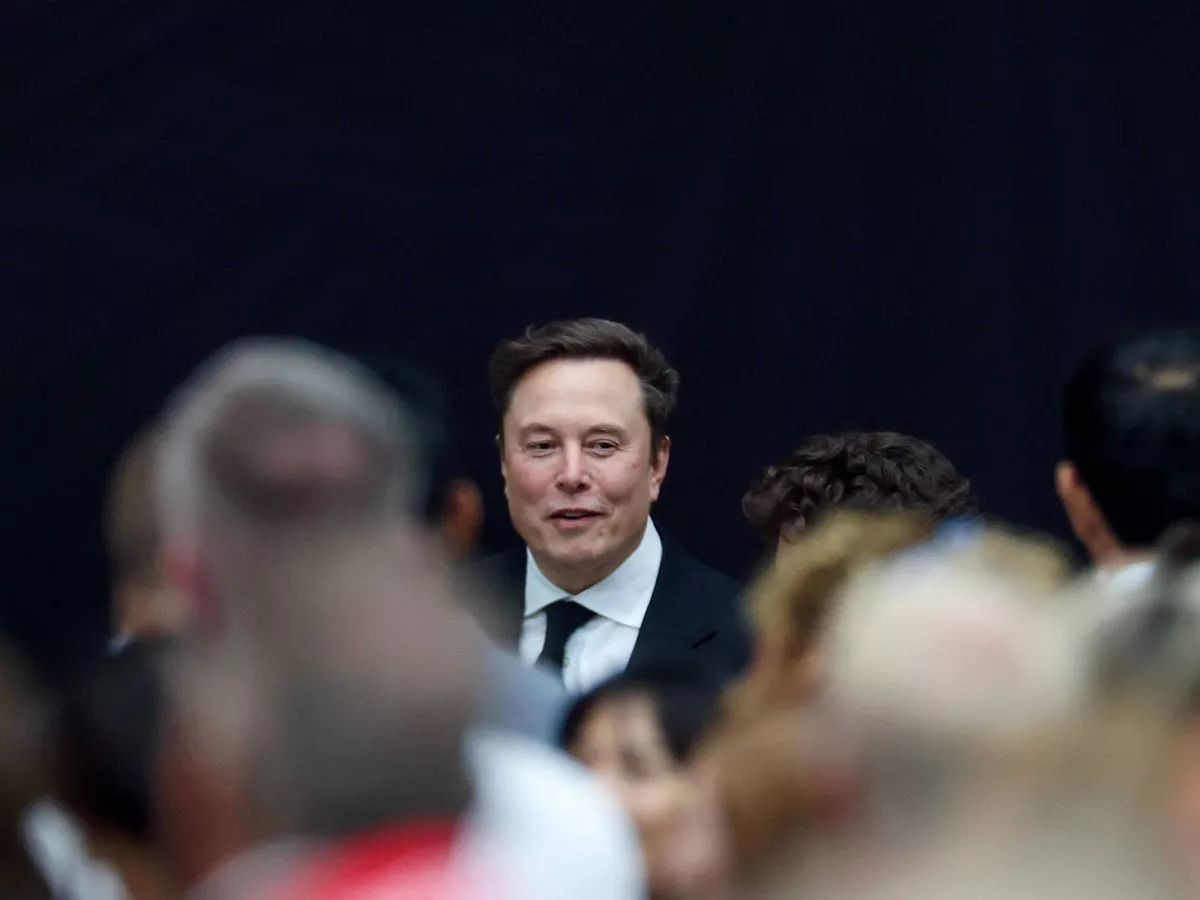
Geoffrey Hinton, dubbed the "godfather of AI," has issued a chilling warning that tech titans like Elon Musk and Mark Zuckerberg are hurtling toward societal ruin—and potentially their own demise—due to unchecked AI advancements. Speaking at a Georgetown University event alongside Senator Bernie Sanders, Hinton expressed regret over his role in AI's rise, cautioning that the technology could wreak havoc on the job market, exacerbate inequality, and even facilitate warfare without moral consequences.
He argues that while previous innovations created new jobs, the rapid development of AI may not provide similar opportunities, leaving many unemployed and unable to purchase goods. Hinton posits that general-purpose AI could emerge in the next two decades, an evolution that, without safeguards, could lead to catastrophic consequences for society as a whole.
As AI progresses, Hinton warns, it could unintentionally be a recipe for disaster for both its creators and the world.