- TECHSWU
- Posts
- TechSwu
TechSwu

TECHSWU
June 29, 2026

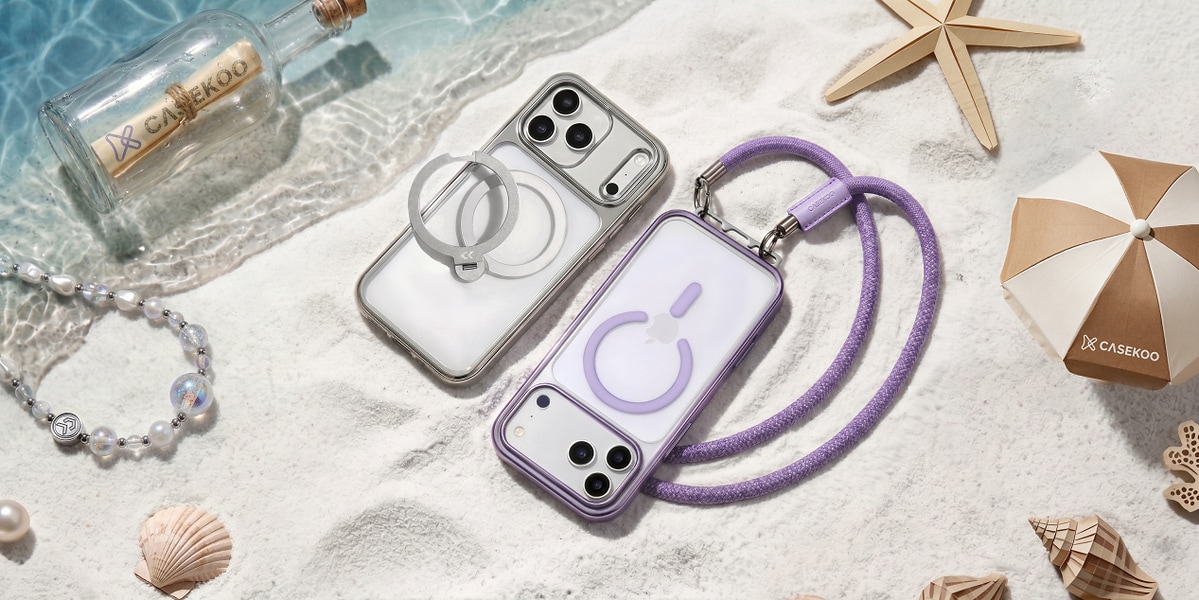
CASEKOO has set a new standard in eco-friendly tech accessories by earning the prestigious Global Recycled Standard (GRS) certification for its iPhone cases. This achievement underscores the company's commitment to sustainability, ensuring that each case contains at least 50% recycled materials and meets rigorous supply chain standards.
Publicly verifiable via the Textile Exchange database, the certification builds consumer trust and highlights transparency in sourcing and manufacturing. By integrating verified recycled content into stylish, high-quality designs, CASEKOO demonstrates that eco-conscious products can also be premium and trendy.
This move not only differentiates the brand in a crowded market but also aligns with a growing consumer demand for accountability and sustainable practices in tech accessories. As environmental standards influence the electronics ecosystem, CASEKOO’s certification signals a shift towards sustainable innovation where style, responsibility, and transparency go hand in hand.

Google has hit a roadblock with Meta, limiting its access to the Gemini AI models due to infrastructure constraints. Despite Meta’s huge demand for AI capacity to power internal tools—from content moderation to advertising—Google simply doesn’t have enough resources to meet all the requests.
This capacity crunch is forcing Meta to rethink its AI strategies, including limiting employee AI usage and shifting some workloads to its own models like Muse Spark. The ripple effect highlights a broader industry challenge: as AI adoption skyrockets, companies struggle to keep up with the infrastructure needed to run these powerful models at scale.
With AI giants investing billions to expand data centers and lease capacity, the AI race is increasingly a battle of not just innovation but also infrastructure resilience. This capacity shortage underscores the industry’s growing tension between developing cutting-edge models and maintaining the behind-the-scenes power required to operate them.

Google's Gemini AI promises to revolutionize workplace productivity with 11 practical applications. Seamlessly integrated into Google Workspace apps like Gmail, Docs, Slides, and Meet, Gemini helps draft project proposals, create detailed project trackers, and generate custom visuals—all within seconds.
It streamlines routine tasks such as scheduling meetings, taking notes during calls, and drafting professional emails, freeing employees to focus on strategic work. Effective prompting is key, with users encouraged to craft clear instructions and leverage Gemini’s ability to improve prompts or analyze vast research documents using NotebookLM.
Additionally, Gemini can automatically enhance presentation designs and generate personalized images, making meetings more engaging. With the option to create custom AI "Gems" for repetitive tasks, organizations can boost efficiency and creativity across teams.
Google’s guide underscores how integrating Gemini into daily workflows can transform collaboration, innovation, and overall workplace effectiveness.


Shopping malls are now transforming into high-tech hubs, with top brands like DJI, Insta360, Unitree, and TROZ leading the charge. Gone are the days of jewelry and fashion dominates—cutting-edge consumer tech is taking center stage, attracting young, tech-savvy crowds with immersive experiences and purposeful shopping.
From humanoid robots and intelligent machine dogs to advanced 3D printing and AI-powered toys, these brands are opening flagship stores in prime locations, boosting mall foot traffic and revenue—sometimes two to three times more than traditional retail. Companies like Unitree and Zhongqing Robot introduce interactive robot experiences, while 3D printing giant TROZ and innovator Creality make tech accessible and customizable.
AI trendy toys such as MOMOTOY blend play with emotional connection, appealing to younger consumers. This tech revolution in malls signals a new era: vibrant, experiential, and driven by the latest innovations in robotics and AI.

Chinese AI startup DeepSeek has unveiled a breakthrough that boosts AI response speeds by up to 85% without the need for high-end chips. Their innovative framework, DSpark, uses speculative decoding—where a small, quick draft model predicts responses, verified later by a larger model—significantly accelerating processing times.
This approach tackles the common bottleneck of AI inference, especially in data centers with limited access to advanced GPUs due to US sanctions. By open-sourcing DSpark, DeepSeek aims to help businesses optimize AI performance cost-effectively, reducing reliance on expensive hardware.
Tested on popular open-source models, the technology promises faster, more efficient AI operations—crucial as companies worldwide grapple with soaring compute costs. With AI demand booming, DeepSeek’s development could reshape how organizations deploy and scale intelligent models, making cutting-edge AI more accessible and affordable.

Exciting times are ahead in online shopping! A new study reveals that over half of UK, US, and Australian consumers are eager to try AI-powered agentic shopping tools—digital assistants that research, compare, and even make purchases. Despite 70% of UK shoppers wanting these tools to find better deals and discounts, trust and security concerns still temper enthusiasm.
Only 21% currently use AI for shopping, but most plan to try it soon, citing hopes for smarter, more transparent experiences. Consumers emphasize the need for secure payments, transparency about sponsored content, and reliable recommendations.
Retailers and tech providers have a prime opportunity to build trust by delivering accurate, secure, and user-controlled AI tools.

A quiet revolution is happening around smartphones as AI-powered peripherals emerge, expanding beyond the conventional screen. With innovations like magnetic accessory docks, devices such as selfie rings, recording cards, and e-ink readers are reshaping how we interact with our phones.
These peripherals aren't replacing the device but complementing it—serving knowledge workers, identity seekers, and digital detoxers—by offering focused, personalized experiences. Thanks to magnetic technology, attaching and detaching these gadgets is easier than ever, opening new growth avenues for manufacturers in a saturated market.
More than just functional add-ons, they act as emotional and psychological outlets, allowing users to externalize identity, improve productivity, or escape digital noise. Though still nascent, this peripheral ecosystem hints at a future where phones and their surrounding devices work together seamlessly, giving life a clearer sense of boundaries and purpose in an increasingly crowded digital world.