- TECHSWU
- Posts
- TechSwu
TechSwu

TECHSWU
December 03, 2025


The debate on whether AI can be funny is sparking creativity among comedians, with figures like Jon Lajoie and King Willonius leading the charge. While AI tools can assist in video creation and refining ideas, they still lack the heart and nuance essential for authentic humor.
Comedians emphasize that the core of comedy must come from human insight, making AI an aid rather than a replacement in their craft. Willonius, who embraced AI during challenging times, has successfully integrated it into his work, producing viral content that resonates with audiences.
This shift highlights an exciting opportunity for comedians to experiment and grow their artistry while navigating the evolving landscape of technology. Despite challenges and differing opinions within the comedy community, the collaboration of human creativity and AI tools shows promise for innovative comedic expressions.

Exciting updates are on the horizon for Google's Gemini app! Set to enhance user experience, Gemini is testing a sleek, ChatGPT-style interface that consolidates tools into a user-friendly layout. This redesign promises effortless navigation, allowing users to switch tasks with ease.
Additionally, Gemini is refining its voice input feature, enabling longer, natural speech without interruptions—perfect for complex queries! The app's integration with Google Maps is also improving, offering richer recommendations complete with photos and reviews, making exploring new places even more convenient. Plus, the upcoming Gemini Live experiments are poised to introduce innovative features for users to test.
With all these improvements, the Gemini app is gearing up to deliver a dynamic and engaging experience that will surely delight its users.
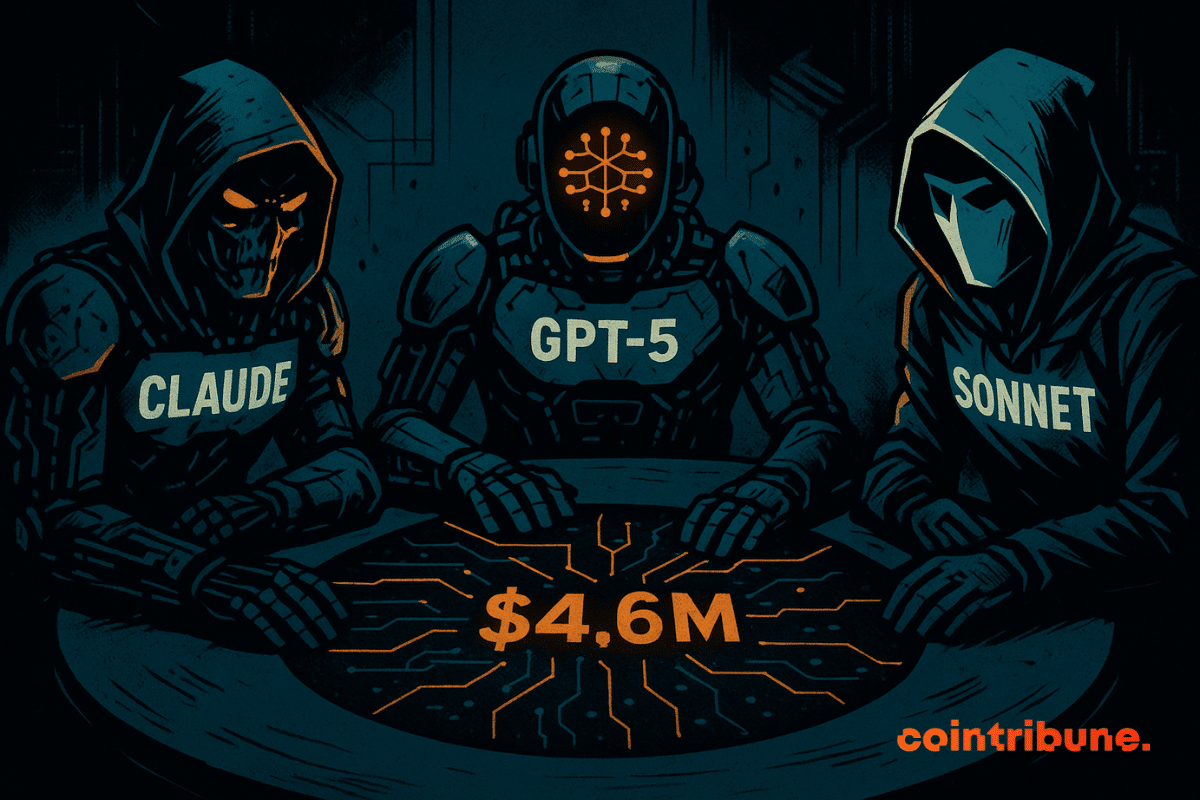
The emergence of artificial intelligence (AI) in the crypto world is transforming how vulnerabilities in smart contracts are identified and exploited. Recent advancements allow AI models to autonomously discover previously unknown vulnerabilities, leading to an impressive $4.
6 million in simulated exploits. Costs to analyze contracts have dramatically dropped to just $1.
22, making this technology both efficient and accessible.
While concerns about automated hacking exist, this shift presents a unique opportunity for security advancements in the blockchain landscape.
Developers can leverage AI's capabilities to enhance their smart contracts, ensuring they are secure before deployment. As AI technology continues to evolve rapidly, it encourages a proactive approach to security, transforming potential threats into chances for innovation and improved protection measures.

AI companion toys are gaining significant popularity in China, especially following Huawei's successful launch of these innovative products. As artificial intelligence continues to advance, these emotionally responsive toys are emerging as exciting new drivers in the consumer electronics market.
They offer companionship and engagement, making them a delightful addition to many households. This surge in interest reflects a broader trend of integrating technology into daily life, creating opportunities for connection and joy.
With the potential for further growth in this sector, it's an encouraging time for both consumers seeking meaningful interactions and companies working to develop engaging technologies.
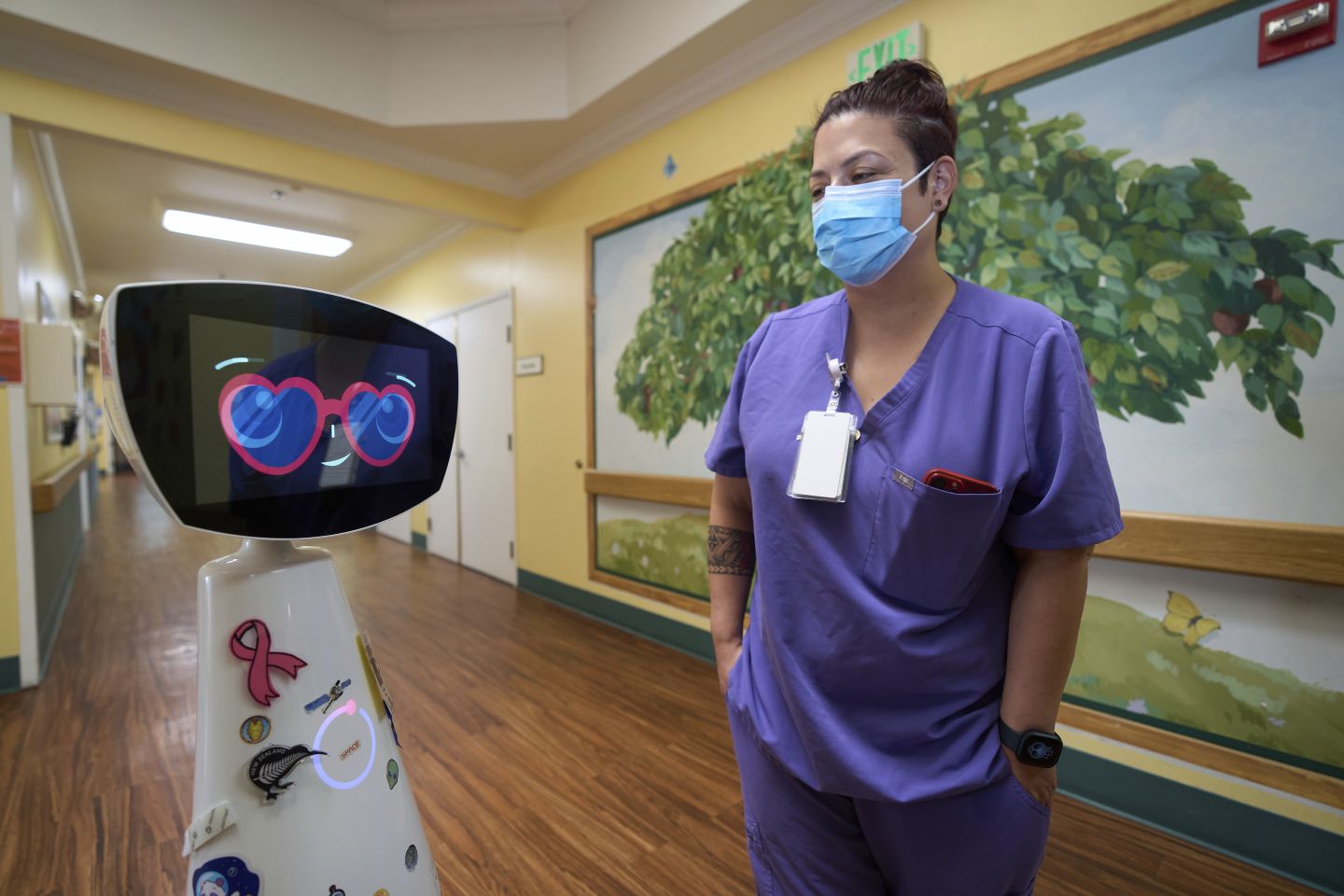
In the evolving landscape of the workplace, it's crucial to harness the true potential of artificial intelligence without succumbing to "workslop," a term that highlights ineffective AI-generated content. While AI promises increased efficiency, it's essential to ensure that the output remains meaningful and actionable.
Gleb Tsipursky encourages leaders to prioritize substance over superficiality, urging organizations to focus on quality content that can genuinely advance tasks and foster productivity. By being mindful of the quality of AI contributions, companies can prevent workslop from undermining their efforts and instead leverage AI as a powerful tool for success.

Samsung has taken a bold leap in the foldable smartphone arena with its introduction of the Galaxy Z TriFold. Boasting an impressive 10-inch display, the TriFold seamlessly merges the portability of a phone with the functionality of a tablet.
With features like a supportive three-panel design and the ability to run multiple apps simultaneously, this innovative device is a game changer for multitaskers and content creators. The phone's lightweight design and powerful Snapdragon 8 Elite processor make it an exciting option for tech enthusiasts.
While it is currently positioned as a niche product, experts believe that this trailblazer might spark a broader demand, especially if embraced by more developers and users. As the tech landscape evolves, the TriFold's advanced features could very well redefine how we view mobile devices, encouraging everyone to consider the dynamic possibilities that lie ahead in foldable technology.

In an exciting milestone for global connectivity, SpaceX successfully launched 29 new Starlink satellites aboard its Falcon 9 rocket, bringing the total number of operational satellites to over 9,100. The launch took place on December 2, 2025, at Cape Canaveral, showcasing SpaceX's continued commitment to enhancing broadband internet access worldwide.
Alongside the successful deployment, the Falcon 9’s booster made its 25th landing, marking another achievement in reusable rocket technology. The Starlink program aims to establish an expansive network that helps bridge the digital divide, promising high-speed internet access to underserved areas around the globe.
With plans for up to 42,000 satellites, the future of global communication looks bright.

An innovative AI tool is transforming the care of stroke patients by accelerating clinical decision-making and facilitating faster access to specialist stroke centers. A recent study published in The Lancet Digital Health indicates that approximately 15,000 patients have already benefited from this technology, which allows clinicians to quickly identify dangerous clots within minutes.
Dr. David Hargroves of the NHS emphasizes that this development not only enhances treatment efficiency but also significantly increases patients' chances of regaining independence after a stroke.
With the AI tool now implemented in over 70 hospitals across the NHS, patients are more likely to undergo crucial procedures like thrombectomy, which can save lives and reduce disabilities. This advancement demonstrates the power of technology to provide timely, life-changing support for those facing challenges in stroke recovery, paving the way for a brighter future.