- TECHSWU
- Posts
- TechSwu
TechSwu

TECHSWU
January 29, 2026


In a troubling start to 2026, Sony's PlayStation 5 faces a significant security breach as jailbreak codes leak online, enabling users to run unauthorized operating systems and games from competitors like Nintendo and Microsoft. The leaked BootROM key hex strings, which are sensitive device-specific codes, present a major vulnerability that cannot be patched, leaving older PS5 consoles open to security risks.
While many gamers might embrace the opportunity for piracy, experts warn that this opens the floodgates for privacy breaches. With no immediate fix in sight, Sony can only look towards future hardware modifications to protect against such leaks.
As of now, the company has yet to officially respond to the crisis, leaving many to wonder about the future of the PS5's security landscape.
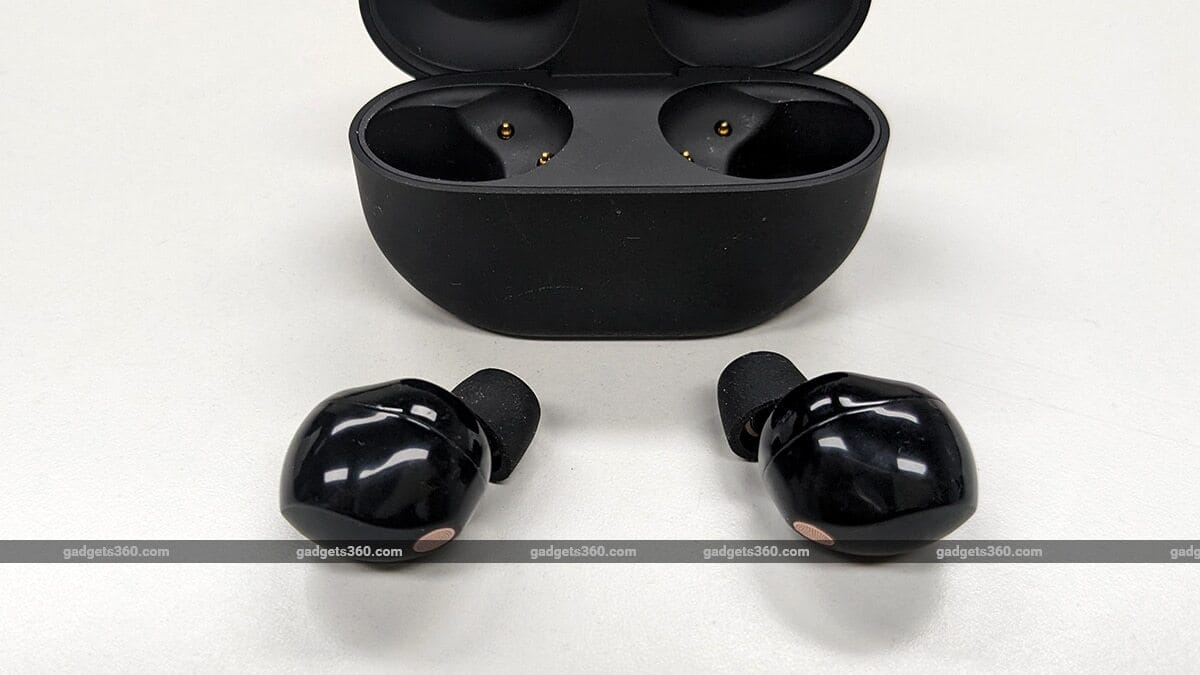
Exciting news for audio enthusiasts! Sony is set to shake things up with the upcoming launch of its WF-1000XM6 true wireless earphones, which might feature a stunning new color variant dubbed "Sandpink." Traditionally, Sony has played it safe with two color options at launch, but this leak hints at a more vibrant palette this time around.
While the design remains under wraps, insiders suggest a potential release date around February 12, with a premium price tag of approximately $329.99 in the US.
The WF-1000XM6 promises enhanced sound quality and advanced noise cancellation, building on the stellar reputation of the WF-1000XM5s.


In a bold shift, Tesla is moving away from its traditional electric vehicles to focus on robotics and artificial intelligence, announcing the discontinuation of the Model S and Model X. This transition comes amidst a 3% decline in annual revenue and a staggering 61% drop in profits over the last quarter of 2025.
To fuel this new direction, Tesla plans to invest $2 billion in Elon Musk's AI venture, xAI, despite mixed reactions from shareholders. The company aims to revamp its manufacturing in California, turning it into a hub for the new Optimus humanoid robots.
As Tesla contends with growing competition from BYD, which has now claimed the title of the world's largest EV maker, experts suggest this pivot is crucial. Ultimately, the focus will remain on higher-volume models like the Model 3 and Model Y, leaving behind the low-volume legacy cars that once defined the brand.

In a groundbreaking UK trial, Sebastian Gomez-Pena, one of the first recipients of Elon Musk's Neuralink brain chip, describes his experience as "magical." The innovative device, implanted in his brain, allows him to control a computer using only his thoughts, effectively restoring a level of independence lost due to severe paralysis from a spinal injury.
This remarkable technology, which connects to 1,024 electrodes, translates his brain's electrical signals into cursor movements, enabling him to interact with digital content seamlessly. Neurologists involved in the trial express excitement over its potential to revolutionize care for individuals with severe disabilities, while Musk envisions even broader applications, such as communication and mobility via robotic interfaces.
Though still in the early stages of testing, the hope is palpable, offering a glimpse into a future where advanced technology significantly enhances autonomy for those with neurological conditions.

Exciting news for privacy-conscious smartphone users! Ahead of its anticipated Galaxy S26 launch on February 25, Samsung has teased a groundbreaking "pixel-level" privacy screen that promises to transform how we secure our mobile content. This innovative feature creates a dark overlay to shield sensitive information from nosy onlookers, making privacy screen protectors potentially obsolete.
Developed over five years, this technology will let users customize which parts of their screen remain visible, offering tailored privacy for notifications or sensitive data entry. Samsung’s teaser indicates that this tech might be exclusive to the Galaxy S26 Ultra, enhancing its appeal among the smartphone elite.
With the promise of seamless integration and a pop-up demo showcasing its user-friendly capabilities, Samsung is gearing up to revolutionize mobile privacy.

The space tourism industry is skyrocketing, projected to explode from $1.39 billion in 2024 to an astonishing $3.
94 billion by 2031, growing at a remarkable 16.3% annually.
This surge is fueled by cutting-edge technology, soaring luxury demand, and robust private sector investments. With big players like SpaceX and Virgin Galactic leading the charge, space travel is becoming more accessible, thanks to advancements in reusable rocket technology and enhanced safety measures.
Additionally, collaborative efforts between aerospace manufacturers and high-end hospitality brands are creating seamless, luxurious travel experiences. As government policies encourage commercialization, the market is diversifying into premium, high-cost journeys and affordable suborbital flights, satisfying both ultra-wealthy adventurers and aspiring space tourists.


Fraudsters are tapping into the power of artificial intelligence (AI) to make their scams more deceptive than ever, raising alarms among experts and authorities. From fake bank calls to voice mimickers that impersonate relatives, the tools scammers use have become increasingly sophisticated.
Cpl. Jennifer Cooper of the Prince George RCMP warns that with every technological advancement, the urgency to remain vigilant against fraud increases.
Notably, even legitimate sources can mislead users with inaccurate information generated by AI. The Burnaby RCMP advises to always verify contact details through reputable websites to avoid misdirected calls.
To stay safe, experts recommend directly calling financial institutions, verifying online deals, and never sharing personal information with unsolicited contacts. The Canadian Anti-Fraud Centre offers additional tips for safeguarding your finances in this new landscape of AI-driven deception.

Artificial intelligence is set to collide with a major obstacle: copper. As highlighted by Jon Carroll, the shift to AI and renewable energy isn't as weightless as it seems; it’s underpinned by an enormous demand for copper.
To power modern infrastructure, around 5,000 tonnes of copper is needed for every gigawatt, and with AI's staggering growth, we’ll see an explosive need for copper on an unprecedented scale. This challenge presents a unique opportunity for resource-rich countries like Canada, but it requires responsible development and strong Indigenous partnerships to realize its potential.
By focusing on the physical materials driving our digital economy, we can create a sustainable energy strategy that blends innovation with grounded realities. As Carroll puts it, “copper is the load-bearing metal of the modern world”—a reality we must embrace for our future.