- TECHSWU
- Posts
- TechSwu
TechSwu

TECHSWU
April 07, 2026

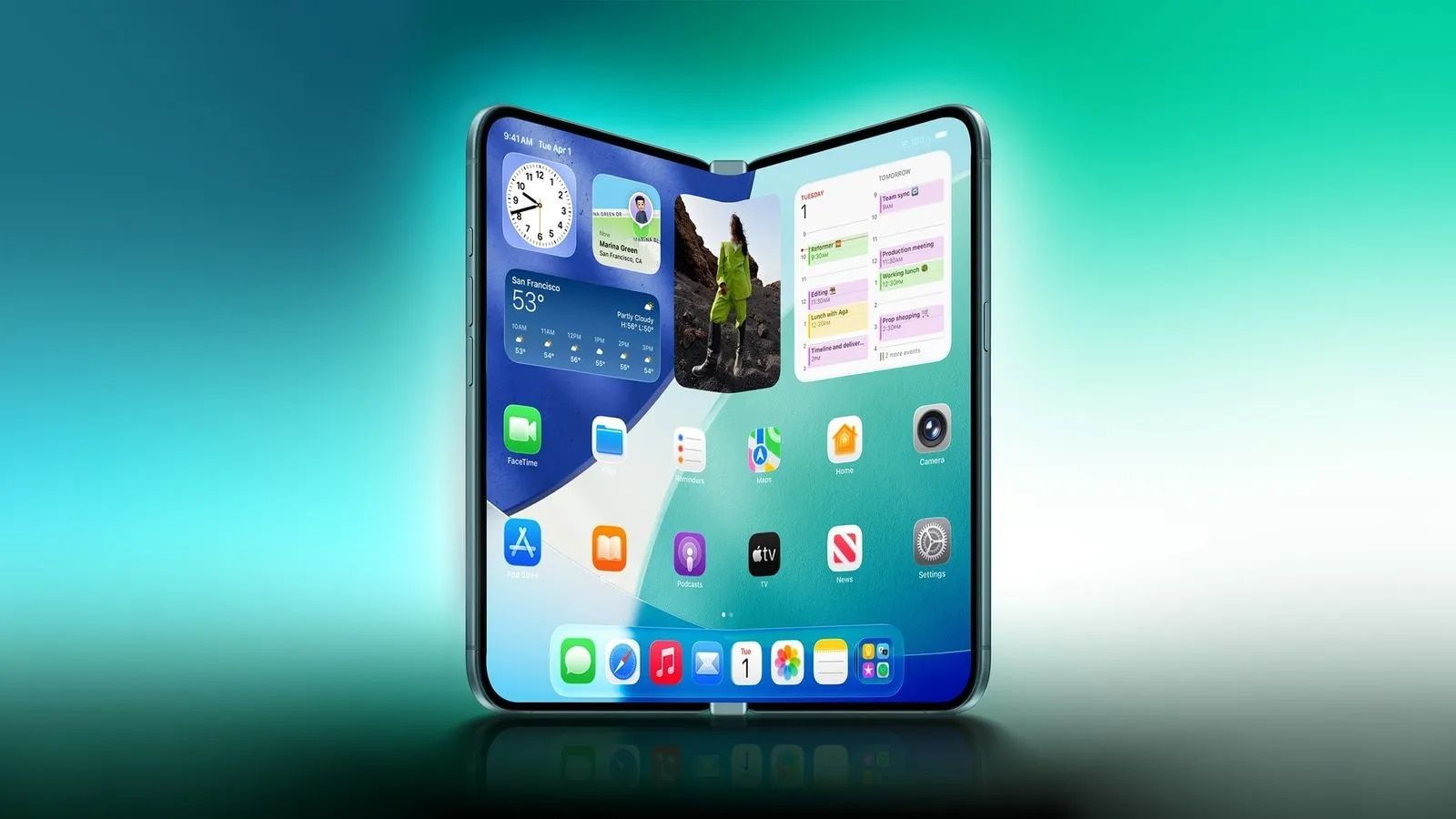
Excitement is brewing as Apple gears up to unveil its first foldable phone, rumored to be named the iPhone Fold or iPhone Ultra. Set to launch soon—potentially alongside the iPhone 18 Pro—the iPhone Fold promises a sleek, notebook-style design, reminiscent of an iPad mini.
Insiders hint at a crease-free display and ultra-slim form factor, aimed at outperforming competitors like Samsung's Galaxy Z Fold. With a premium price tag expected between $1,800 and $2,000, this device is positioned as Apple's most prestigious offering yet.
Boasting dual cameras and powered by the A20 Pro chip, anticipation is high, but production challenges may delay its release.

Artificial intelligence is transforming the landscape of legal practice in the U.S.
, offering exciting efficiencies, but also raising serious concerns about accuracy and trust. As law firms increasingly adopt AI tools for research and case preparation, alarming incidents have emerged, such as lawyers submitting fictitious citations generated by AI.
This phenomenon, termed "hallucination," poses risks that threaten the very foundation of the judicial system, where precision is paramount. Courts have started imposing sanctions to address these issues, reinforcing that the responsibility for verification cannot be outsourced to machines.
While legal professionals embrace the advantages of AI, the debate now centers on how to use these technologies ethically and effectively without compromising the integrity of justice. In this evolving era, the challenge lies not in the technology itself, but in ensuring that human oversight remains central to legal practice.
After all, while AI can assist in crafting arguments, the ultimate accountability rests with the legal professionals.
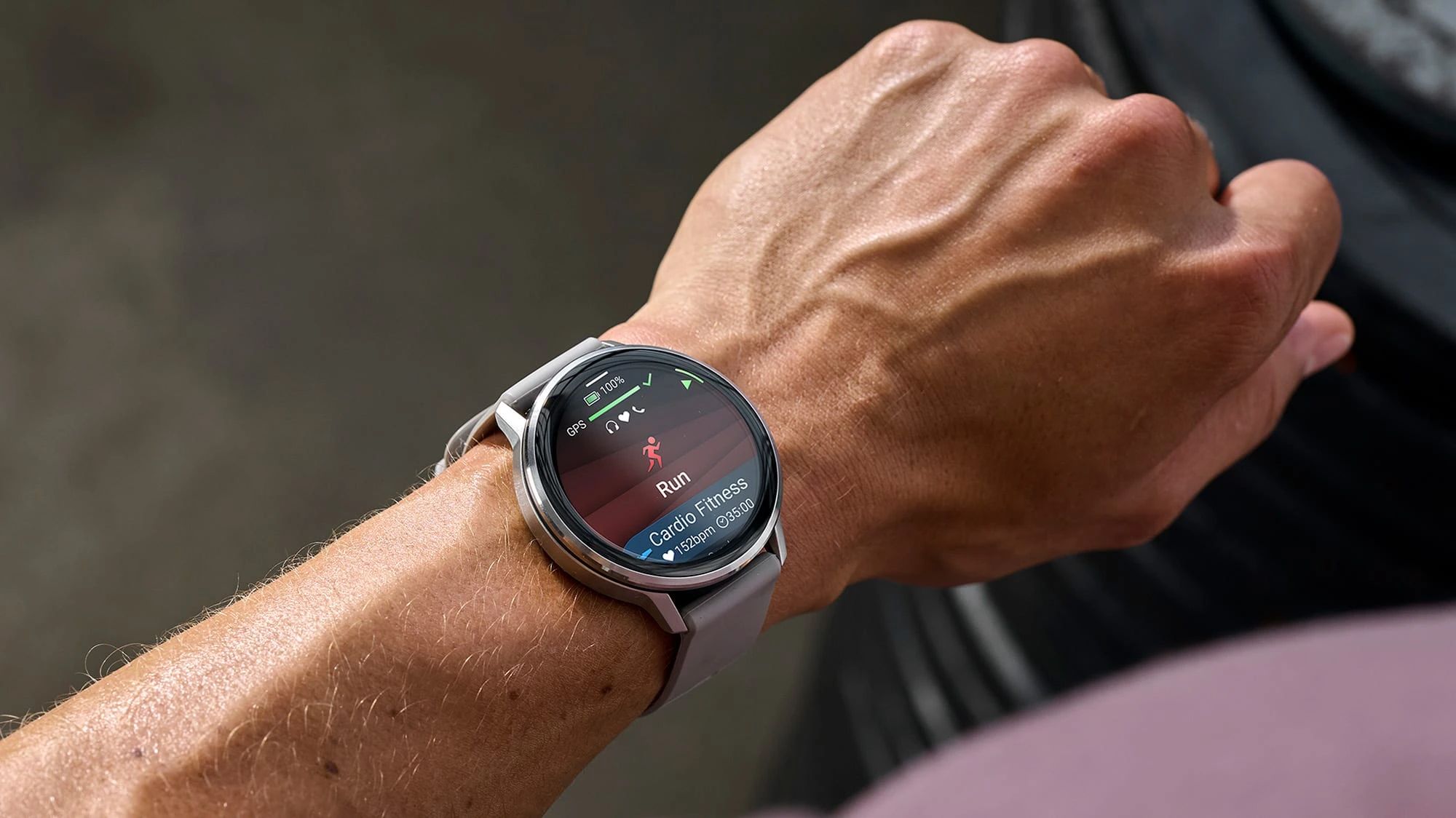
The demand for wearables is surging, with brands like Oura and Garmin topping search charts at the start of 2026. According to a new report by MediaVision, searches for these fitness-tracking devices have skyrocketed, reflecting a growing consumer focus on health and wellness.
Oura Ring led the pack with a remarkable 58% increase in searches year-over-year, while Garmin watches followed with a 31.3% rise.
This trend aligns with the booming fitness tracker market, projected to leap from $52.29 billion in 2024 to nearly $190 billion by 2032.
Gen Z is driving the movement, prioritizing fitness gear over traditional spending, with 64% stating they’d invest more in fitness than dating. As wellness becomes more integral to lifestyle choices, it’s clear that consumers are eager to harness technology for tracking fitness, recovery, and overall well-being.
Brands are leveraging social validation from influencers, further amplifying their appeal in this rapidly evolving market.

In an explosive investigation by The New Yorker, Sam Altman, co-founder of OpenAI, allegedly misled U.S.
intelligence officials in 2017 by claiming China was spearheading an "AGI Manhattan Project" to secure billions in government funding. When pressed for proof, Altman could only offer vague hearsay, raising eyebrows about the actual existence of such a project.
This incident appears to be part of a broader trend; former OpenAI insiders note a pattern where Altman tailored his persuasive pitches based on his audience's fears and interests—alarmingly effective yet ethically murky. Beyond the U.
S., Altman's pursuit of funding even led him to the Saudi royal court, despite potential backlash from associations with controversial figures.
The investigation underscores a troubling assertion: Altman adeptly tells people what they want to hear, often with significant repercussions down the line.

In a lively discussion, Realtor Stephanie Jones and John Redfield explore the rising role of artificial intelligence in the real estate sector. As AI technologies continue to advance, many wonder whether they could potentially replace real estate agents.
Jones addresses common concerns regarding AI's impact, emphasizing its ability to streamline home-buying processes rather than replace the human touch that agents provide. She shares insights on how prospective buyers can effectively integrate AI tools into their searches, enhancing their experience while retaining the invaluable support of real estate professionals.
This engaging conversation sheds light on the future of home buying in an increasingly tech-driven world, reassuring listeners of the enduring necessity for human expertise in real estate transactions.
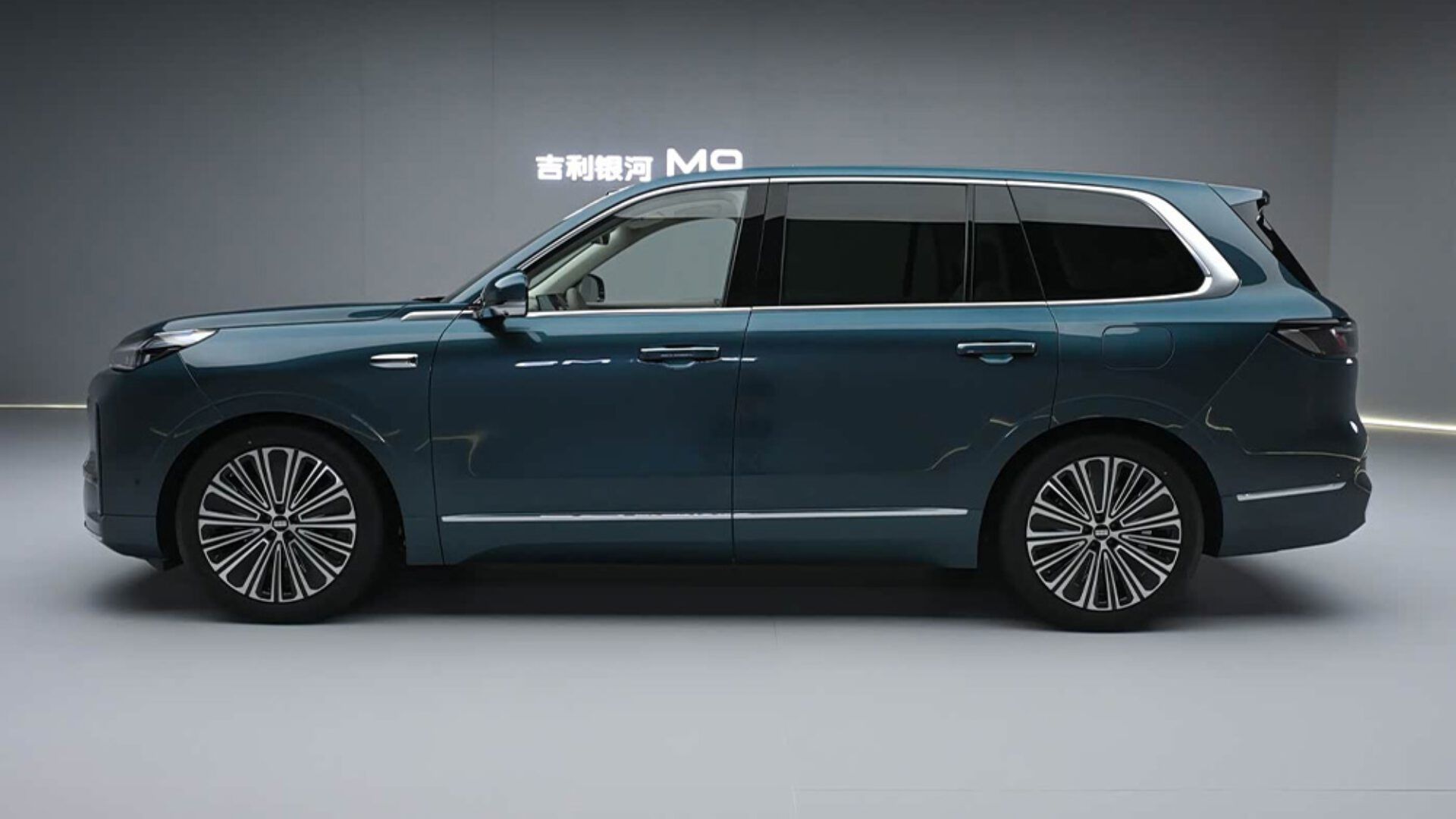
The Geely Galaxy M9 PHEV has made waves by outperforming every American three-row SUV in its weight class, delivering thrilling speeds and impressive efficiency. This marvel of Chinese engineering boasts a luxurious interior complete with massaging seats and top-notch tech, setting a new standard for family vehicles.
However, what’s particularly frustrating for American consumers is that geopolitical trade barriers prevent this cutting-edge SUV from hitting U.S.
shores. While American automakers continue to refine their hybrids, Geely's innovative approach to hybrid technology and pricing provides a compelling alternative that challenges traditional market norms.
With a blend of efficiency and comfort rarely found in U.S.
offerings, the Galaxy M9 suggests a savvy mix of capability and luxury—but for now, it remains tantalizingly out of reach for American buyers.
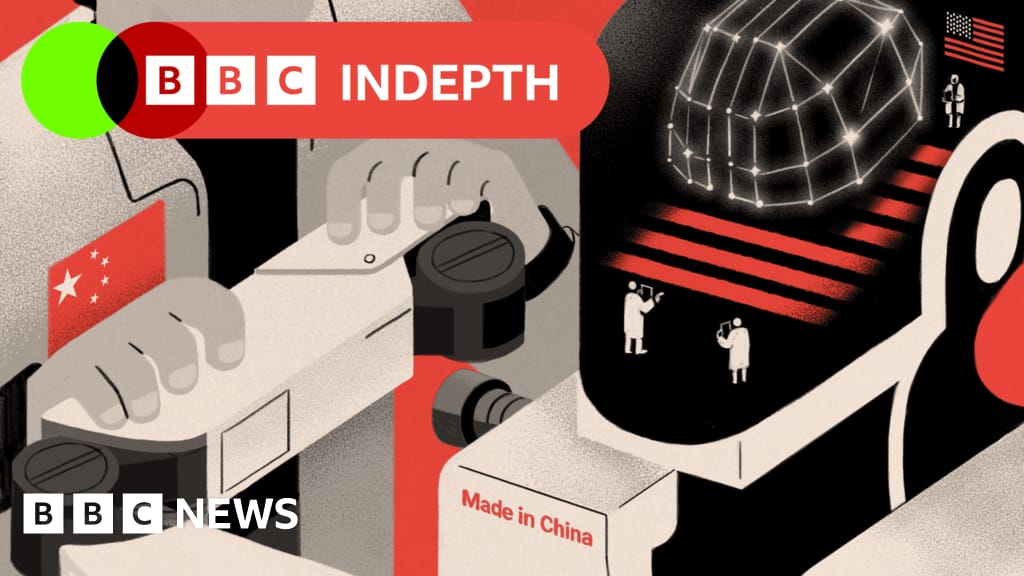
In the high-stakes arena of artificial intelligence, the United States and China are racing toward dominance, each excelling in distinct areas. The US currently leads in AI innovation—particularly in developing sophisticated "brains" like chatbots and large language models (LLMs), driven by tech giants such as OpenAI and Nvidia.
Meanwhile, China has gained the upper hand in "bodies," focusing on robotics and humanoid designs, bolstered by significant government support and a strong manufacturing base.
However, China's recent innovations, such as the AI chatbot DeepSeek, showcase its growing capabilities in AI "brains.
" This shift emphasizes a more open-source approach to development in China, contrasting with the proprietary models thriving in the US. As both nations grapple for supremacy, the future of AI may come down to sustained advantages and global standards—whoever can effectively blend innovation with user adoption might ultimately prevail in this pivotal technological race.
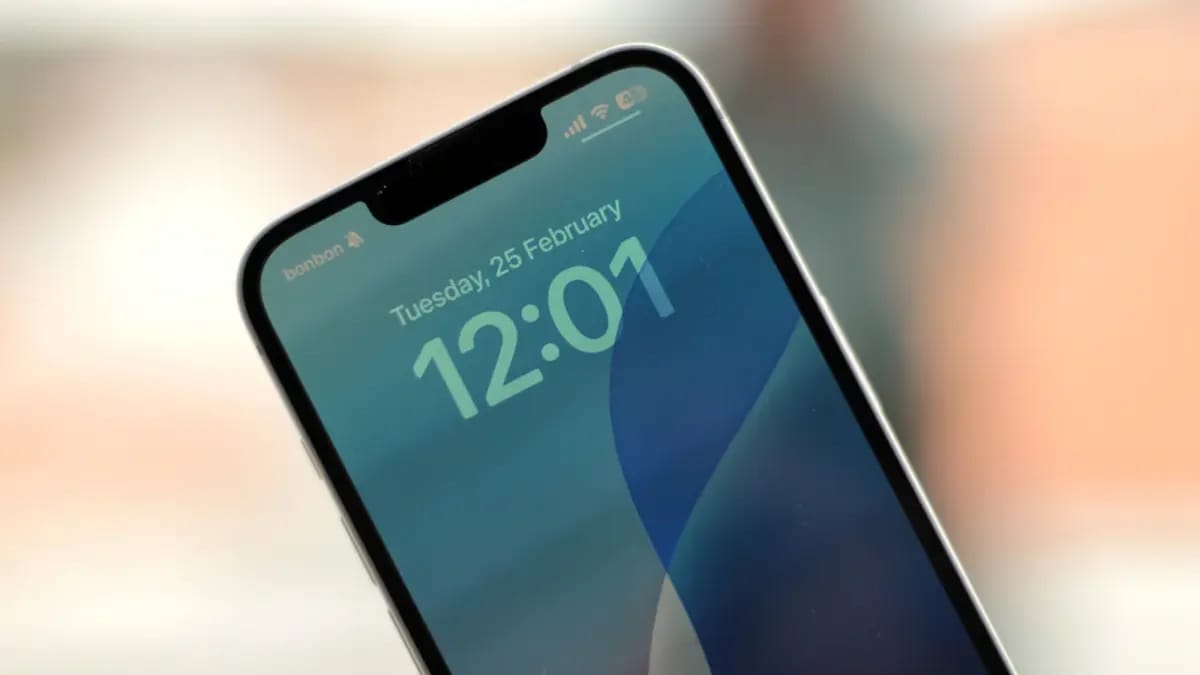
In an exciting twist in the smartphone arena, Apple has officially claimed the title of the world's number one smartphone maker, surpassing long-time rival Samsung. According to recent data from Counterpoint, Apple captured a 20% market share in 2025, while Samsung trailed closely at 19%.
This shift is attributed to Apple's savvy expansion strategy, bolstered by the release of the iPhone 16e, which has resonated with consumers in emerging and mid-tier markets. With a 10% year-over-year growth in smartphone shipments— the highest among competitors—Apple's strategic product mix is clearly paying off.
While Samsung's shipments grew by 5%, it wasn't enough to keep pace.