- TECHSWU
- Posts
- TechSwu
TechSwu

TECHSWU
March 12, 2026


Shatta Wale, the vibrant Dancehall King, is surprising fans by unveiling his hidden identity as a tech visionary. In a captivating interview, the Ghanaian superstar shared his lifelong passion for technology, revealing that his journey began at just nine years old with the creation of a security gadget concept.
Now, he proudly holds the majority stake in Hotwav, a smartphone brand tailored for West African consumers, focusing on durability and affordability. The tech-savvy artist is not only shaking up the music scene but also the mobile market, with his innovative phones engineered to withstand environmental challenges.
As he prepares to expand Hotwav beyond Ghana, Shatta Wale champions a future where his influence transcends music, positioning him as a pivotal player in shaping West Africa’s digital landscape.
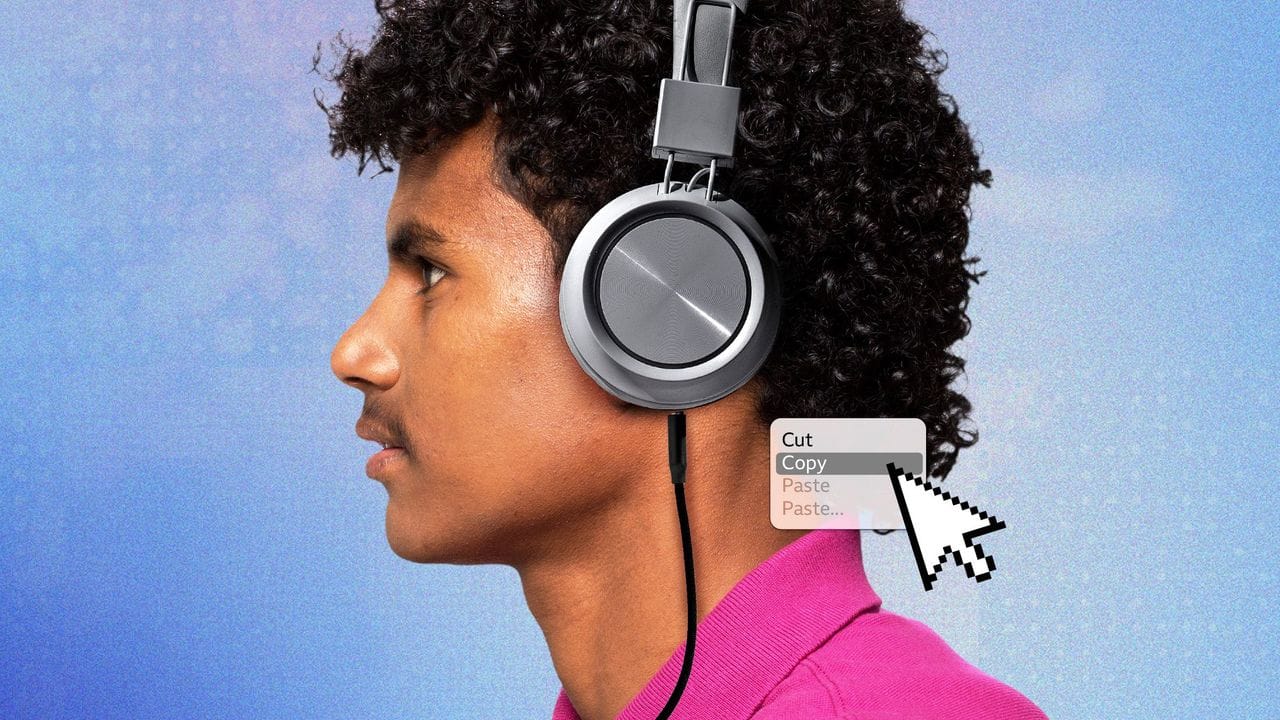
Wired headphones are making a surprising comeback, challenging the dominance of Bluetooth technology. While many expected them to fade into obscurity after the headphone jack was phased out, recent trends reveal a vibrant resurgence as consumers prioritize sound quality and simplicity over wireless convenience.
With wired headphone sales surging by 20% early in 2026, enthusiasts cite better audio performance and reliability—no more connectivity woes or battery failures—as key factors. This shift also reflects a cultural backlash against increasingly complex tech, signaling a desire for nostalgia and comfort in listening experiences.
Celebrities and social media influencers are embracing the wired trend, leading to its status as a fashionable accessory. For many, the tactile experience of plugging in offers a sense of mindfulness in a tech-saturated world.
As they rediscover the charm of classic gadgets, wired headphones are boldly reclaiming their place in modern audio culture.
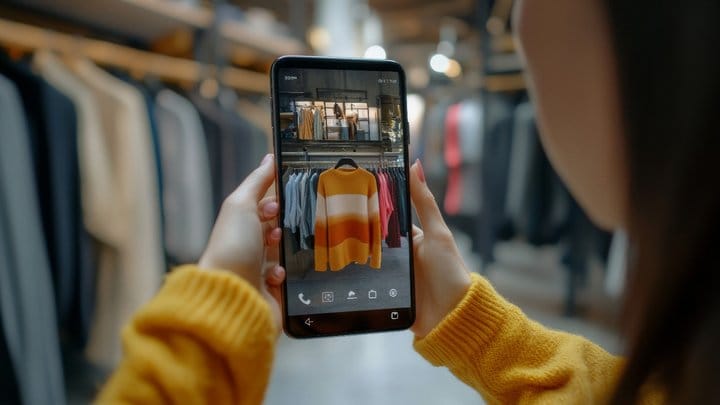
A recent report from Numerator reveals that a remarkable 71% of U.S.
consumers are now using AI tools, with 37% engaging with them daily or weekly. The finding highlights a growing acceptance of AI, particularly for shopping tasks—41% of respondents expressed a desire for tools that enable easy price comparisons across retailers.
While many users, especially educated millennials and Gen Z, utilize AI for both personal and professional tasks, mistrust remains palpable. Concerns about malicious use, job displacement, misinformation, and privacy loom large, with only 45% of consumers viewing AI positively.
Boomers and Gen Z exhibit notable skepticism, underscoring a generational divide in perceptions of technology. Despite fears, the top activities driving recent AI use include research, content creation, and learning, suggesting a foundational shift in how consumers engage with technology in their daily lives.

China's OpenClaw AI tool has sparked a frenzy among tech enthusiasts and business-minded hustlers, creating a vibrant cottage industry around installation services. Feng Qingyang, a Beijing software engineer, transformed his passion for OpenClaw into a booming enterprise, leading a team that has processed thousands of installation requests.
As more users—many lacking technical skills—seek out the AI’s capabilities, platforms like Xianyu have become hotbeds for service providers. The "lobster craze," as it's affectionately dubbed, is uniting everyday users—from doctors to lawyers—who aspire to learn about AI.
Events and social gatherings proliferate, with tech giants and local governments jumping on the bandwagon to support this enthusiasm. While security concerns loom, the demand continues to surge, with some experts cautioning that the technology may still be too complex for the average person.
Amid the chaos, Feng eyes further innovation, hoping to run a one-person AI company within a year.

In a startling revelation, AI-generated war videos are reshaping perceptions of conflict across the globe. Over just fourteen months, fabricated footage of missile strikes and civilian casualties surged on social media, misleading the public and even tricking reputable news outlets.
One striking example depicted a missile assault on Tel Aviv, garnering millions of views before being debunked as fake. Spanning conflict zones like Gaza and Ukraine, this phenomenon highlights a troubling speed at which misinformation spreads—often outpacing fact-checking efforts.
Experts warn that the ease of creating convincing synthetic content has eroded trust in media, leaving audiences vulnerable to deception. As AI technology evolves, the call for stricter regulations and safeguards is louder than ever, urging both media and tech companies to act decisively to ensure accountability.
In an age where truth is increasingly elusive, the fight for reliable information has never been more critical.
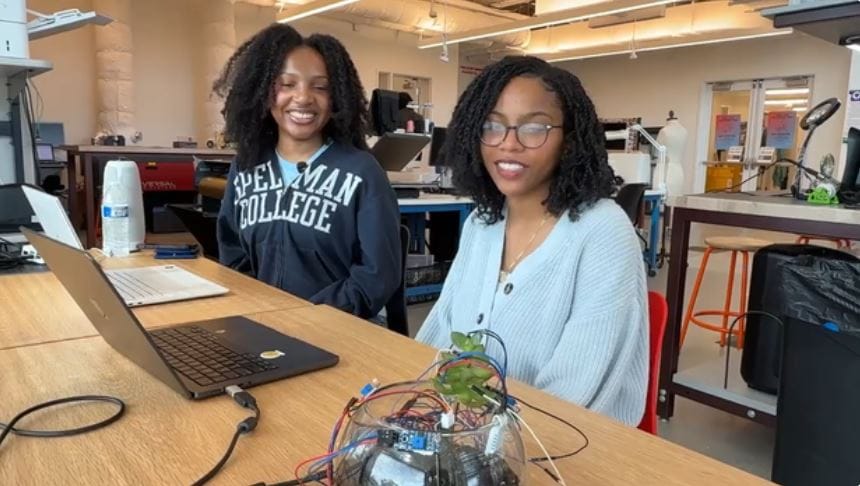
A group of innovative students at Spelman College is transforming plant care with an exciting new AI tool named PlantGPT, designed to help plant enthusiasts—or newcomers—talk to their greenery! By utilizing sensors that monitor soil health and environmental conditions, PlantGPT processes this data to provide tailored care instructions. Junior students Temple Dees and Jessica Obi spearheaded the project, driven by the belief that giving plants a “voice” could enhance the gardening experience.
While currently focused on home plants, their aspirations extend to local farming applications, aiming for a user-friendly interface that demystifies plant care. With a strong desire to pursue careers in computer science, they hope their creation not only leads to greener thumbs but encourages others to nurture their own plants.

The world of wealth is undergoing a seismic shift, as a record 3,428 billionaires now populate only 80 countries, with the United States, China, and India claiming over half of them. The U.
S. leads the pack with 989 billionaires worth a staggering $8.
4 trillion, bolstered by a mix of tech entrepreneurs and cultural icons like Elon Musk and Taylor Swift. Meanwhile, China, with 539 billionaires collectively worth $2.
2 trillion, is experiencing significant growth thanks to its booming AI and consumer sectors. India isn't far behind, boasting 229 billionaires valued at approximately $1 trillion, fueled by a burgeoning stock market and expanding global supply chains.
This new billionaire geography underscores a blend of innovation hubs, capital markets, and shifting demographics, prompting both opportunity and scrutiny. As wealth becomes increasingly concentrated, the implications for economic power, investment strategies, and social equity are profound and far-reaching.