- TECHSWU
- Posts
- TechSwu
TechSwu

TECHSWU
April 01, 2026
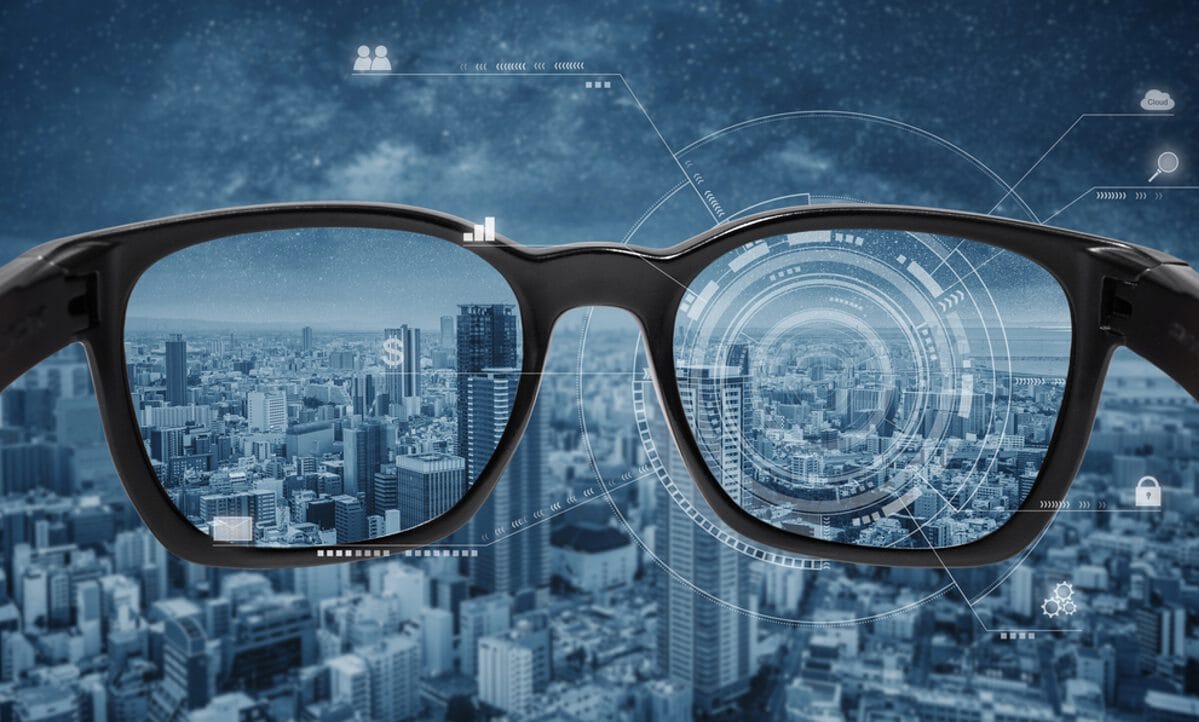
Students in China have discovered a high-tech loophole for acing exams: renting AI-powered smart glasses for $6-12 a day. These sleek devices, resembling regular eyewear, come equipped with cameras and AI capabilities that allow students to photograph test questions and instantly receive answers through discreet audio prompts.
As educational institutions scramble to adapt, many have banned these glasses from major exams, but enforcement remains a challenge. Beyond academic cheating, the rise of such technology raises serious privacy concerns, with reports of non-consensual recordings and potential misuse for surveillance.
With the rapid advancement of consumer tech, schools face an uphill battle in maintaining academic integrity against a backdrop of tech-savvy students.

Get ready to rev your engines! Verge Motorcycles has officially kicked off production of the world’s first solid-state battery electric motorcycle, the TS Pro, in Estonia. In collaboration with Finnish startup Donut Lab, this groundbreaking bike boasts an impressive range—217 miles on the standard version and up to 373 miles on the long-range model—with the ability to recharge in a mere 10 minutes! Solid-state batteries promise enhanced safety and longevity by replacing liquid electrolytes with solid materials, paving the way for safer rides.
Nestled within the elegant design is the Donut Motor 2.0 that delivers a thrilling 137 horsepower.
The motorcycle’s Starmatter system allows riders to enjoy custom ride modes and over-the-air updates.
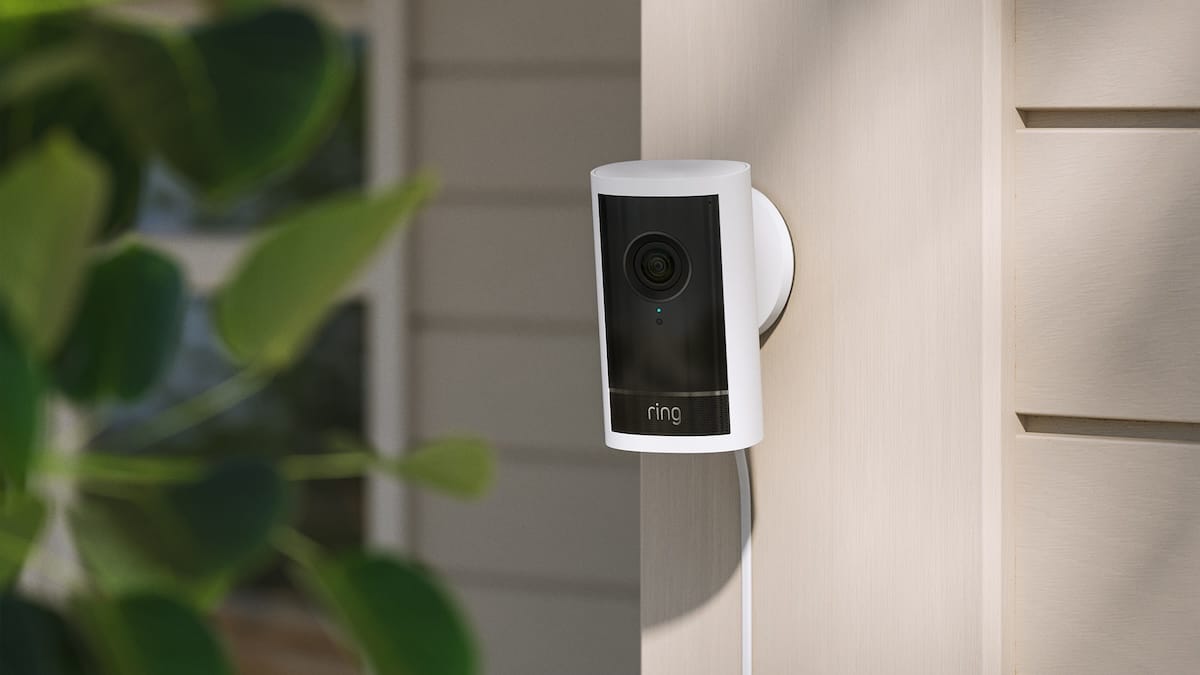
Amazon-owned Ring is making a bold move by launching a new app store aimed at expanding its capabilities beyond home security. With over 100 million cameras already deployed, the app store will allow developers to create solutions catering to areas like elder care, rental management, and workforce analytics.
This initiative utilizes cutting-edge AI technology to offer features such as monitoring aging loved ones and assessing wait times in various settings. Despite facing scrutiny over privacy concerns, Ring's CEO Jamie Siminoff emphasizes the value this app store will unlock for users, steering clear of invasive functionalities like facial recognition.
Initially available in the U.S.
, the app store is set to roll out with around 15 apps, aiming to quickly expand to hundreds. Ring's innovative approach introduces an exciting ecosystem while giving third-party developers access to its vast user base, promising a new chapter in smart home technology.


Exciting advancements are underway for children with disabling hearing loss, thanks to a groundbreaking research initiative called AllEars. Spearheaded by Canadian scientists, including audiologist Susan Scollie, this project aims to revolutionize the way earmoulds for hearing aids are made.
Traditionally, children like nine-year-old Charlotte Gould outgrow their earmoulds every few months, leading to frustrating delays and interruptions in their hearing. However, using artificial intelligence and 3D printing, the AllEars project seeks to predict ear growth, allowing for preemptive mould creation.
With a recent $4.4 million grant from the Oberkotter Foundation, the hope is to make this innovative technology accessible to audiology clinics worldwide.
Families may soon cut down on costly and time-consuming replacements, ensuring that children don’t miss out on crucial developmental sounds. The Gould family, although past the need for earmoulds, is excited about the prospect of other families benefiting from this technology, emphasizing the joy of sound in a child’s life.

Belgium is pioneering an exciting new technology that transforms solar panels into green hydrogen generators, tapping into moisture from the air! Developed by Solhyd, this innovative system operates independently of liquid water sources, significantly enhancing energy production while cutting operational costs. The technology combines high-efficiency solar capture with advanced hydrophilic membranes to absorb atmospheric moisture, turning it into hydrogen through a streamlined electrolysis process.
This breakthrough not only boosts the accessibility of clean energy but also mitigates the issues associated with transportation and storage of hydrogen. Ideal for homes, industries, and rural areas with scarce water resources, this solution is poised to reshape the energy landscape.

Innovative strides in semi-autonomous technology are paving the way for a new era in lunar exploration. A groundbreaking study highlights a legged robot designed to operate independently on the Moon, significantly reducing reliance on Earth-based commands.
Unlike traditional vehicles constrained by communication delays, this agile robot can traverse a variety of terrains and gather vital scientific data with remarkable efficiency. Tests of the ANYmal quadruped robot demonstrated its ability to autonomously identify different rock types—including strategic resources and potential biosignatures—while completing tasks in record time.
This leap forward in robotic autonomy not only optimizes mission efficiency but also cuts costs and expands the scope of exploration.

Meta is shaking things up on Instagram by testing a paid subscription service that promises some intriguing features! Users will be able to sneak a peek at others’ Stories without being tracked, create tailored audiences for their posts, and even extend the lifespan of their Stories by an extra 24 hours. Currently rolling out in select countries like Mexico and the Philippines, this subscription model, priced between one to two dollars a month, also gives subscribers a chance to trial it for free for a month.
Inspired by the success of Snapchat+, Meta aims to generate non-advertising revenue while offering more personalized and engaging content options for its users.

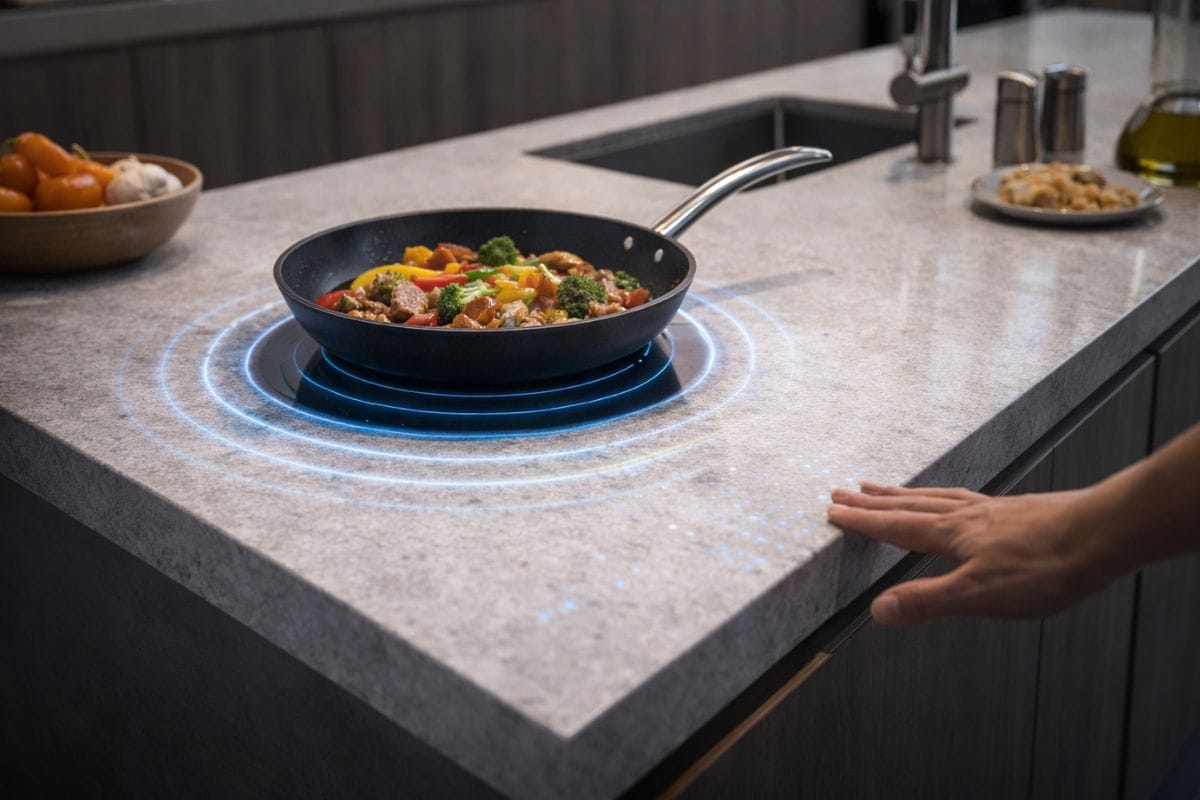
Say goodbye to the traditional induction stove! A groundbreaking new technology is here to revolutionize kitchen appliances by introducing "invisible induction systems" that hide beneath sleek stone or porcelain countertops. This innovative design heats only the pot, promising to cook meals up to 50% faster and with significantly less energy, making it not only efficient but also eco-friendly.
With no visible elements to interrupt the clean aesthetic of your kitchen, these stoves offer a seamless transition from food preparation to cooking. The invisible induction system ensures that heat is directed solely to the pot, enhancing efficiency and reducing unnecessary warmth in the kitchen.
While the tech comes with its own considerations, like needing compatible cookware, it definitely proves to be a game changer for modern homes.