- TECHSWU
- Posts
- TechSwu
TechSwu

TECHSWU
April 21, 2026


Meta is shaking up the AI job market with its new initiative, LevelUp, which offers free training for aspiring fiber technicians at its expanding data centers in the U.S.
As the demand for AI services skyrockets, the tech giant has recognized the urgent need for skilled workers to support its infrastructure. The four-week course is open to anyone, from recent high school grads to professionals seeking a career change, and combines classroom learning with hands-on experience.
Graduates may even find job opportunities within Meta’s contractor network upon completion. This move comes at a time when the tech industry is shifting focus, laying off traditional roles while creating new pathways in data center support.
Exciting news for fitness enthusiasts! Leaked information has unveiled the 'Google Fitbit Air,' a sleek, screenless tracker designed specifically for athletes. Spotted on NBA superstar Stephen Curry, this minimalist device shifts the focus from notifications to what really matters: recovery and cardio load.
Partnering with an AI-powered Google Health Coach, the Fitbit Air aims to provide distraction-free, 24/7 health monitoring, ensuring athletes can stay in the zone. This innovative approach signals a significant evolution in wearable technology, prioritizing performance and well-being over constant notifications.

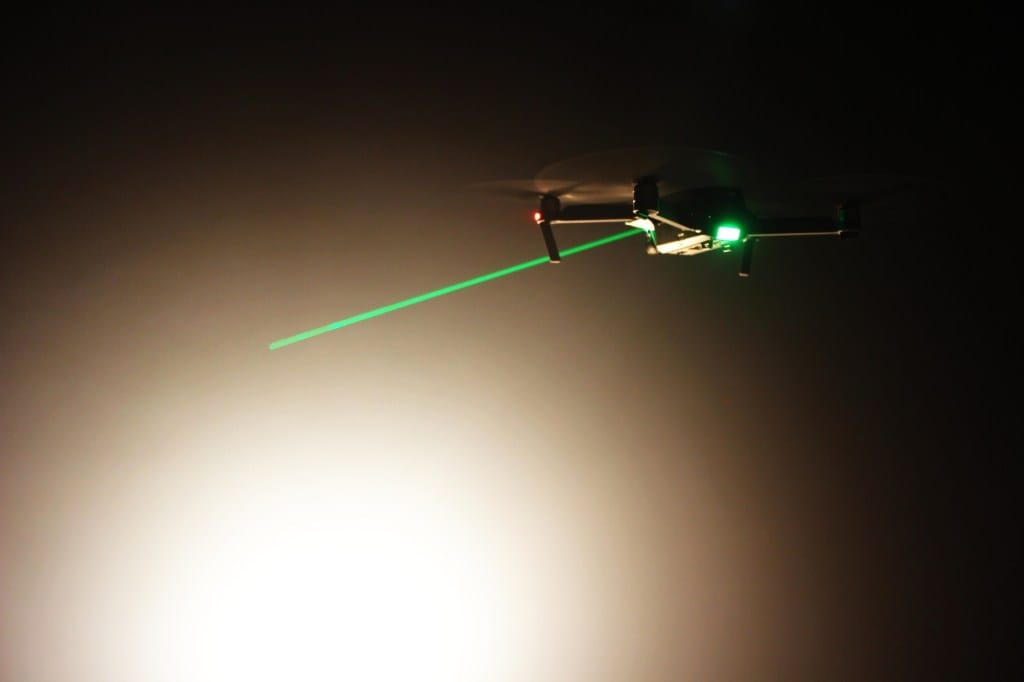
In a bold move to tackle the rising threat of drones in modern warfare, the Federal Government is set to invest up to $7 billion in cutting-edge anti-drone technology over the next decade. This initiative underscores Australia’s commitment to a more robust defense industry, shaped by the urgent lessons learned from ongoing conflicts in Ukraine and the Middle East.
Two Victorian companies have already secured significant contracts: AIM Defence will enhance its advanced laser systems for neutralizing drone swarms, while SYPAQ is developing an interceptor drone to target and destroy adversary drones. The announcement has sparked optimism in the tech sector, boosting shares of companies like DroneShield, which plans to establish a new R&D hub in Adelaide.
This investment is not just a strategic defense measure; it's a leap towards ensuring the safety and security of Australian skies.

Imagine typing your thoughts without lifting a finger—thanks to Sabi's innovative beanie, this dream may soon be a reality! This Silicon Valley startup has developed a non-invasive brain-computer interface (BCI) that uses advanced EEG sensors to capture brain waves and convert them into text. Unlike invasive technologies like Neuralink, Sabi's solution promises to be user-friendly and accessible, making it a game-changer for those with speech impairments.
With a goal to achieve a typing speed of 30 words per minute that will only improve over time, Sabi is revolutionizing communication for millions. Not only does it offer a glimpse into the future of tech, but it also addresses the critical need for more inclusive communication tools.

Huawei is making waves in the tech world with the launch of its first AI-powered smart glasses, positioning itself ahead of major competitors like Apple, Google, and Meta. With a remarkable focus on battery life, Huawei claims its sunglasses offer up to nine hours of continuous music playback—significantly outperforming Meta's five hours.
Packed with a 12-megapixel camera, these glasses not only allow for photography and video calls but also integrate AI features like QR code payments and calorie tracking. Lightweight and stylish, they come in multiple finishes and frame designs, appealing to a broad audience at a competitive price of 2,499 yuan.
Slated for official release on April 25, these smart glasses may just redefine wearable technology as Huawei pushes into this promising market.
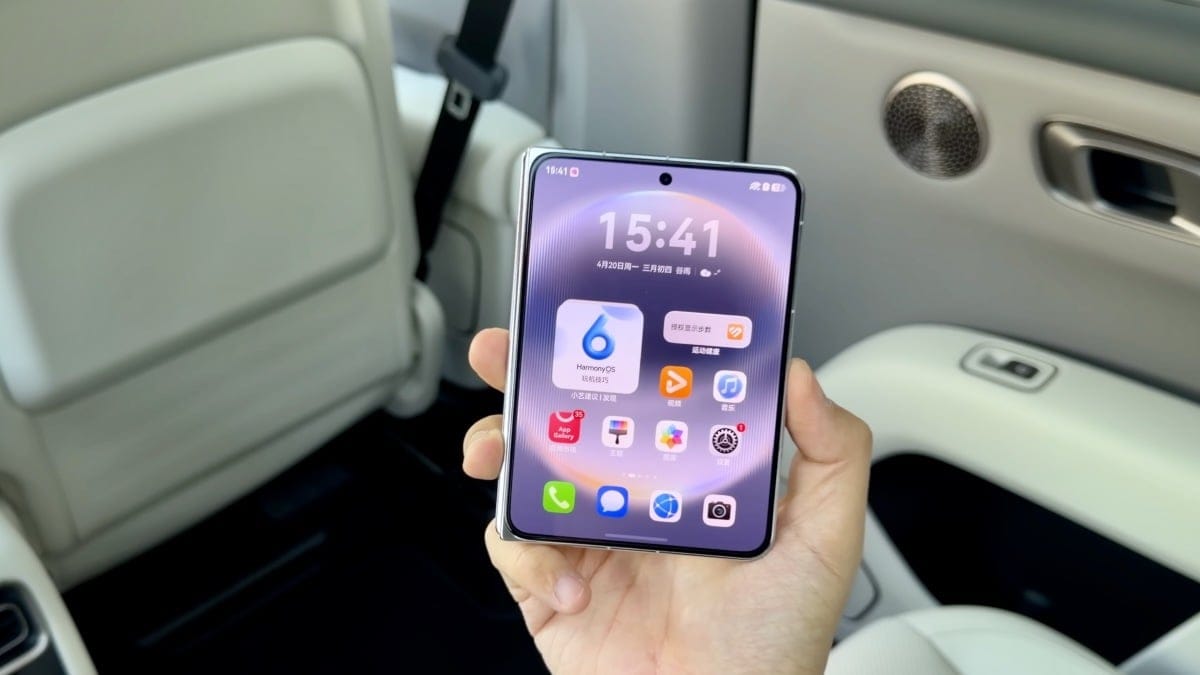
In an exciting sneak peek, a new video featuring the Huawei Pura X Max suggests that Apple's highly anticipated foldable iPhone, rumored to be called the iPhone Fold or iPhone Ultra, may have a lookalike entering the market. YouTuber Vincent Zhong showcases the Huawei foldable, which boasts a 7.
7-inch internal display and a sleek design that closely resembles leaks of the forthcoming Apple device. With a noticeably wider appearance compared to typical foldables, the Huawei model hints at a trend shift in smartphone design.
As competition heats up, Samsung is also rumored to be launching a similar model this summer. With the iPhone Fold set to debut later this year, all eyes are on how these devices will shape the future of mobile technology.

Explore the transformative power of AI in fashion as Genera, OmegaRender, and AlphaRender revolutionize visual production. These innovative companies are proposing a new technological layer that aims to streamline complex workflows traditionally bogged down by logistics and coordination.
By integrating software that automates and coordinates production processes, they seek to shift visual content generation from a final step to a foundational element that informs design and merchandising strategies. This approach promises significant cost reductions and efficiency improvements, tackling one of fashion’s persistent challenges: overproduction.
As AI takes on more operational roles, creatives could focus more on innovation, driving the industry toward a future where real-time insights shape design decisions. While the road to fully autonomous production is still evolving, the collaboration heralds a shift in how fashion integrates imagery into its core business processes, ultimately redefining the entire creative pipeline.