- TECHSWU
- Posts
- TechSwu
TechSwu

TECHSWU
December 24, 2025


The recent "SF Future Sketch Workshop" at the Amorepacific Beauty Tech Lab served as a vibrant brainstorming hub where cutting-edge technology met imaginative storytelling. Participants, including students and researchers, delved into futuristic concepts like the "LuminaCap," an optical makeup hat, sparking lively discussions about the evolving definitions of beauty.
With insights from seasoned experts, groups collaborated to create innovative sci-fi synopses that reflected their visions on the impact of technology in daily life. From DNA-based masks to emotional AI makeup robots, the ideas flowed enthusiastically, illuminating how science fiction can shape our understanding of future innovations.
This engaging workshop not only encouraged participants to think critically about beauty standards but also emphasized a collective exploration of how technological advancements could redefine our world. As one student noted, witnessing the intersection of today's science and tomorrow's sci-fi was an eye-opening experience, making them excited for the possibilities that lie ahead.


AI and Augmented Reality (AR) are revolutionizing live streaming and social media, bringing creative self-expression to the forefront. Platforms like Twitch, Instagram Live, and TikTok are seamlessly integrating real-time filters that let users transform their looks while engaging with audiences.
ImagineArt amplifies this experience, enabling content creators to modify hairstyles, apply makeup, and change facial expressions on the fly, adding an interactive layer to their performances. This dynamic interaction not only enhances virtual events but also transforms personal identity into an immersive art form, allowing users to actively co-create their digital personas.
As participants experiment with their appearance in real-time, they are essentially crafting living art, blending personal expression with digital creativity. With tools provided by ImagineArt, the lines between reality and digitality blur, opening up endless possibilities for innovative artistic expression in the digital realm.

As Ukraine gears up for recovery post-conflict, a pressing challenge looms: the removal of deadly landmines and unexploded ordnance that threaten lives and hinder reconstruction efforts. With vast agricultural and residential areas unsafe, innovative technologies are emerging to tackle this urgent issue.
Enter Broswarm, a Lithuanian startup developing a groundbreaking drone-mounted synthetic-aperture radar system capable of detecting buried threats, including hard-to-find plastic landmines. CEO Ernestas Zvaigzdinas emphasizes the need for advanced tools to expedite the demining process, which traditionally relies on slow, labor-intensive methods.
By leveraging machine learning and radar capabilities, Broswarm aims to create 3D subsurface images, enhancing safety and efficiency in contaminated zones. As other companies around the globe join the fight with diverse technologies, a new era of data-driven, tech-enabled demining is on the horizon, offering hope for a safer and revitalized Ukraine.
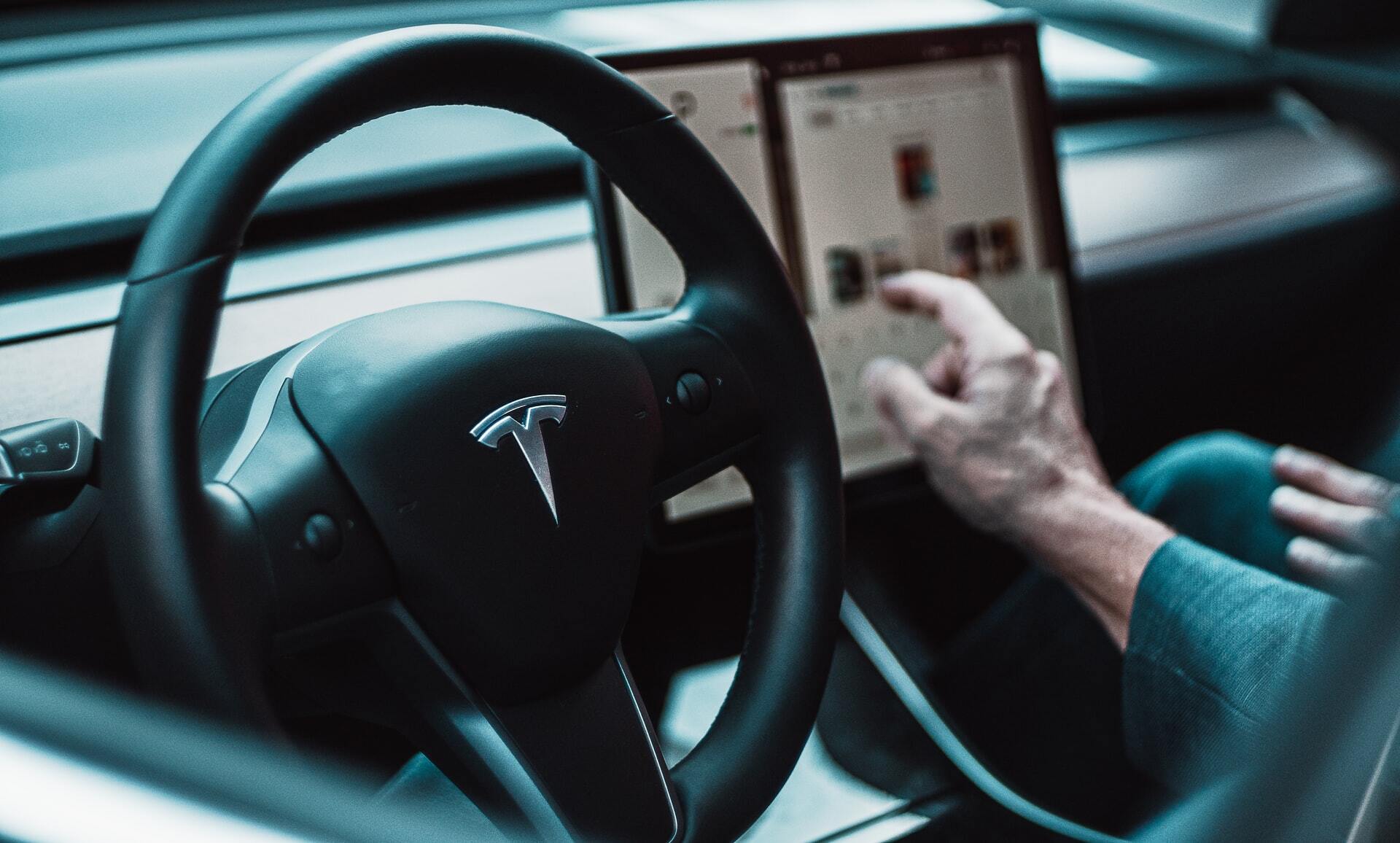
Tesla (TSLA) is making waves on Wall Street as it embarks on driverless testing in Austin, capturing the interest of analysts. Goldman Sachs has maintained a Neutral rating on the stock, setting a $400 price target while acknowledging both the potential and risks involved.
The automaker is venturing into robotaxi rides without safety monitors—a significant milestone in its autonomous technology journey. This move aligns with Tesla's goal of launching ride-hailing services across major cities soon.
Though the excitement is palpable, Goldman Sachs warns that competition may inhibit the profitability of these services. Despite the cautious outlook, investors are eagerly watching how quickly Tesla can scale its driverless operations.
As the market runs hot for AI-focused stocks, insiders suggest that while Tesla is innovative, other under-the-radar AI stocks may offer even greater upside potential. Overall, the driverless frontier opens thrilling opportunities not just for Tesla, but the entire AI landscape.

This Christmas, tracking Santa has become more magical than ever, thanks to cutting-edge AI technology! Families can now follow Santa’s sleigh in real-time with tools that transform the classic holiday tradition into an interactive experience. The NORAD Tracks Santa program features a stunning 3D globe that showcases Santa's journey, complete with personalized stories and fun activities for kids.
Meanwhile, Google’s Santa Tracker offers live updates, animations, and engaging mini-games. Both platforms ensure children stay entertained and informed from dusk till dawn.
As kids eagerly await the big arrival, parents can easily cast the trackers on their TVs and assist with voice commands, turning holiday anticipation into a family affair. With these innovative tools, the countdown to Christmas becomes an enchanting adventure filled with festive fun and safety tips for online interactions.
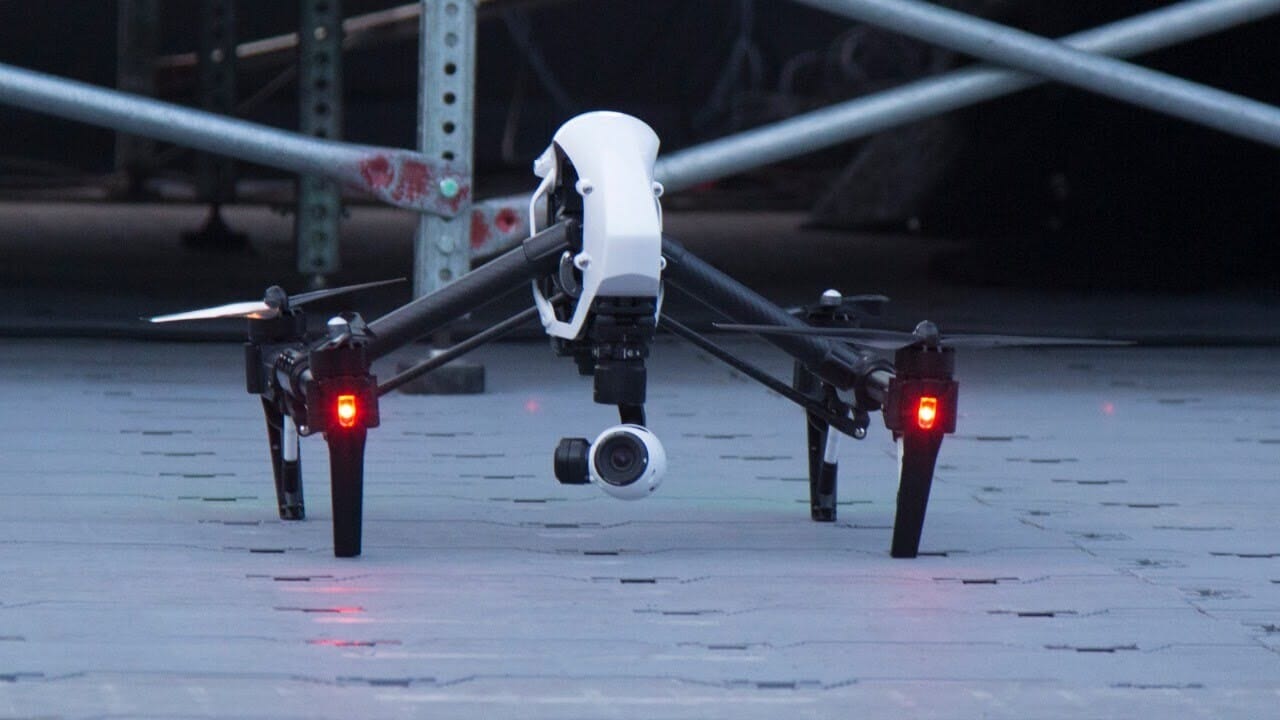
Starting this week, if you were hoping to add a shiny new DJI drone to your collection, think again! The Trump administration's Federal Communications Commission (FCC) has officially banned all new foreign-made drones in the U.S.
, citing national security concerns. The agency's concern? Drones posing threats from criminals and hostile foreign actors.
While current drone owners can keep using their devices, new options will be off-limits. This new rule hits hard at DJI, the leading player in the drone market, which expressed disappointment over the decision.
FCC chairman Brendan Carr praised the move as a step toward bolstering American drone manufacturing. As the U.
S. strives for drone dominance and seeks to control its supply chain, consumers will have to watch their skies for domestic alternatives, waving goodbye to popular foreign models.

A groundbreaking study led by Mass General Brigham and Dana-Farber Cancer Institute reveals a new AI tool that transforms the management of oropharyngeal cancer—an aggressive throat cancer. This innovative, noninvasive technology predicts the risk of cancer spread, allowing doctors to tailor treatment strategies based on individual patient needs.
With the ability to assess the presence of pathologic extranodal extension (ENE) using imaging data from CT scans, the AI tool offers a game-changing way to identify patients who may require aggressive therapies or, conversely, those who could benefit from less intensive treatment. Senior author Dr.
Benjamin Kann highlights the tool's potential to enhance risk stratification and improve patient outcomes. Published in the Journal of Clinical Oncology, this research marks a significant advancement in cancer care, promising more personalized and effective treatment paths for those battling oropharyngeal cancer.

In a thought-provoking study conducted by the University of Washington and the Toyota Research Institute, researchers uncovered alarming risks associated with in-car touchscreens. As modern vehicles increasingly replace traditional buttons with sleek touch interfaces, driver safety may be compromised.
The experiment involved 16 participants navigating a simulator while using touchscreens for tasks like navigation and music control. Results revealed a significant decline in driving performance—drivers strayed from their lanes and responded slower to changes on the road when distracted by the screens.
Interesting insights suggested that drivers instinctively reach for controls before looking, proving that completely operating a touchscreen without visual interaction is unrealistic. The researchers advocate for a redesign of touch interfaces with an emphasis on safety, as tighter regulations will be introduced by 2026.
This raises important questions about balancing technological innovation with driver attention and safety, making us rethink our reliance on these high-tech gadgets behind the wheel.