- TECHSWU
- Posts
- TechSwu
TechSwu

TECHSWU
November 24, 2025
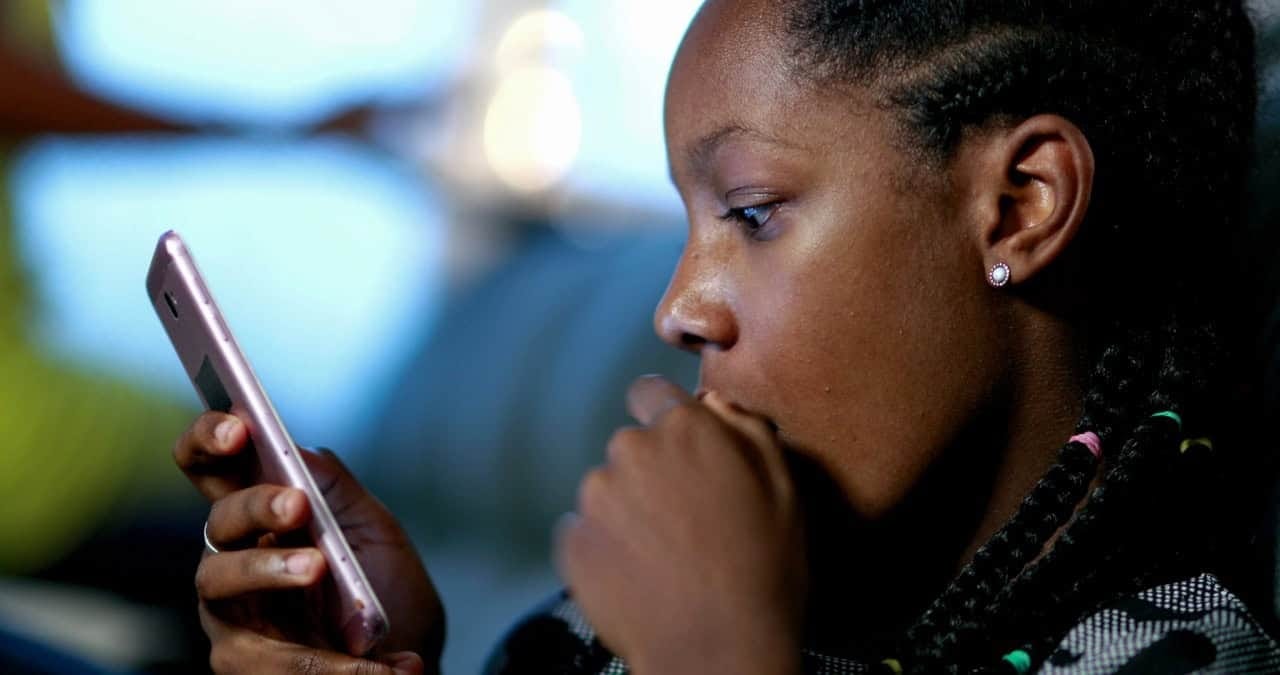
In an alarming wake-up call for parents, a tragic incident highlights the dangers of cyberextortion targeting teens. Mark Lyndersay recounts the heartbreaking story of a young person who took their life after being blackmailed for intimate photos.
Their extortionist posed as a trusted friend, manipulating the victim into a spiral of fear and desperation. Shiva Bissessar, who investigated the case, reveals the unsettling reality: many local children are facing similar threats, with reports of over a hundred contemplating suicide due to such online harassment.
While Meta took steps to combat this crisis by removing thousands of fraudulent accounts in Nigeria, the issue remains pervasive. With cyberbullying and sextortion on the rise—especially amplified during pandemic lockdowns—it's crucial for parents to engage openly with their children about internet safety.
Bissessar stresses the need for an environment where kids can discuss their mistakes without fear of judgment, enabling adults to act decisively against these predatory behaviors. It's time for families to understand who their children are talking to online and empower them to protect themselves.

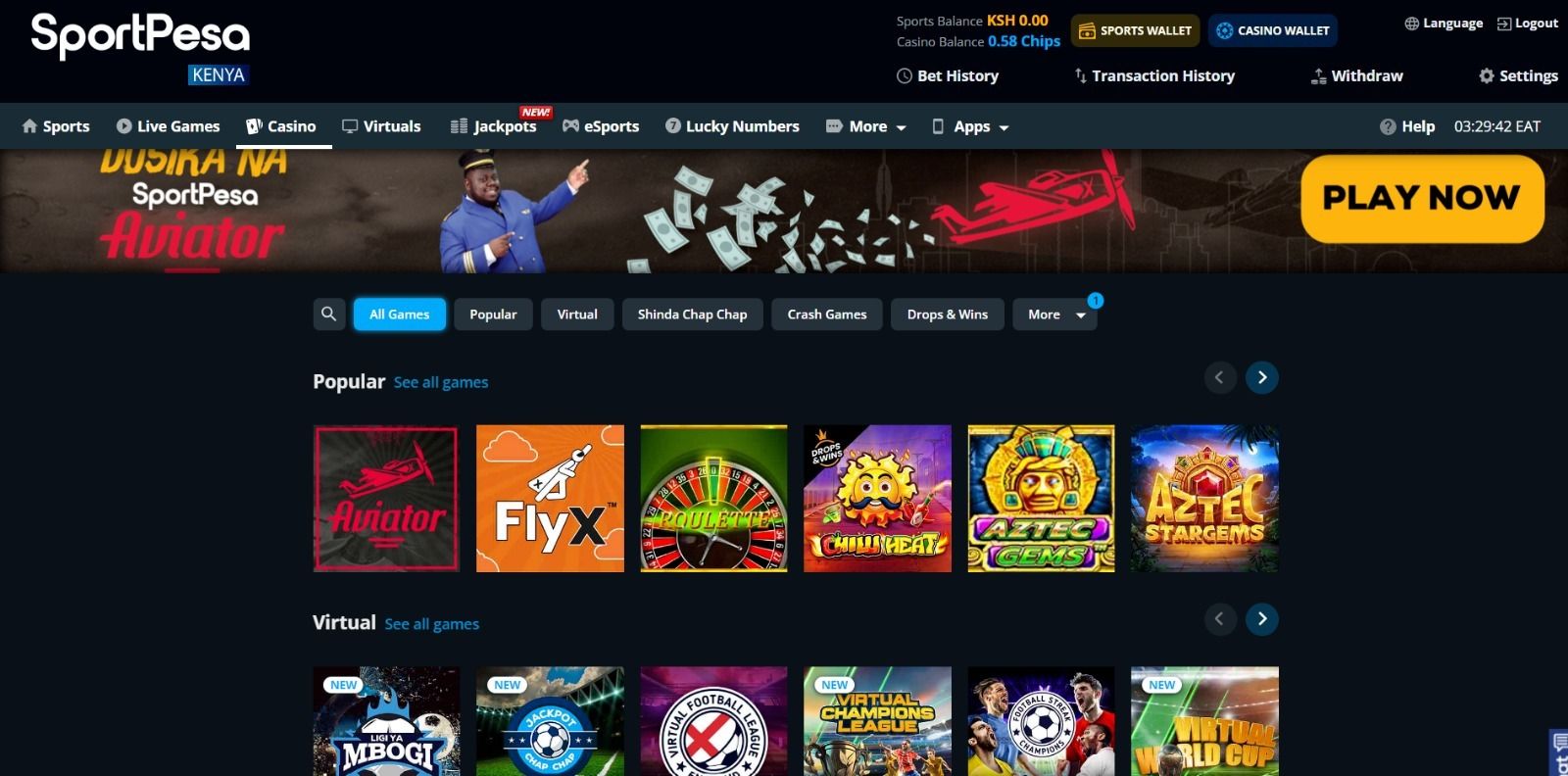
SportPesa Kenya is shaking up the betting scene with the launch of its pioneering USSD casino, a game-changer for gambling enthusiasts across the nation. Players can now dive into casino games without the need for data, smartphones, or any of the usual roadblocks that limit access.
This innovation capitalizes on Kenya's mobile landscape by employing USSD technology, which is trusted and widely used for banking and transactions.
With just a simple dial of *790#, players can start their gaming journey in seconds—no app downloads or connection issues.
This user-friendly system caters to everyone, from urban players on advanced devices to those in rural areas using basic phones. The USSD casino promotes inclusivity, empowering millions of Kenyans to participate in gaming without financial strains related to data usage.
SportPesa is setting new standards in the industry, redefining digital gaming to foster accessibility and transparency. This is not just about betting; it’s about creating a future where every Kenyan can play, anytime, anywhere—effectively a new era in digital entertainment.
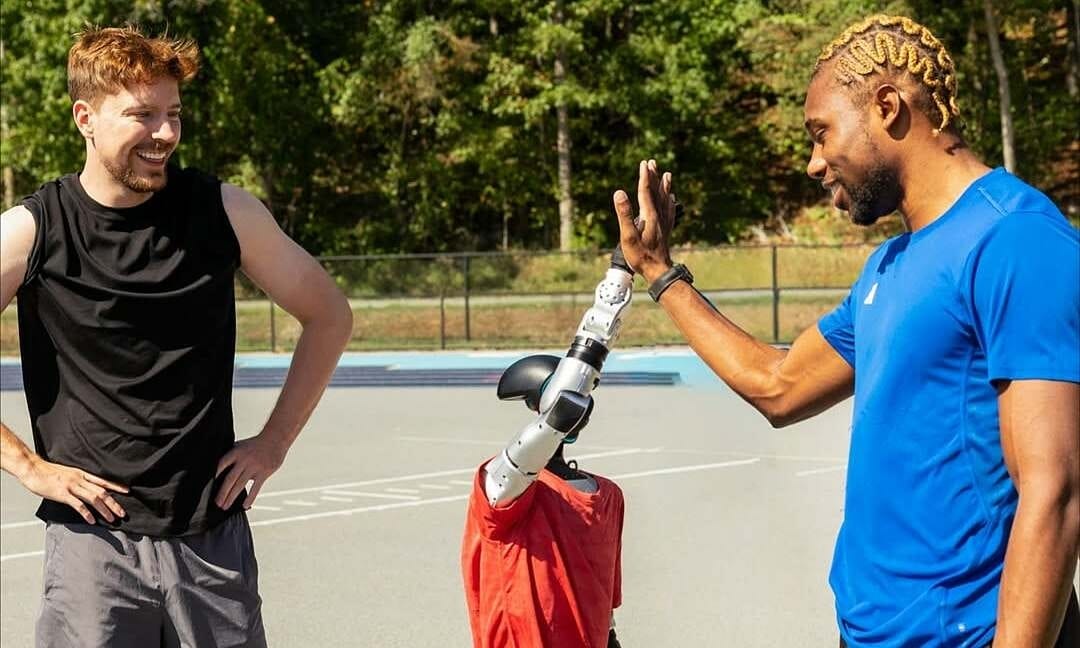
In a thrilling competition, YouTube sensation MrBeast pitted elite athletes against advanced robots to see if machines could outdo humans in various challenges. The video, titled "World's Fastest Man Vs Robot!", showcased seven athletes representing humanity, including world-record-holders and sports legends, as they faced robotic counterparts equipped with jaw-dropping abilities.
The contest kicked off with Thor Bjornsson, the world’s strongest man, battling a robot with 50 times the strength of an average human. After nail-biting moments, Team Human emerged victorious, thanks in part to Eric Sim, a former MLB player, who hit a home run against a blazing-fast robot pitcher.
As the contest progressed, robots claimed some victories, including a precision showdown in basketball and a golf challenge where Robo-T showcased impressive accuracy. However, in a thrilling finale, sprinter Noah Lyles outpaced three robotic competitors, securing a 4-3 win for Team Human.
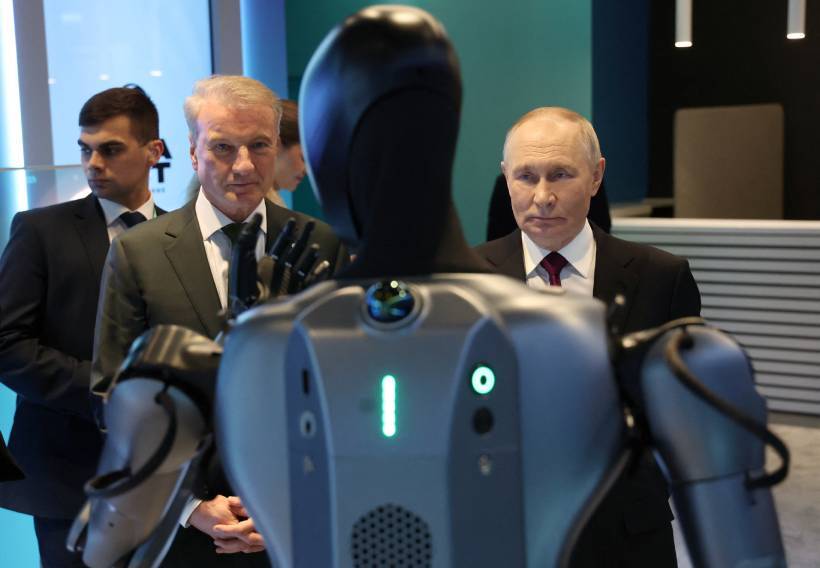
In a bold assertion, Russia is positioning artificial intelligence (AI) as a new form of geopolitical power, comparable to nuclear capabilities. Sberbank's First Deputy CEO, Alexander Vedyakhin, outlined this viewpoint at the AI Journey event in Moscow, emphasizing that nations able to develop their own large language models will dominate the global stage in the 21st century.
He argued that reliance on domestic AI is crucial for areas like public services and healthcare, echoing President Vladimir Putin’s call for technological sovereignty.
As Russia strives to compete with AI giants from the U.
S. and China, it faces challenges like sanctions and limited computing resources.
Still, the nation aims to expand its AI capabilities, pushing for self-sufficiency despite these setbacks. This framing of AI signifies a growing divide in international power dynamics, with Moscow’s commitment underscoring AI’s intertwined nature with national security and economic strategies.
As a response to Western pressures, expect Russia to further pursue domestic AI development while navigating the complexities of global technology competition.
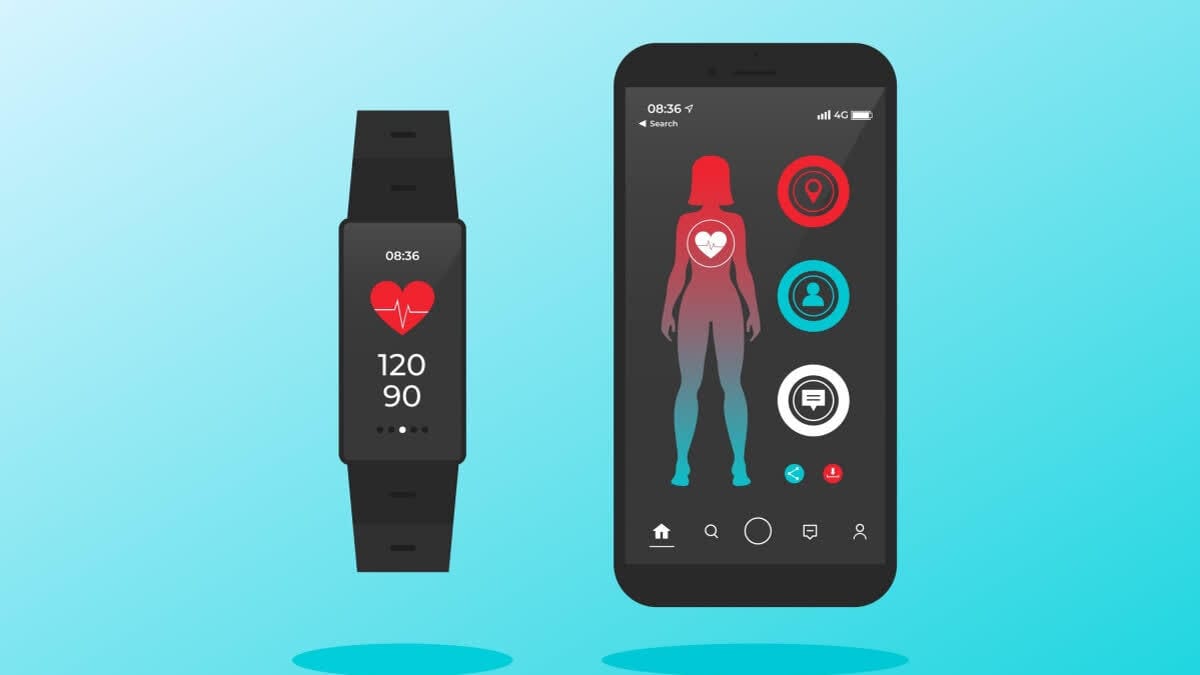
Can wearable technology and AI truly be game-changers in predicting or preventing sudden cardiac events, or is it merely hype? According to Dr. Jyoti Kusnur, a consulting interventional cardiologist, the landscape is evolving, and initial findings are promising.
The integration of wearables like smartwatches and pulse oximeters is already showcasing transformational effects in healthcare.
For instance, during the pandemic, a family's pulse oximeter alerted them to dangerously low heart rates, leading to timely intervention for a serious condition.
In another scenario, a woman’s smartwatch recorded an irregular heart rhythm during an episode of palpitations, pinpointing her cardiac arrhythmia when hospital tests showed nothing abnormal.
While these devices aren't foolproof—false alarms and reliability issues persist—their ability to capture vital data could someday overhaul cardiac care.
Dr. Kusnur advocates for a future where everyday wearables act as early-warning systems, helping people detect potential heart issues before they escalate.
The hype is rooted in real promise; wearable tech might just redefine heart health.
A serious cyberattack targeting SitusAMC, a key vendor for major U.S.
banks like JPMorgan Chase, Citibank, and Morgan Stanley, has put sensitive customer data at risk. Confirmed on November 12, the breach is alarming given that it potentially exposed critical personal information tied to residential loan mortgages.
The FBI is involved in monitoring the situation, but so far, no direct impact on banking services has been identified. SitusAMC, which processes large volumes of loan applications and holds sensitive details like Social Security numbers, is actively investigating the breach and pledging to keep affected banks updated.
Despite the gravity of the situation, bank spokespeople clarify that no direct hacks occurred at their institutions. As investigations continue, the focus remains on safeguarding customer data and understanding the full scope of this concerning cyber incident.
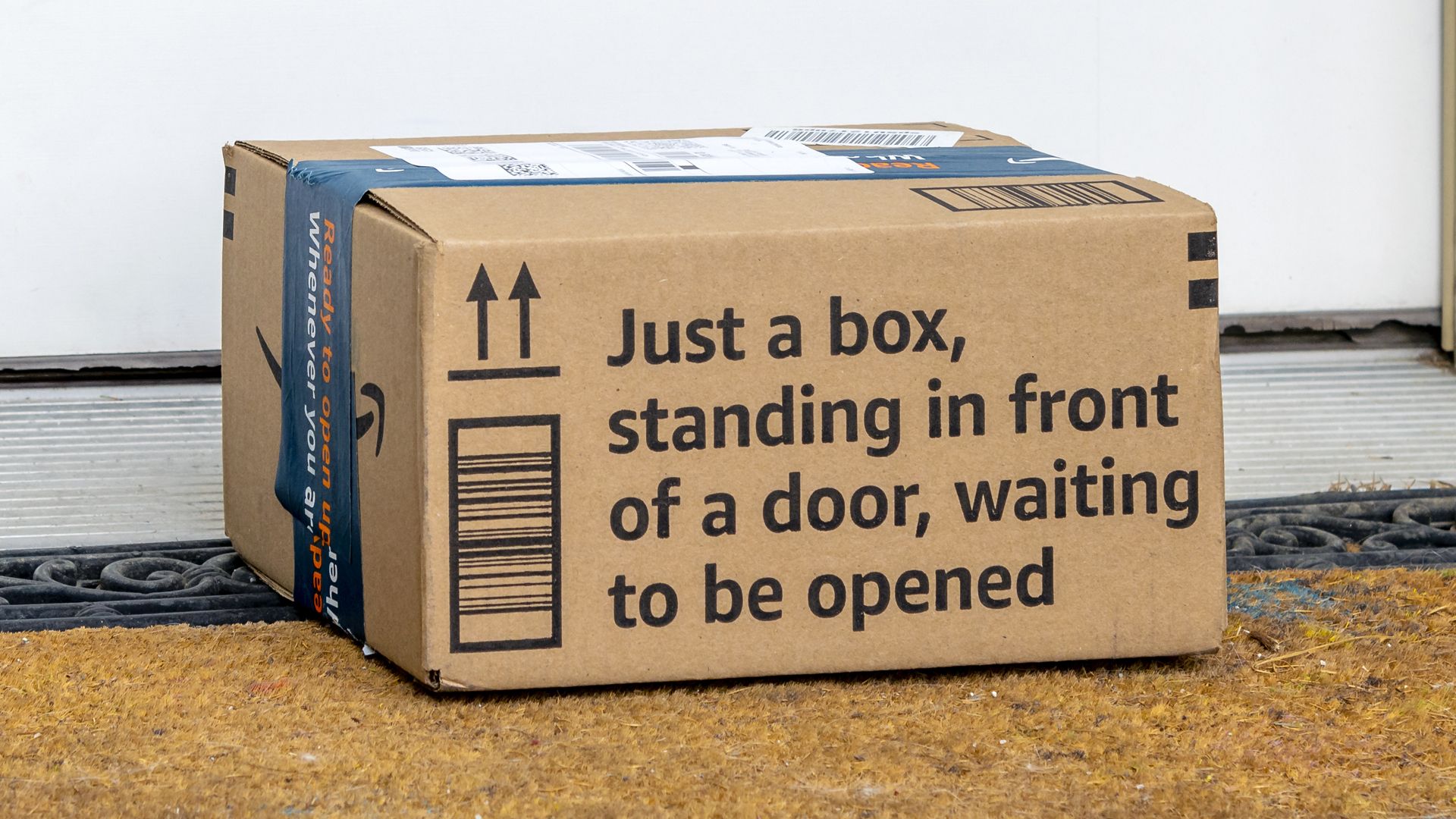
As the holiday shopping season kicks off, Virgin Media O2 is warning consumers to be on high alert for a surge in scam text messages. These tricky texts often claim there are issues with your deliveries, luring you in with urgent demands for payment or action.
Crooks are capitalizing on the busy shopping sprees of Black Friday and Christmas, knowing many are monitoring multiple package deliveries. To keep your cash and personal information safe, look out for suspicious links, especially those shortened with services like bit.
ly, or texts that come from unfamiliar numbers.
Virgin Media O2 advises keeping a close eye on your orders and verifying any texts before clicking on links.
Remember, legitimate companies won’t rush you for payments via text! If you receive a suspicious message, report it to 7726, helping to prevent future scams and protect others this holiday season.