- TECHSWU
- Posts
- TechSwu
TechSwu

TECHSWU
December 12, 2025


Exciting news from the world of entertainment and technology! Disney has announced a groundbreaking collaboration with OpenAI, investing a whopping $1 billion to enhance its storytelling capabilities through artificial intelligence. This partnership will allow users of the AI video generator, Sora, to create captivating short films featuring beloved characters from iconic franchises like "Star Wars" and Marvel.
Disney CEO Bob Iger emphasized the importance of responsibly using AI, ensuring that creativity is protected while reaching new audiences. With over 200 animated characters available, Sora promises to bring fan fantasies to life, all while incorporating safeguards to ensure the content remains respectful and safe.
Set to launch early next year, this venture signifies a future where creativity and innovation go hand in hand, demonstrating how traditional storytellers and AI can collaborate for a new era of entertainment.

Elon Musk's dream of sending humans to Mars may face turbulence as SpaceX gears up for a potential initial public offering in 2026. Analysts suggest that a staggering $1 trillion valuation could shift the company’s focus from ambitious space exploration to more immediate revenue-generating ventures, like Starlink.
While Musk's Mars ambition has been his lifelong goal, the needs of future investors might prioritize profits over pioneering projects. With a public listing on the horizon, the pressure mounts for SpaceX to demonstrate robust returns, especially following any rocket failures.
Despite the risks, some experts believe investors may be willing to embrace the high-stakes nature of the space industry, providing they see substantial revenue from existing operations. As SpaceX plots its journey toward an IPO while trying to keep Musk’s Martian aspirations afloat, the future of space exploration hangs tantalizingly in the balance.
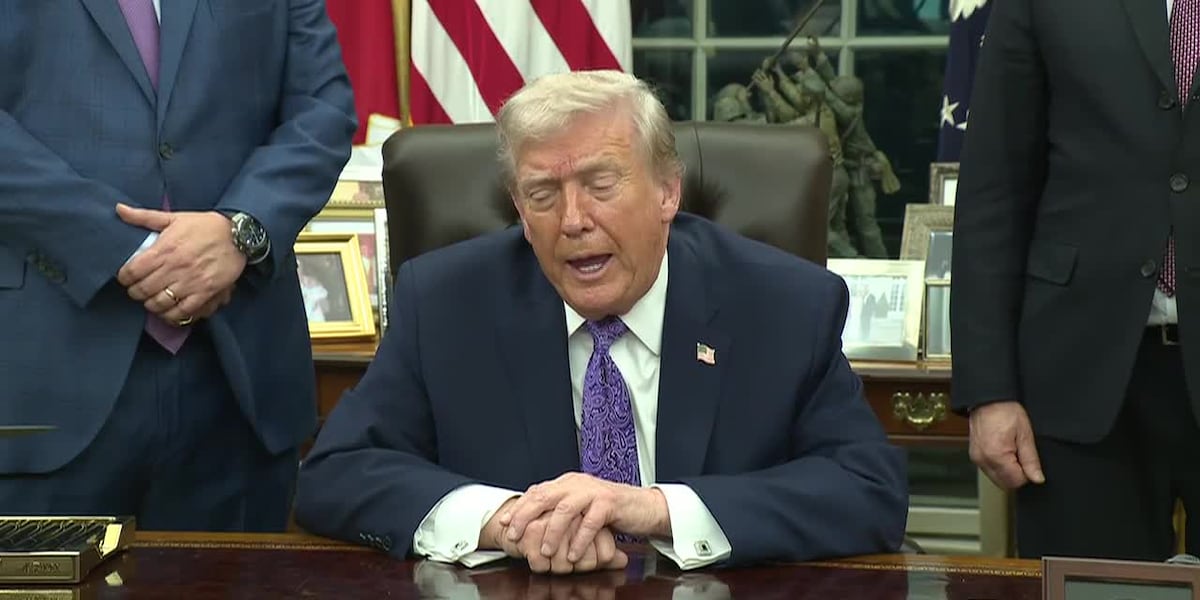
In a bold move, President Donald Trump has signed an executive order aimed at preventing states from regulating artificial intelligence. This significant step signals his administration's approach to AI technology, emphasizing a unified federal standard over localized regulations.
With the rapid advancements in AI reshaping various industries, Trump’s order seeks to streamline development and deployment while minimizing potential bureaucratic hurdles. The decision comes as a response to growing concerns about AI's impact on jobs, privacy, and ethics.
As the conversation around artificial intelligence continues to intensify, this directive will likely stir debate among lawmakers, tech companies, and the public on the best path forward. As the landscape of AI evolves, how this executive order will resonate across the nation remains to be seen.

Dive into the captivating journey of the BMW i3 and i8, two vehicles that marked a significant shift for the iconic brand. Although they were more about efficiency and mobility than the traditional 'Ultimate Driving Machine' ethos, both models showcased cutting-edge technology and innovative materials.
In the latest episode of auto journalist Jason Cammisa's "Revelations" series, he delves into their development and reception, highlighting the controversy surrounding the urban-focused i3 and its less favorable comparisons to more affordable competitors. While opinions differ on the i3’s driving experience, Cammisa and enthusiasts alike celebrate the exhilarating performance of the i8, a true driving delight with its sleek aesthetic and engaging dynamics.
This exploration not only revisits the fascinating history of BMW’s electric ventures but also invites viewers to reflect on the evolving landscape of automotive design.

In a bold move, Luxshare Precision is setting its sights on the burgeoning humanoid robotics market. Recently, the company's AI Research Institute Dean, Tian Yuming, announced plans to ship 3,000 humanoid robots this year, marking a significant shift from its roots in consumer electronics.
As Luxshare aims to leverage its precision manufacturing prowess, founder Wang Laichun—who rose from migrant worker to a celebrated business leader—embodies this transformational journey. Despite optimistic market projections, challenges remain.
The humanoid robot industry faces hurdles in mass production, stability, and environmental adaptability, with fierce competition from over 150 players in China. While the potential for growth is vast—Goldman Sachs estimates the market could hit $154 billion by 2035—real profitability still seems a distant goal.
Luxshare’s ability to navigate this evolving landscape will be crucial as it seeks sustainable business models in an industry ripe for innovation.

Virginia Tech's Zeta Beta Tau alumni are making waves in brain cancer research with a generous fellowship gift that supports doctoral student Nicole DeFoor. Focused on glioblastoma, the most aggressive form of brain cancer, DeFoor is exploring how specific cellular signals, particularly the CXCL12 and its receptor CXCR4, facilitate tumor invasion.
Under the guidance of Jennifer Munson at the Fralin Biomedical Research Institute, her research examines the effects of interstitial fluid flow on tumor behavior, promising insights that could extend beyond glioblastoma treatment. Passionate about making science accessible, DeFoor not only advances her research but also inspires future scientists through outreach initiatives.
This fellowship, funded by Zeta Beta Tau alumni honoring their friends and family, embodies the fraternity's commitment to service and education. With this backing, DeFoor is poised to contribute significantly to the scientific community and enhance public trust in research.

OpenAI has just launched GPT-5.2, the latest and most advanced model in the ChatGPT series, starting December 11.
This rollout marks the second major update since the introduction of GPT-5 on August 7. Designed for professional knowledge work, GPT-5.
2 features a series of models, including Instant, Thinking, and Pro versions, boasting significant improvements over its predecessors. Initial access is primarily for paid users on various subscription plans, but eventually, all ChatGPT users will gain access, albeit with some limitations for free accounts.
OpenAI’s benchmarks highlight GPT-5.2’s enhanced performance and reduced tendency to hallucinate, making it a more reliable AI assistant.