- TECHSWU
- Posts
- TechSwu
TechSwu
Robot turtles, Pixel's big move, AI bars in Beijing, and a Mac security alert you can't ignore.

TECHSWU
August 19, 2026

This teen built a robot turtle that hunts microplastics with AI
Meet the teenage innovator who's turning heads in the fight against ocean pollution. A 16-year-old Canadian student has built an autonomous, AI-powered robot shaped like a turtle that can detect microplastics in water, and it's as clever as it sounds. Instead of relying on slow, expensive lab testing, this young inventor combined 3D holographic imaging with artificial intelligence to create a device that scans water in real time, spotting tiny plastic particles that are notoriously hard to catch. The turtle design isn't just for fun either. It allows the robot to move naturally through aquatic environments, mimicking the very creatures most affected by plastic pollution, all while quietly collecting data beneath the surface. What makes this project stand out is how it tackles a massive environmental problem with surprisingly accessible technology. Microplastics have become one of the most pressing pollution issues worldwide, contaminating oceans, rivers, and even drinking water. Traditional detection methods are often costly and time-consuming, making large-scale monitoring difficult. This student's approach offers a faster, potentially more affordable alternative, using AI to identify and analyze particles almost instantly. It's also a powerful reminder that groundbreaking innovation isn't limited to big labs or research institutions. A curious teenager with the right blend of engineering skills, environmental awareness, and creativity can build something genuinely impactful. As concerns about plastic pollution continue to grow, inventions like this robotic turtle show how emerging tech, and emerging talent, could play a real role in helping scientists monitor and eventually address the problem. Keep an eye on this one; it might just be the beginning of something bigger.
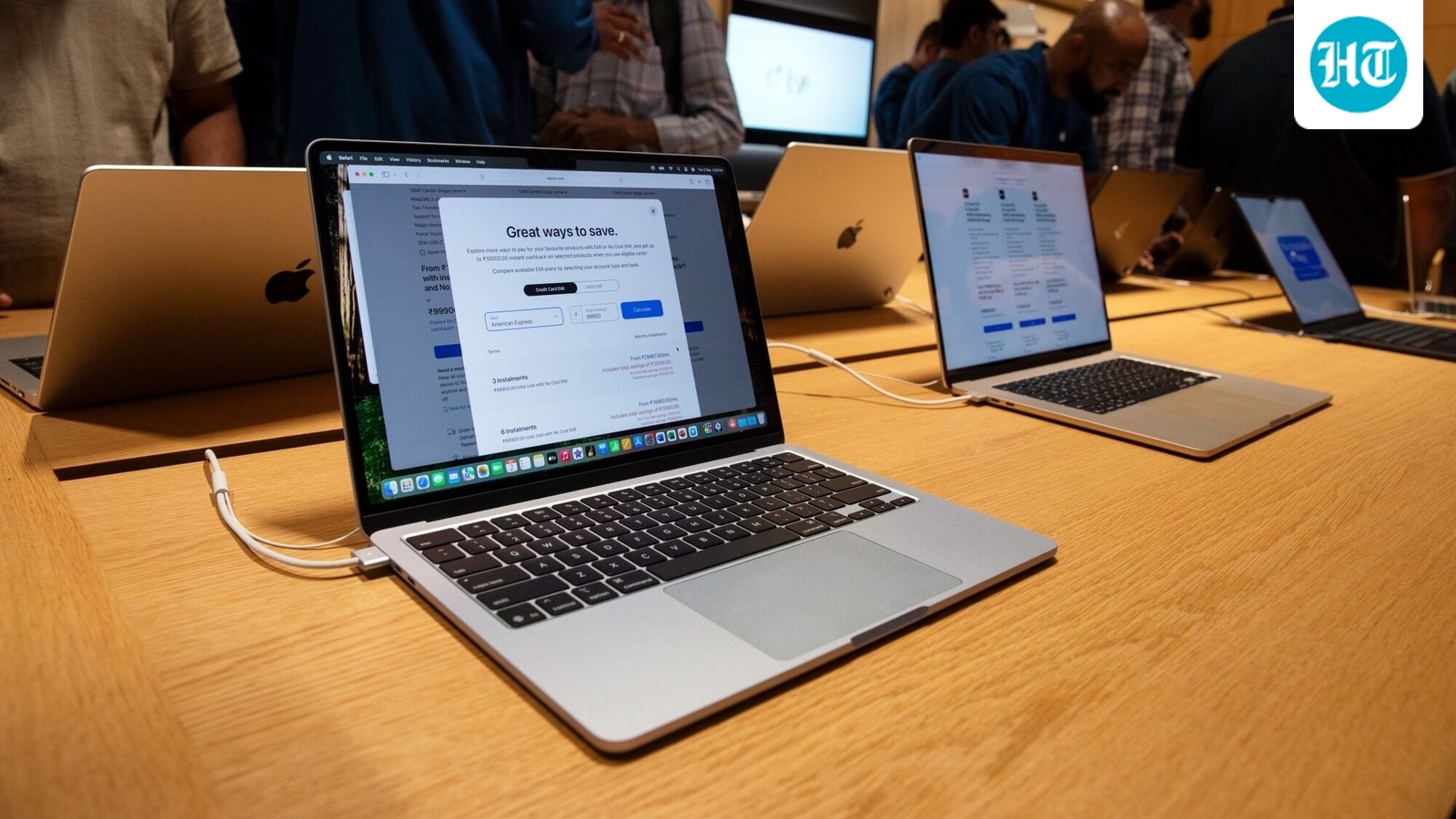
Your Mac's Screen Sharing Has a Hacker Problem—Update Now
Heads up, Mac users—there's a security scare worth your attention. Hackers have found a way to exploit a flaw in Mac's Screen Sharing feature, using it as a sneaky backdoor to access systems without permission. This isn't just a theoretical risk; it's actively being used out in the wild, which is exactly why Apple jumped into action fast. The tech giant has already rolled out fixes to patch the vulnerability, but they're also urging users to take extra precautions in the meantime. Their advice? If you're not actively using Screen Sharing, consider disabling it altogether until you've updated your system. It's a simple step that could save you from becoming the next target. Bottom line: don't sit on this one. Check for the latest Apple updates, install them right away, and review your Screen Sharing settings today. A few minutes of caution now could spare you a major headache later. Stay safe out there, TechSwu readers.

Marshall Stockwell III: Style Meets Serious Sound, But Does It Deliver
Marshall just dropped the Stockwell III, and it's punching way above its weight class. This little speaker somehow manages to look luxurious while packing serious power into a compact frame, proving once again that good things really do come in small packages. What makes the Stockwell III stand out is that rare combo of style and substance. It's got that classic Marshall aesthetic that screams premium without the premium price tag, and the sound quality apparently matches the sleek exterior. For a portable speaker, the audio output is genuinely impressive, delivering a fuller, richer sound than you'd expect from something this size. Whether you're hosting a backyard hangout or just want quality tunes on the go, the Stockwell III seems built to deliver both aesthetics and audio performance in equal measure. Marshall has clearly leaned into their signature design language while pushing the tech forward, giving portable speaker fans another reason to take notice this season.


Beijing's AGI Bar pours pints with a side of AI hype
Move over craft cocktails—Beijing's hottest new hangout spot serves up artificial intelligence with your drinks. Song De opened AGI Bar last year in Zhongguancun, Haidian district's bustling tech hub, naming it after the concept of artificial general intelligence, the point where AI systems might outsmart humans entirely. This isn't your typical watering hole. As China's AI enthusiasm reaches fever pitch, the bar has become a magnet for programmers, entrepreneurs, and curious tech watchers eager to swap ideas over drinks. It's part networking event, part casual meetup, and part window into how deeply AI has embedded itself into everyday culture and conversation across the country. The concept taps into something bigger than just good marketing. It reflects a growing appetite for spaces where technology isn't confined to labs or boardrooms, but becomes a shared social experience. Zhongguancun, often dubbed China's Silicon Valley, seems like the perfect backdrop for this experiment in blending innovation with nightlife.
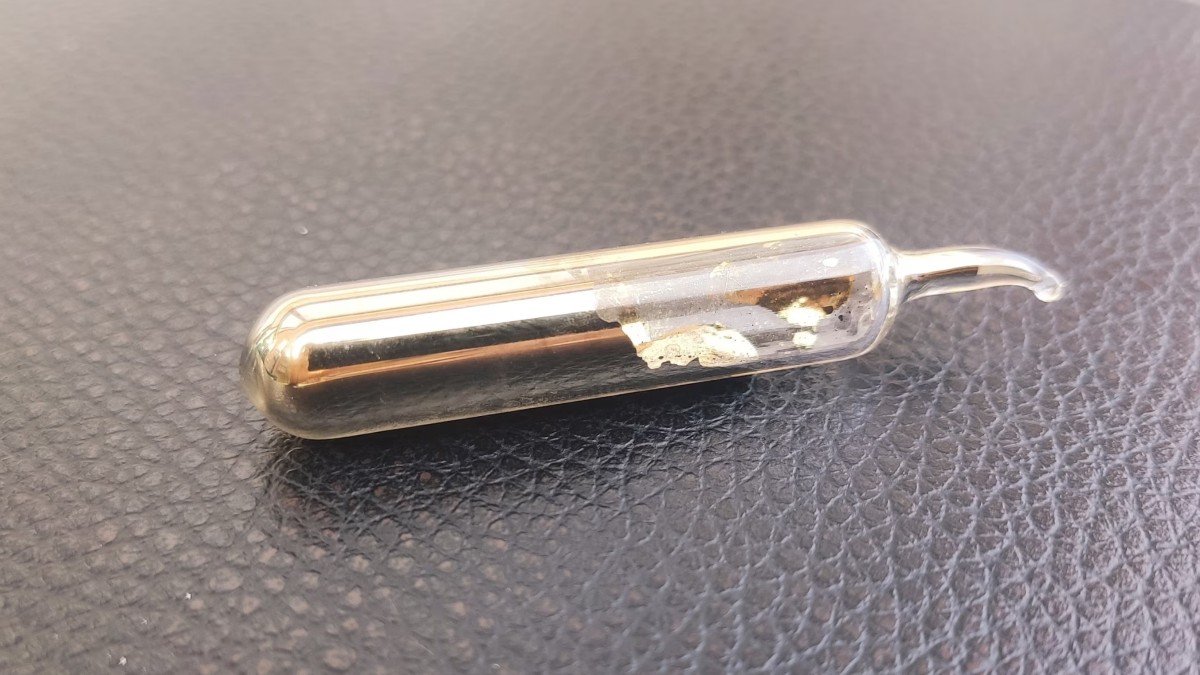
America's Only Cesium Project Just Inched Closer to Reality
Here's a mineral you've probably never thought about, but the Pentagon definitely has: cesium. This rare, silvery metal powers everything from advanced defense electronics to next-gen tech, yet here's the kicker—the United States imports 100% of what it needs. Zero domestic production. In an era obsessed with supply chain security, that's a glaring vulnerability. Enter Power Metals, which is developing what it calls North America's only cesium project. The timing couldn't be more strategic. As America doubles down on defense capabilities and reshoring critical technologies, the country is discovering it can't build its future on minerals sourced entirely from overseas. This isn't just a mining story—it's a national security story. Cesium sits at that fascinating intersection where geology meets geopolitics, and where a single company's project could suddenly matter a lot more to Washington than anyone expected. Worth watching how this space evolves as critical mineral independence becomes less buzzword, more urgent priority.

Google Paid $10M for Dead Spirit Airlines Data—But Is It Really Anonymous
Here's a plot twist straight out of Silicon Valley: Google is reportedly dropping $10 million to get its hands on data from a now-defunct airline. Yes, you read that right—Spirit Airlines may be gone, but its data lives on, and Google wants it. A judge is set to weigh in on the sale this Wednesday morning, following Reuters' report on Monday that first put a price tag on the deal. Here's the kicker though—everything about this transaction hinges on a single reassuring word: "deidentified." That's the term being used to describe how the data has been stripped of anything that could tie it back to actual passengers, supposedly easing privacy concerns. But is "deidentified" really enough to put worries to rest? As tech giants continue hunting for data wherever they can find it—even from companies that no longer exist—questions about privacy, transparency, and what "anonymous" really means are more relevant than ever.

Europe Says Yes to Robotaxis—Chinese Firms Are Ready to Roll
Europe just rolled out the welcome mat for self-driving cars, and Chinese autonomous vehicle companies are ready to seize the moment. According to Pony AI's CEO, the continent's growing openness to self-driving technology is creating fresh opportunities for Chinese firms looking to expand their robotaxi fleets beyond domestic borders. This shift matters because it signals a broader global acceptance of autonomous driving, moving past the skepticism that once slowed adoption. For companies like Pony AI, Europe represents fertile ground: mature infrastructure, tech-savvy consumers, and regulators increasingly willing to greenlight pilot programs and commercial deployments. The timing couldn't be better. As competition heats up in China's crowded autonomous vehicle market, international expansion offers a natural next step for growth. Europe's embrace of this technology could pave the way for Chinese firms to test their systems in new environments, build partnerships, and establish a foothold in markets outside Asia. Keep an eye on this space, because the race to scale self-driving fleets globally is just getting started.

Google's Pixel Exodus: China Out, India and Vietnam In by 2027
Big news for hardware fans: Google is reportedly planning to wind down its manufacturing presence in China by 2027, marking a significant shift in how Pixel devices get made. According to recent reports, the tech giant intends to relocate all production of its Pixel phones, watches, and earbuds to India and Vietnam instead. This move fits into a broader trend we've been seeing across the tech industry, as companies look to diversify their supply chains and reduce reliance on a single country for manufacturing. India and Vietnam have increasingly become go-to destinations for electronics assembly, offering competitive costs alongside growing infrastructure and expertise. For Google, this transition could mean more resilient production lines and potentially fewer disruptions down the road. It's also a signal that the company is thinking long-term about where and how it builds its hardware lineup. While 2027 might feel a ways off, this kind of strategic planning shows Google is serious about reshaping its manufacturing footprint for the future.
Forward this newsletter to a colleague, friend, or fellow tech obsessive who'd appreciate a robot turtle hunting microplastics as much as they'd appreciate a geopolitical mineral thriller. Growing this community means more sharp takes, more early scoops, and more excuses to talk about AI bars over actual bars.
Got thoughts on Google's manufacturing pivot, Chinese robotaxis eyeing Europe, or whether "deidentified" data really means what tech companies say it means? Hit reply and tell us. We read every response, and your take might just shape a future issue.
And if you're a Mac user reading this on an unpatched system... seriously, go update first. We'll wait.
Until next time — stay curious, stay updated, and stay a step ahead.
The TechSwu Te