- TECHSWU
- Posts
- TechSwu
TechSwu

TECHSWU
March 04, 2026


The rise of advanced Artificial Intelligence is reshaping national defense, igniting a fierce showdown between tech companies like Anthropic and the Pentagon. As military powers scramble to incorporate AI into their strategies, Anthropic, renowned for its commitment to AI safety, finds itself grappling with moral dilemmas and the pressing needs of national security.
This dynamic signals a significant shift in modern warfare, where decisions made today regarding AI's military applications could alter the global balance of power for generations. The ethical concerns surrounding autonomous weapons and AI-driven intelligence are intensifying, with tech companies facing internal backlash over military partnerships.
As the Pentagon forges closer ties with Silicon Valley, the once-clear boundary between civilian technology and military use is rapidly vanishing. This unprecedented arms race demands immediate regulatory action, as the stakes in engineering the future of conflict have never been higher.

The AI revolution is causing an unexpected ripple effect in the tech world—leading to significant memory chip shortages that are driving up prices for gadgets everywhere! South Korea's stock market is booming, fueled largely by AI demand, with titans Samsung and SK Hynix seeing stock surges of 225% and 324% respectively over the past year. This skyrocketing demand for dynamic random-access memory (DRAM) chips and high-bandwidth memory (HBM) is outpacing supply by over 10%, causing prices of popular devices like smartphones and PCs to spike.
With projections indicating that memory costs could rise to 15% of total device prices, experts are warning consumers to act fast before purchasing. As tech giants like Apple and Tesla voice concerns about this ongoing crisis, it seems that the AI boom might be great news for chipmakers but challenging for everyday consumers! Welcome to "RAMmageddon.


A recent article reveals that AI agents struggle to effectively replace white-collar workers, receiving "failing grades" in a study by Mercor. Despite hype from tech leaders predicting AI would revolutionize the workforce, the reality is stark: these models performed poorly on tasks across sectors like law and finance, often delivering inaccurate or no answers.
The author, Joe Procopio, argues that the complex nature of knowledge work—rooted in human experience, adaptability, and contextual understanding—remains beyond AI's grasp. He stresses that while AI can assist, it cannot replace the critical human element in knowledge-driven industries.
The piece challenges the notion of AI as a direct substitute for skilled professionals, advocating instead for an “AI-in-the-loop” approach that recognizes the value of human insight and experience in navigating the ever-evolving landscape of work.
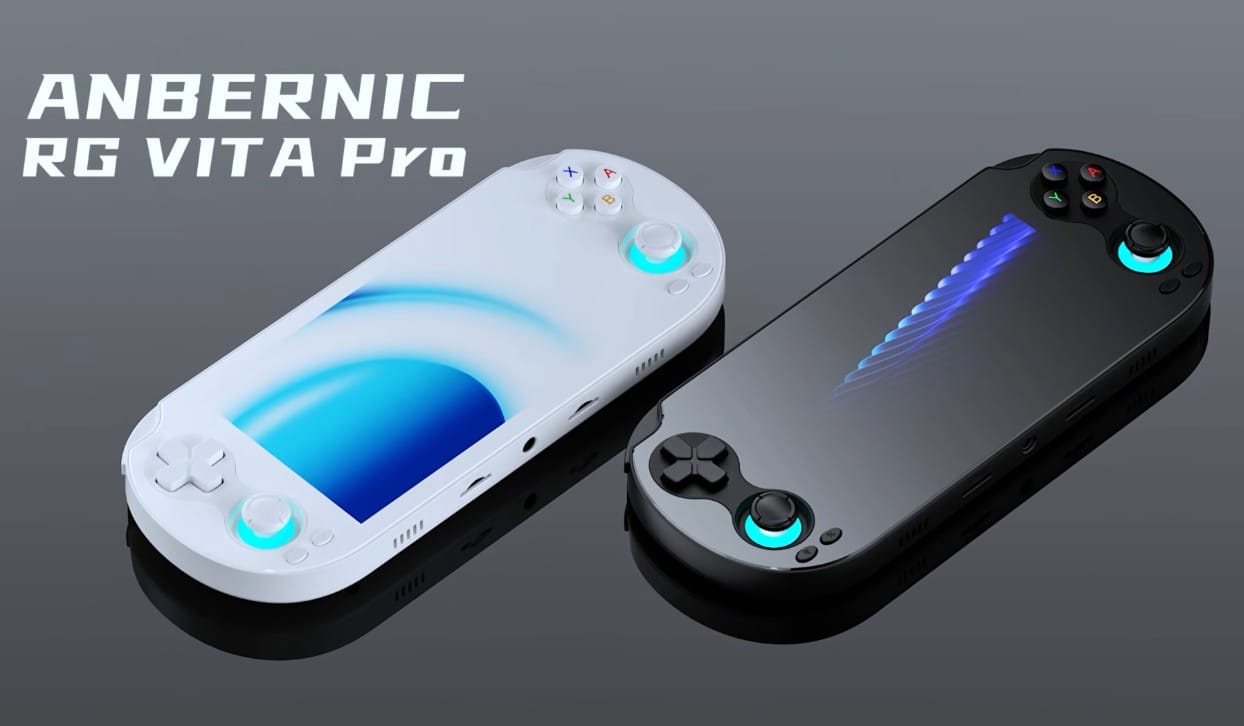
Get ready for the Anbernic RG Vita Pro, the handheld gaming device that’s turning heads before its official release! A recently reuploaded video offers a tantalizing glimpse of its impressive capabilities. This dual-OS marvel runs on both Android 14 and a 64-bit Linux system, a significant upgrade from its predecessor.
Featuring a stunning 5.5-inch 1080p touchscreen, the RG Vita Pro showcases an array of games, including PS Vita classics like "Gravity Rush" and PS2 favorites like "Metal Gear Solid 2.
" But that’s not all—this powerhouse also emulates retro consoles, from Nintendo Wii to Sega Dreamcast, and even allows game streaming from your PC! With Wi-Fi 6, Bluetooth 5.0, and an impressive battery life, it’s poised to be a game-changer.

Exciting updates are rolling out with Google’s March Pixel Drop, enhancing both Pixel devices and the wider Android community. A standout feature is the revamped Find Hub, which now allows users to share real-time locations in Google Messages and even helps track luggage by collaborating with ten airlines.
For a more personalized touch, Android users can create unique Calling Cards that display a custom look in Phone by Google. The gaming and style world merges too, as Circle to Search makes it simpler to try on items virtually while shopping from social media.
Pixel users can also enjoy personalized AI-generated icons and the helpful Magic Cue for restaurant recommendations. Smartwatches gain new features, including alerts for misplaced phones and safety warnings for earthquakes.

Want to cheat death? Meta has just patented a groundbreaking AI model allowing your social media profile to live on after you’ve passed away. The technology, designed to simulate a deceased user's online presence using their past comments, likes, and posts, could keep their accounts buzzing with activity.
This intriguing concept raises profound questions about how we engage with mortality, with experts suggesting that resurrecting digital personas may hinder the natural grieving process. While Meta states it has no current plans to develop this technology, the patent hints at a future where digital echoes of ourselves could endlessly interact with loved ones.
Critics argue this could plunge grief into a loop of perpetual fantasy, contradicting the essential human experience of loss. Whether this innovation represents a new frontier in digital legacy or a troubling step toward denying death remains to be seen.

In a compelling commentary, experts urge a swift implementation of anti-drunken driving technology, emphasizing that the solutions are already at our fingertips. Advanced impairment detection systems can be seamlessly integrated into existing vehicle monitoring setups with just a software update, adding minimal costs—under a few dollars per car.
The delay in adopting these affordable technologies is costing lives and perpetuating a cycle of preventable tragedies on our roads. As the automotive industry continues to innovate, it’s crucial to prioritize safety measures that could significantly reduce incidents of impaired driving.
The time to act is now; let’s not allow affordability excuses to hinder progress and protect our communities.